



Cape Coral Landscaping Ideas for Hurricane Season: Wind-Resistant Designs That Protect Your Property
As hurricane season approaches in Southwest Florida, Cape Coral homeowners face a unique challenge: maintaining beautiful outdoor spaces while preparing for powerful storms. The good news is that smart landscaping can serve dual purposes—enhancing curb appeal while significantly increasing your property’s resilience against high winds, heavy rain, and flooding.
This comprehensive guide offers specialized Cape Coral landscaping ideas focused on hurricane preparedness that many local companies overlook. From strategic plant selection to structural design principles, these expert recommendations will help you create a landscape that not only survives but thrives during storm season.
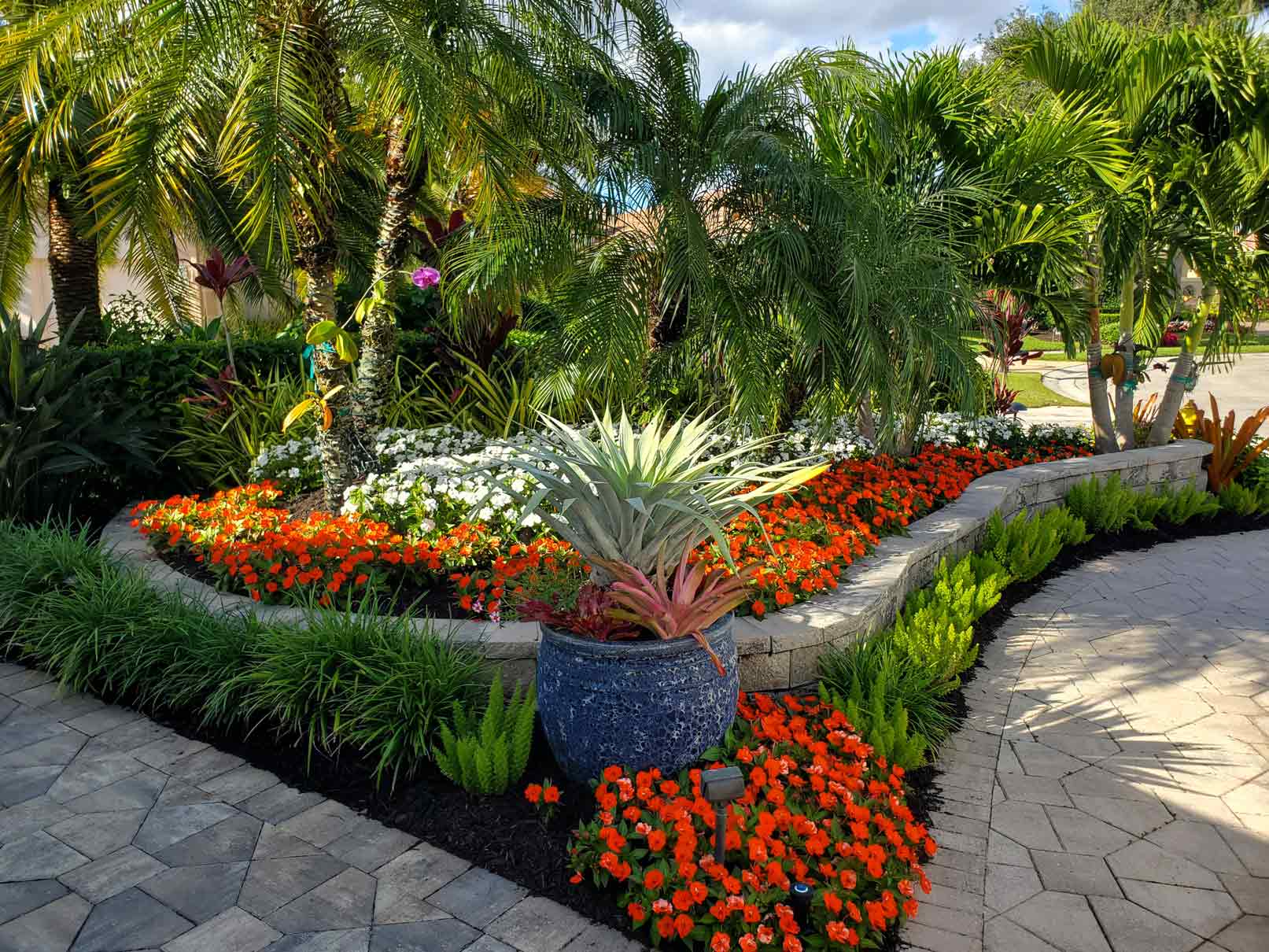
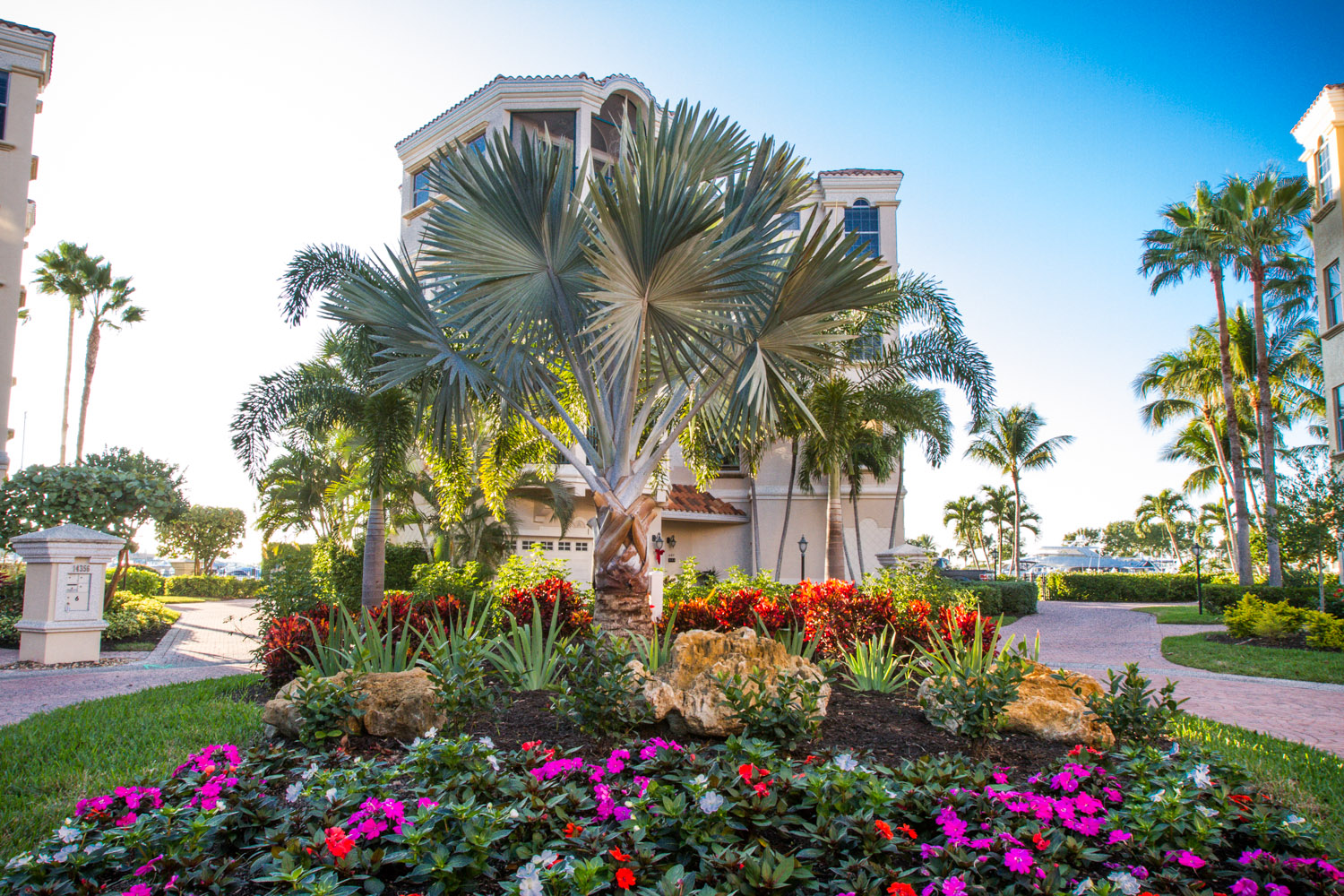
Image Grid 1


Understanding Hurricane Risks in Cape Coral
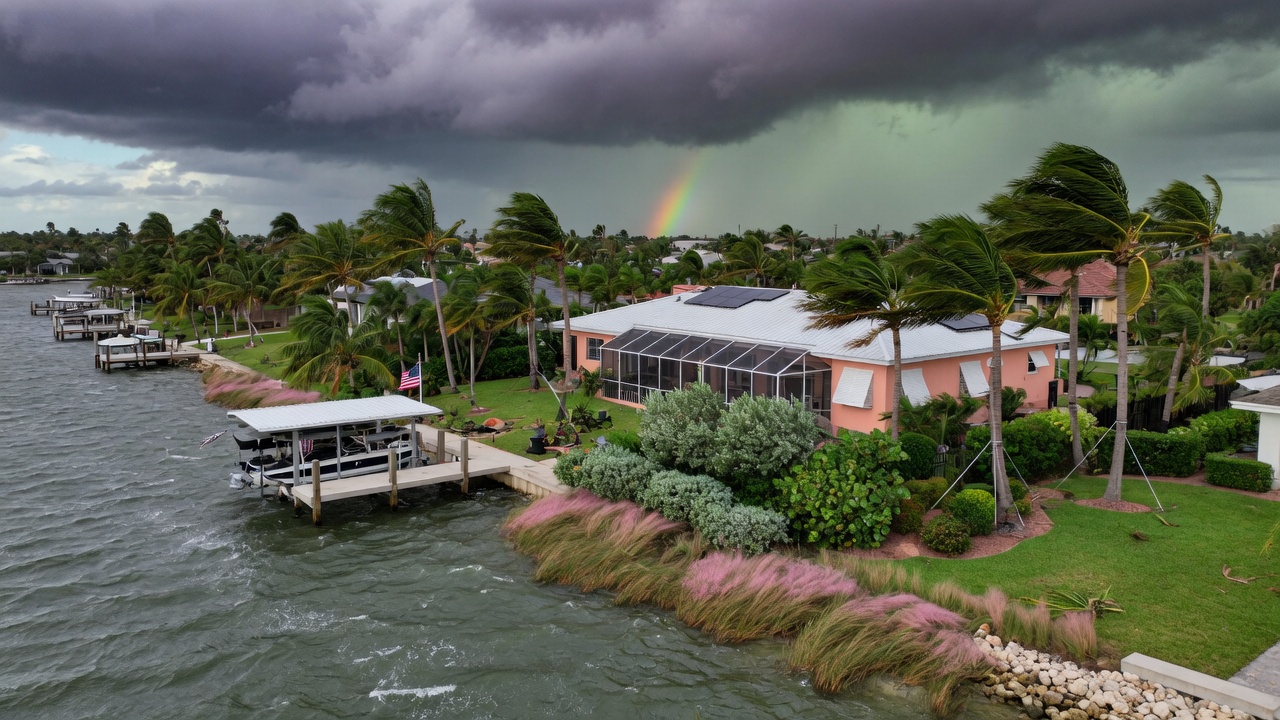
Cape Coral’s coastal location makes it particularly vulnerable to hurricane impacts. High winds can turn unsecured landscape elements into dangerous projectiles, while poor drainage can lead to extensive flooding. Understanding these risks is the first step toward creating a truly resilient landscape.
Effective hurricane-season landscaping focuses on three core principles: wind resistance, strategic placement, and proper maintenance. By addressing all three, you can dramatically reduce potential damage while maintaining the tropical aesthetic that makes Cape Coral so desirable.
Wind-Resistant Landscape Design Strategies
Creating Wind Breaks and Deflection Zones
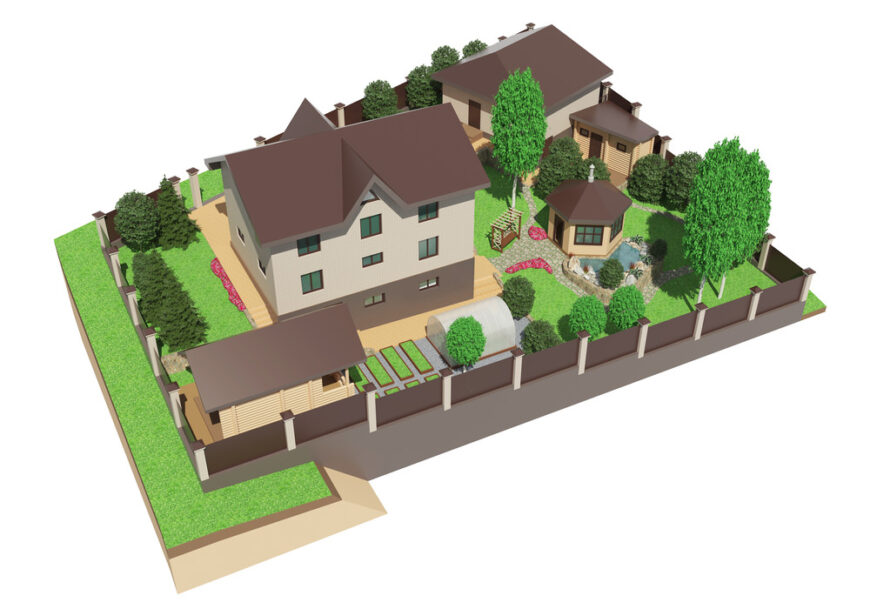
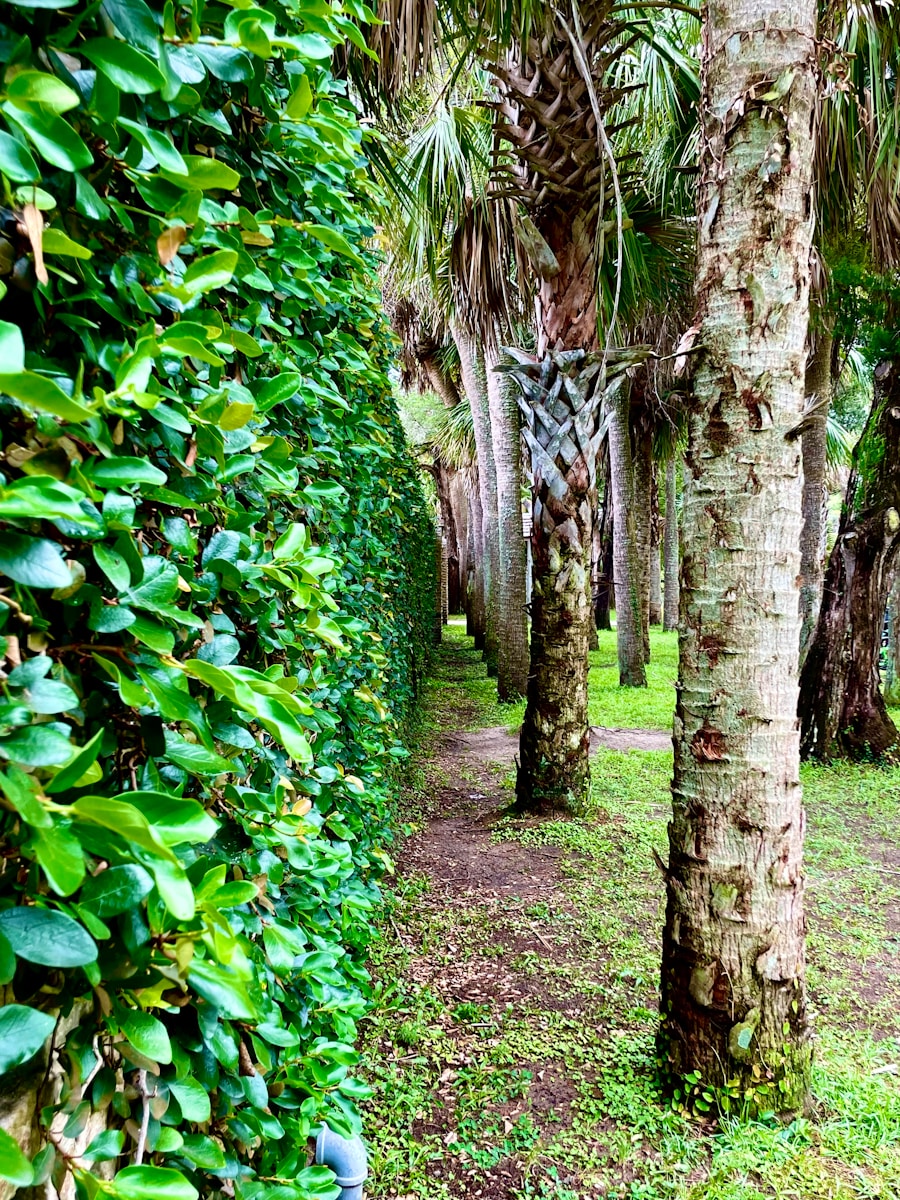
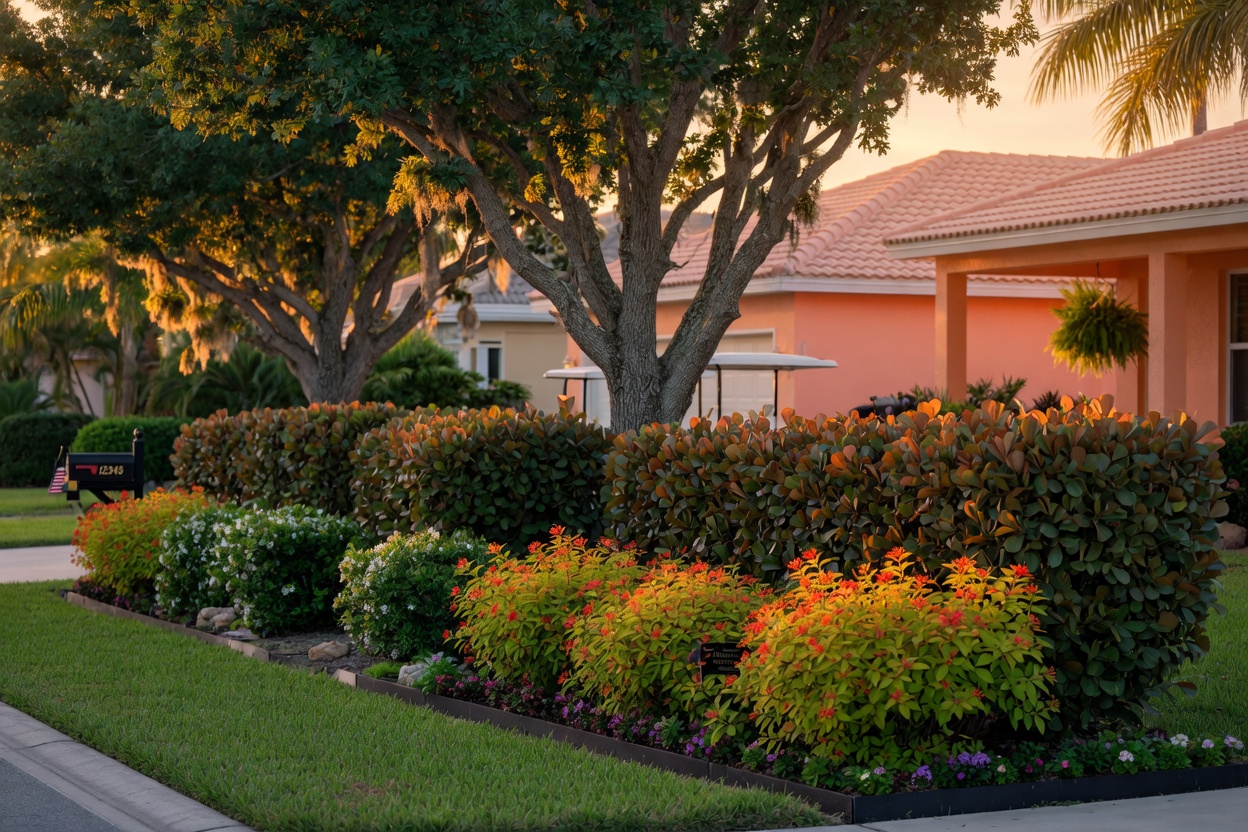
One of the most effective Cape Coral landscaping ideas involves strategic placement of wind barriers. Rather than creating a solid wall that can be knocked down, design layered wind breaks using plants of varying heights. This approach slows wind gradually, reducing its destructive force.
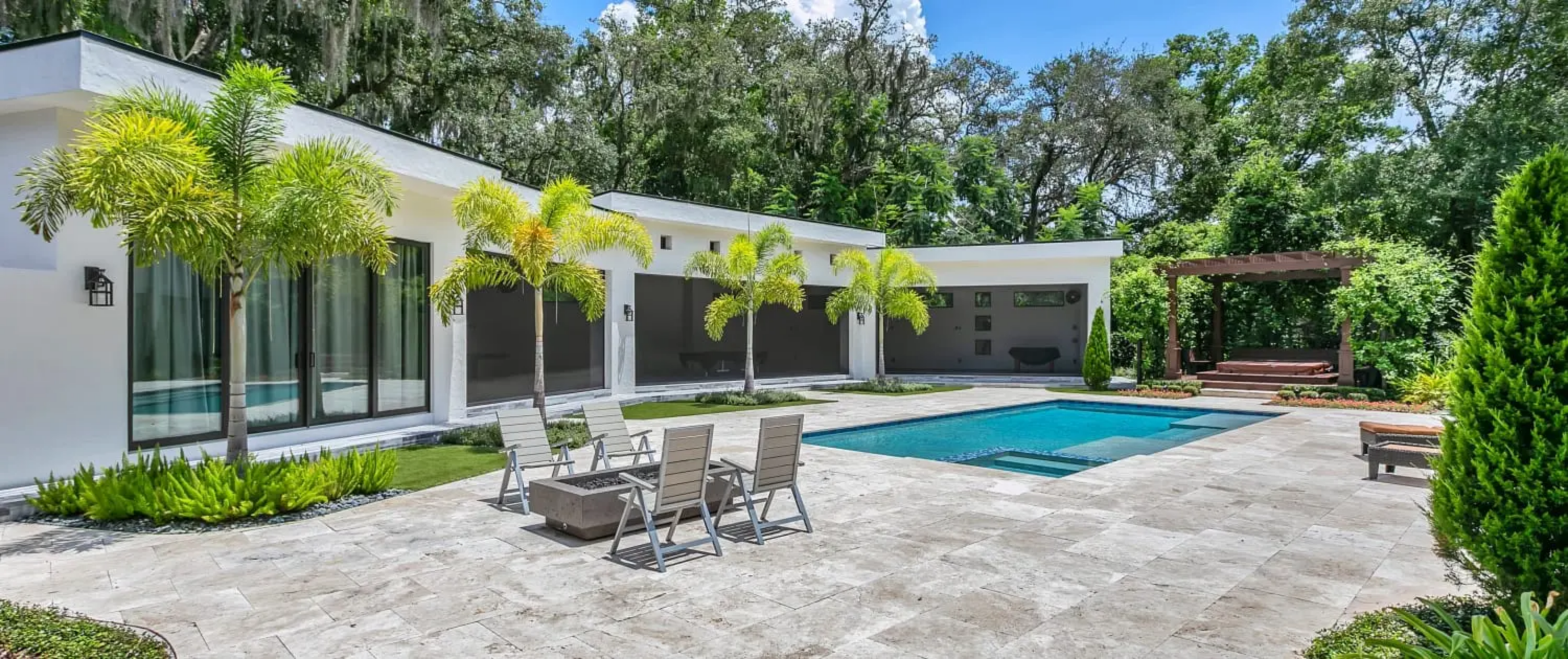
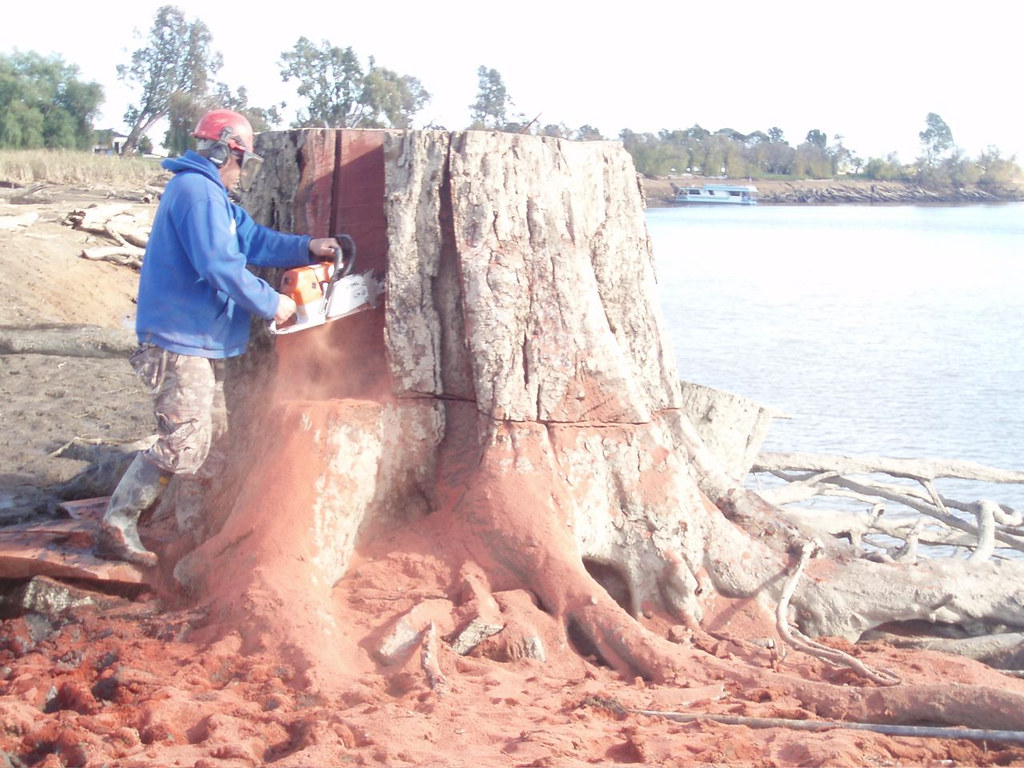
Image Grid 2

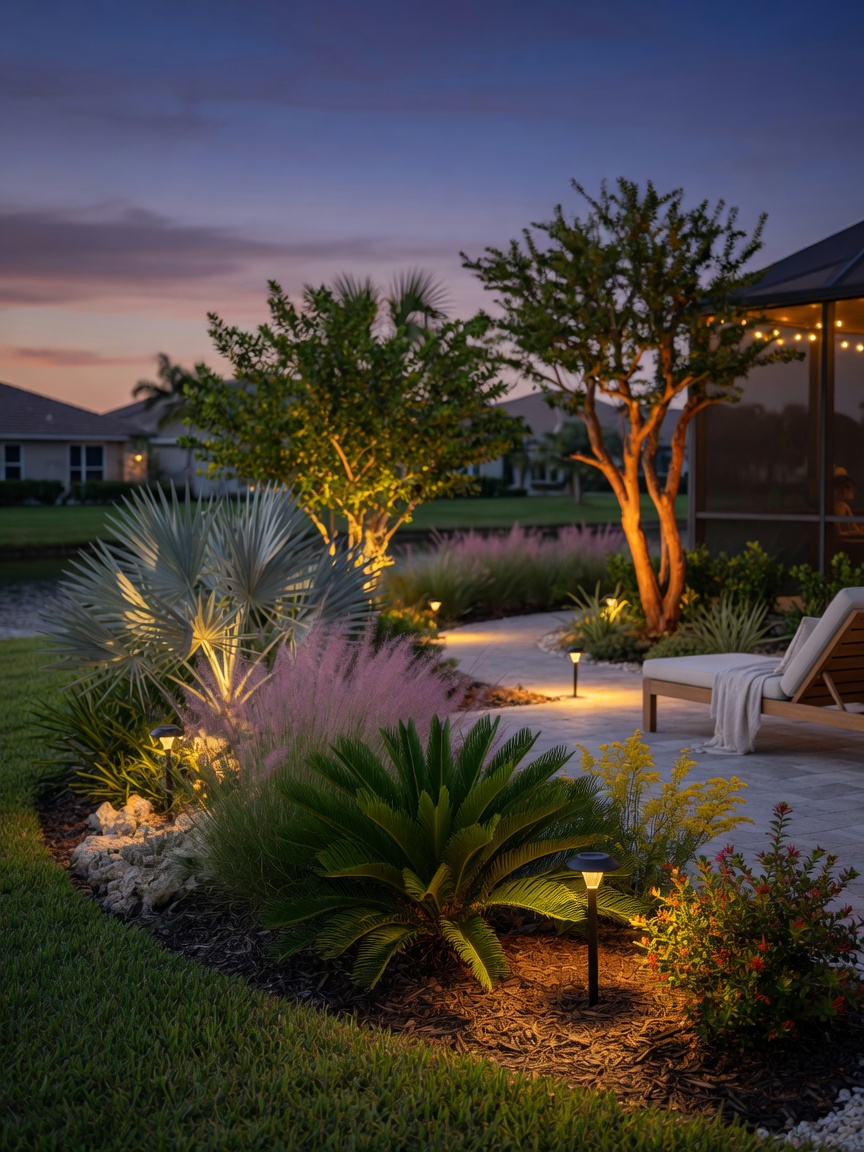
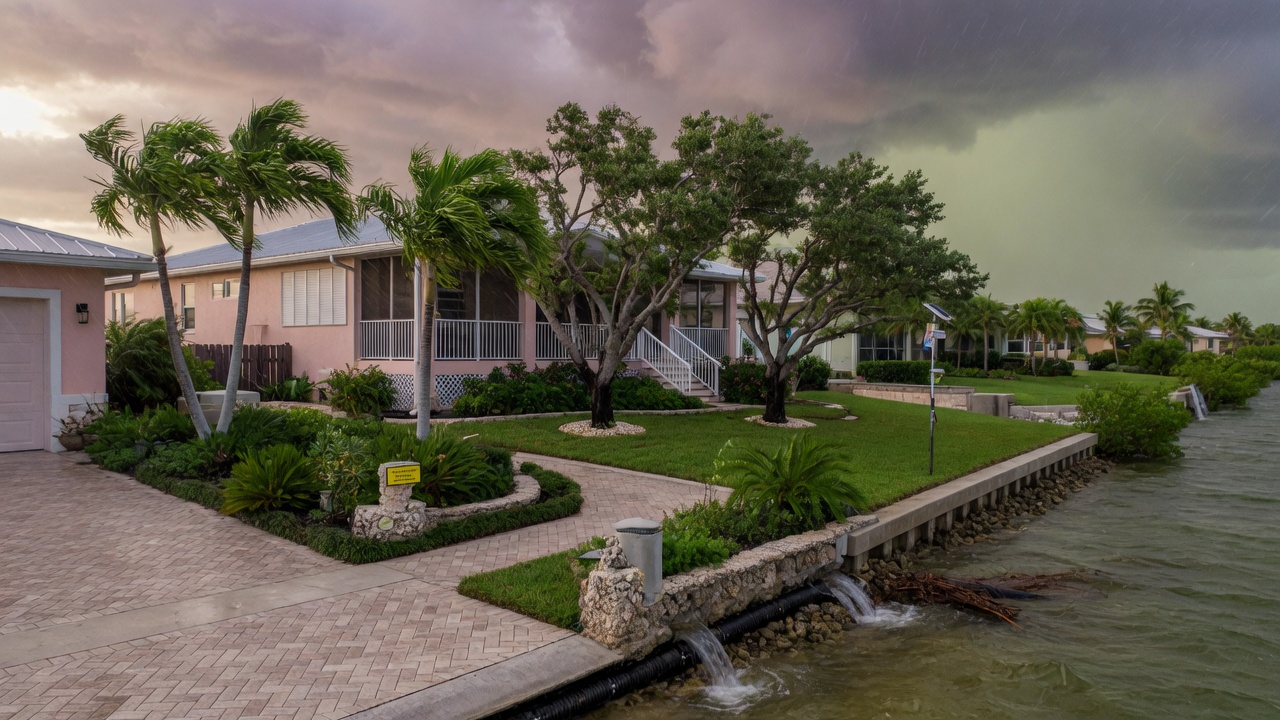
Position denser plantings on the north and east sides of your property, where storms typically approach. Use a combination of medium-height shrubs and taller trees to create a graduated wind buffer that protects your home and more vulnerable landscape elements.
The 30-30-30 Rule for Tree Placement
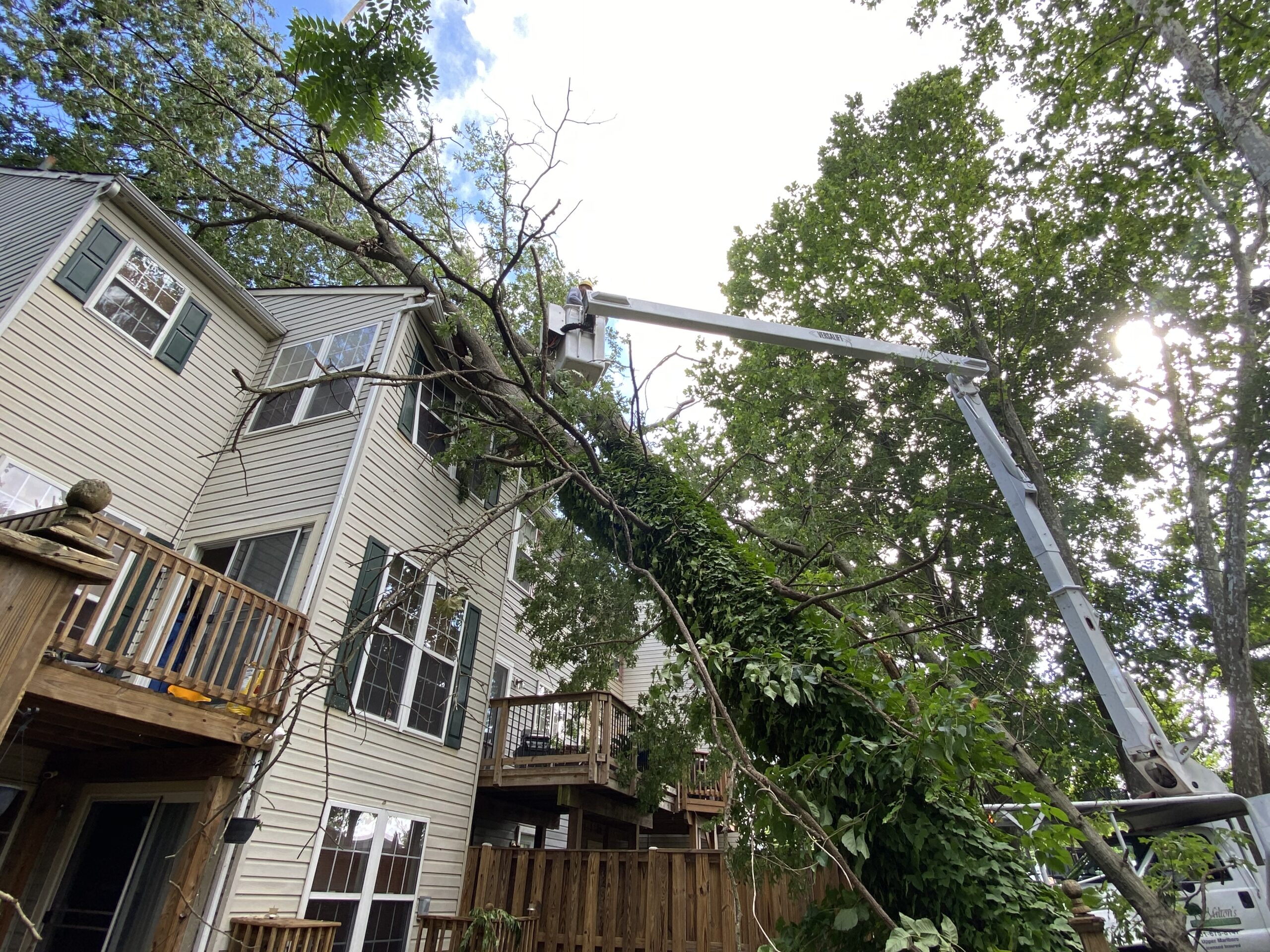
A critical yet often overlooked strategy is maintaining proper distance between trees and structures. Follow the 30-30-30 rule: plant trees at least 30 feet from your home, with a minimum 30-foot spacing between each tree, and select species that typically grow no taller than 30 feet in our local conditions. This dramatically reduces the risk of trees falling on your roof during high winds.
Securing Hardscaping Elements
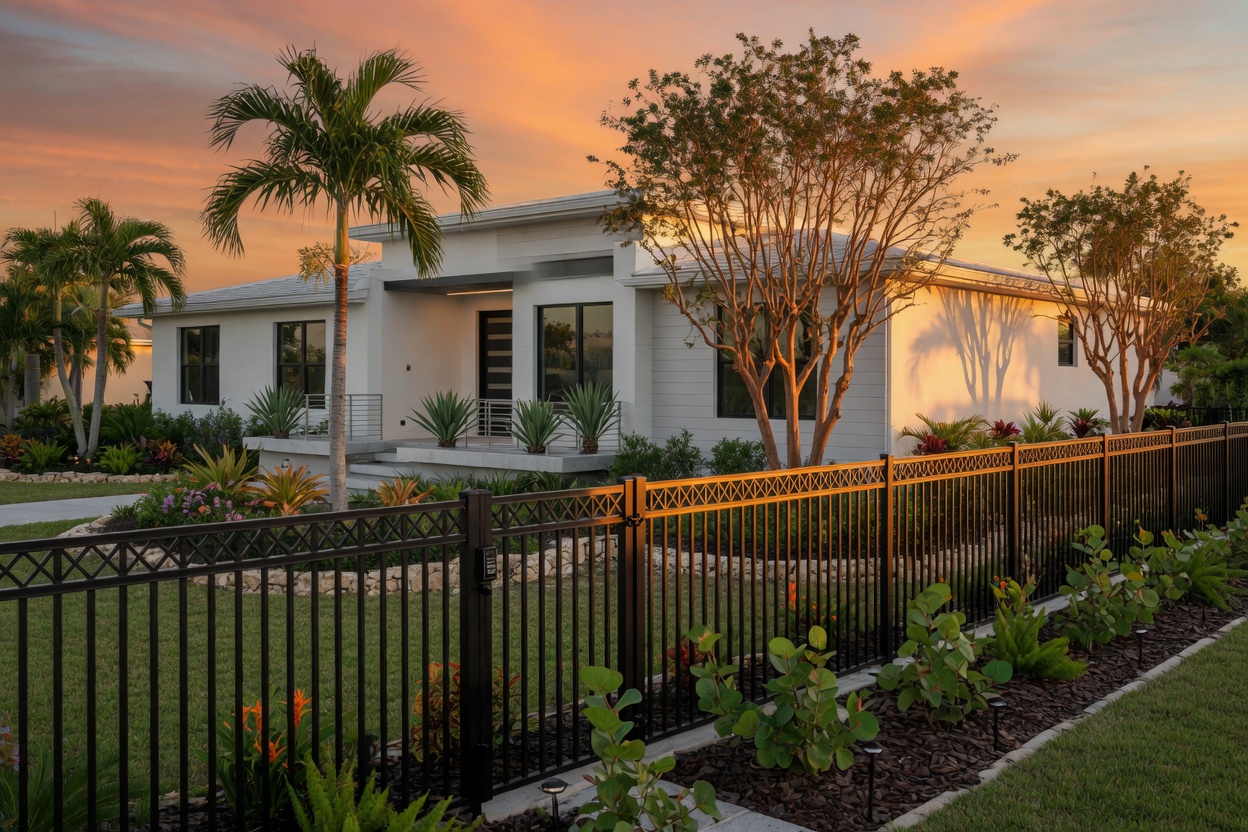
Hardscape features like pergolas, fences, and decorative walls should be professionally engineered to withstand at least 150 mph winds. Use hurricane-rated hardware and reinforced concrete footings. Consider replacing traditional wood fences with aluminum or vinyl options specifically rated for coastal conditions.
Best Native and Wind-Resistant Plants for Cape Coral
Native Florida plants have evolved to withstand our intense weather patterns, making them ideal choices for hurricane-resilient landscaping. Here are the top recommendations that offer both durability and beauty:
Top Wind-Resistant Trees
- Live Oak (Quercus virginiana): Exceptionally strong wood with deep root systems. These majestic trees can withstand hurricane-force winds when properly maintained.
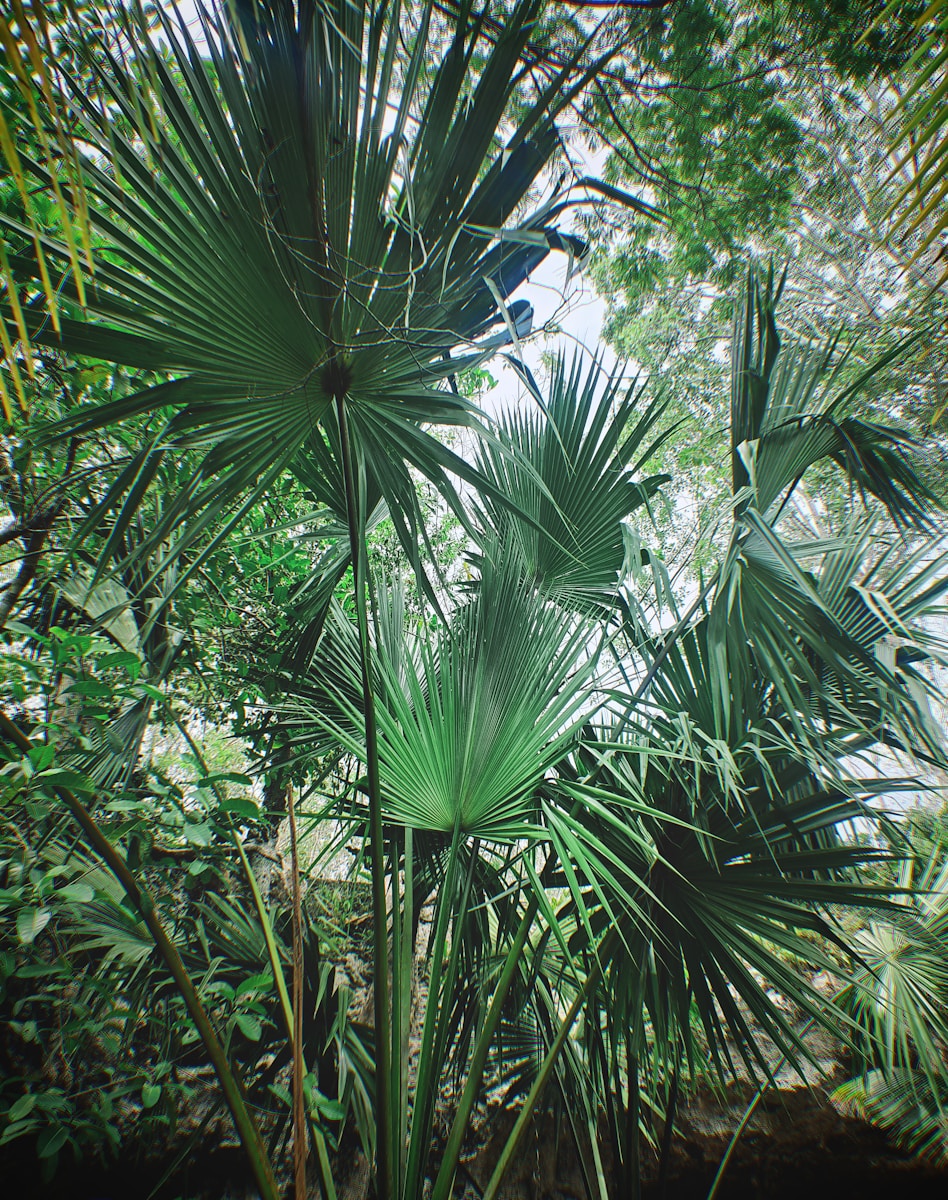
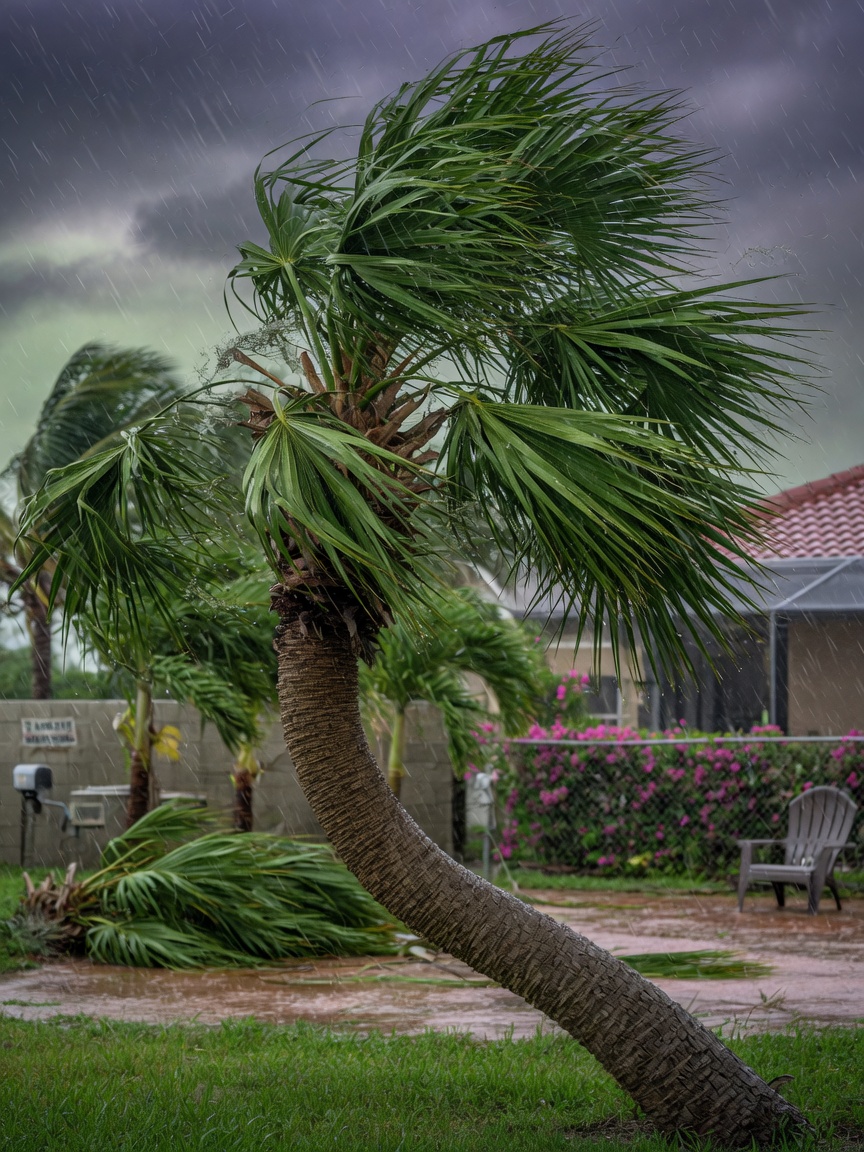
- Sabal Palm (Sabal palmetto): The official Florida state tree is remarkably wind-resistant due to its flexible trunk that bends rather than breaks.
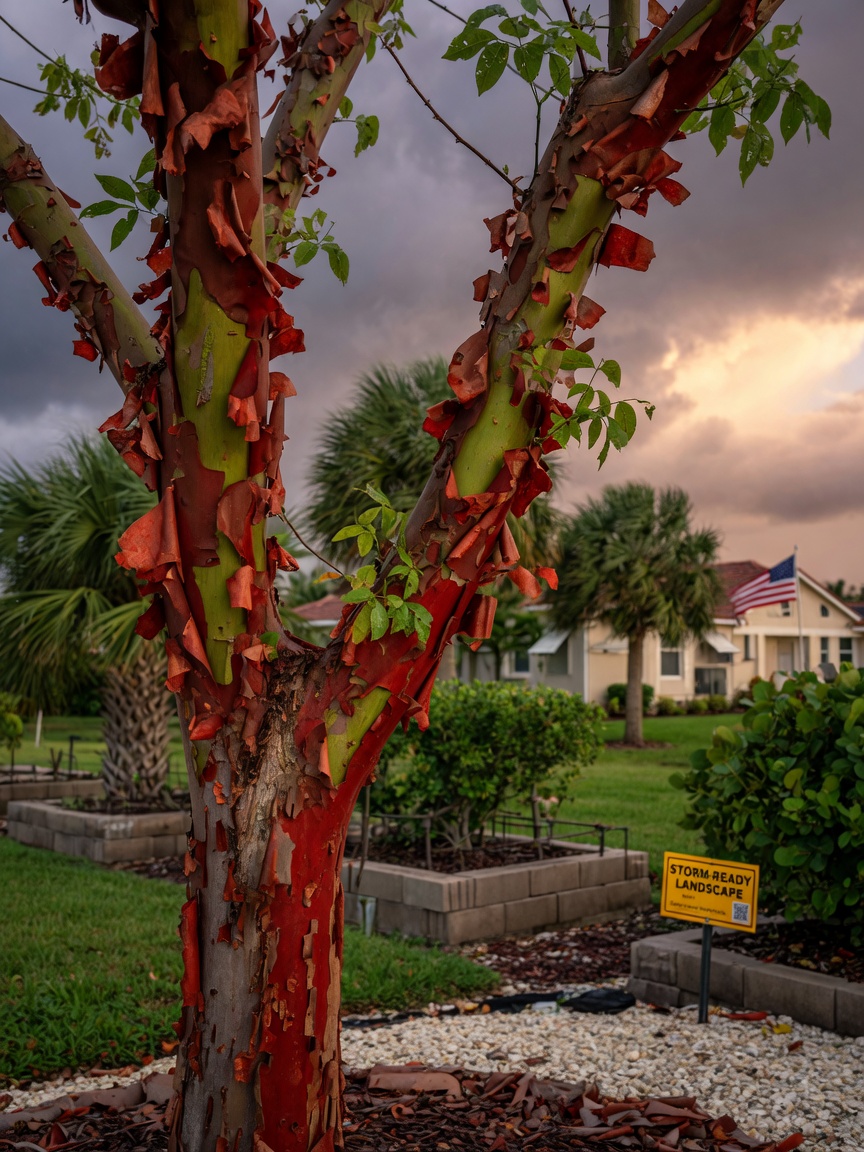
- Gumbo Limbo (Bursera simaruba): Fast-growing with exceptionally flexible branches. Also known as the “tourist tree” for its red, peeling bark.
- Simpson Stopper (Myrcianthes fragrans): Excellent small tree with dense foliage that works well as a privacy screen or wind buffer.
Durable Shrubs and Groundcovers
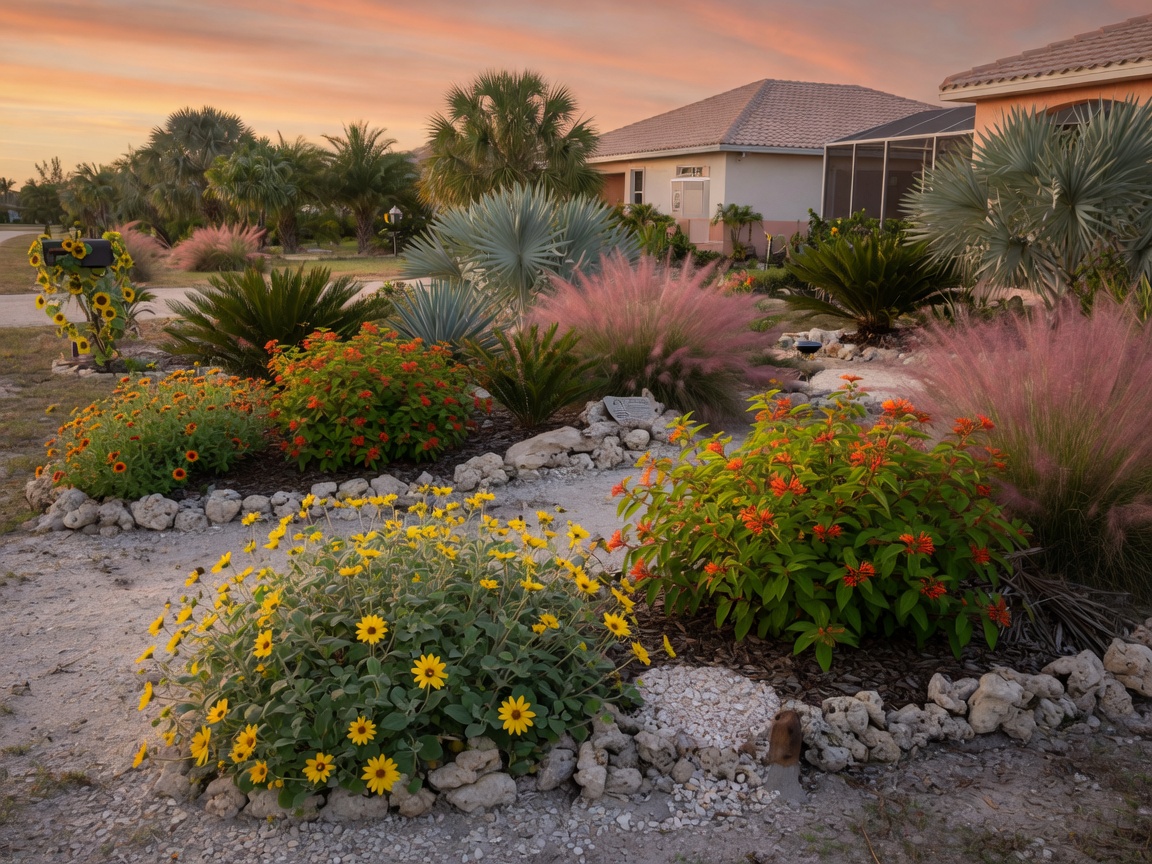
- Firebush (Hamelia patens): Attracts butterflies and hummingbirds while offering remarkable wind resistance.
- Beach Sunflower (Helianthus debilis): Excellent groundcover that stabilizes soil and prevents erosion during heavy rains.
- Coontie (Zamia integrifolia): Ancient native plant with exceptional durability and low maintenance requirements.
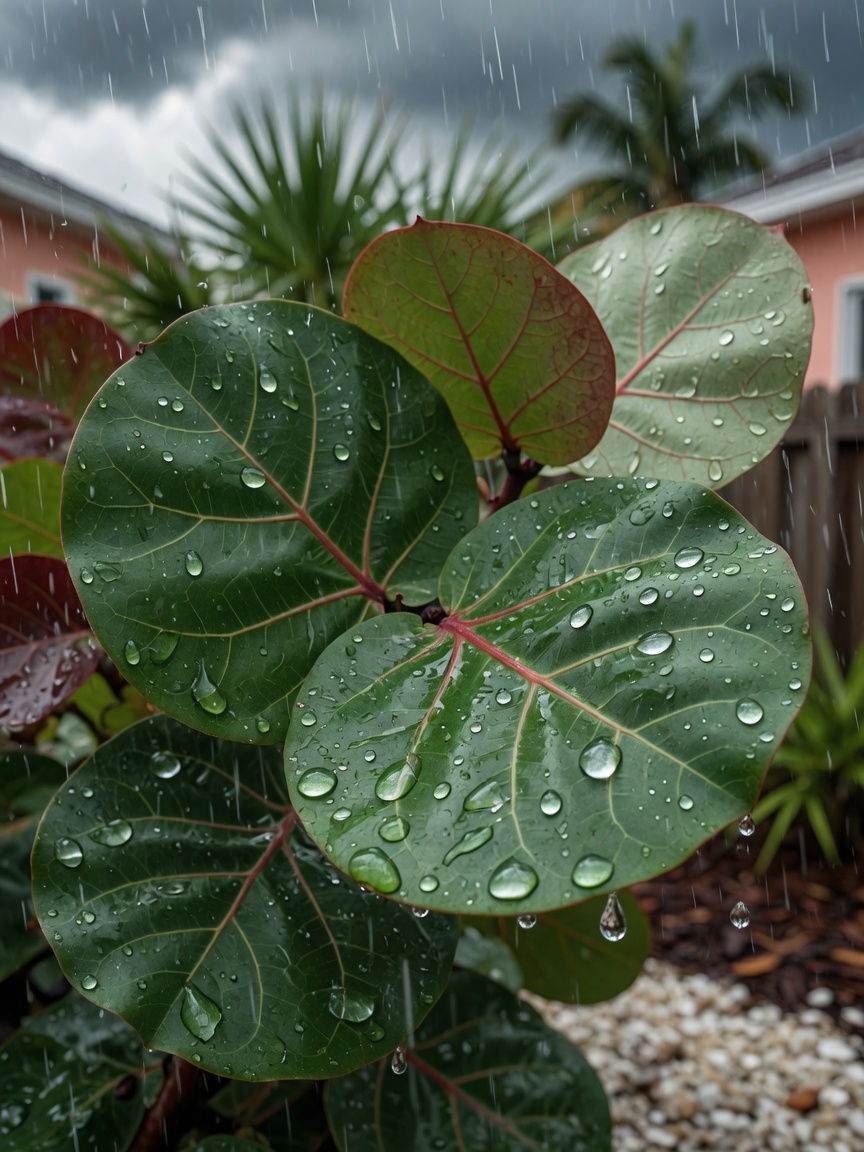
- Sea Grape (Coccoloba uvifera): Perfect for coastal properties with large, leathery leaves and strong branch structure.
Plants to Avoid During Hurricane Season
Some popular landscape plants can become liabilities during storms. Avoid weak-wooded trees like Australian Pine, Brazilian Pepper, and Norfolk Island Pine. Also reconsider large-leafed plants like Banana trees and certain Philodendrons that can shred in high winds and create significant debris.
Smart Storm Preparation for Your Landscape
Pre-Season Maintenance Checklist
Proper preparation can make the difference between minor cleanup and major landscape reconstruction. Implement this checklist at least six weeks before hurricane season officially begins:
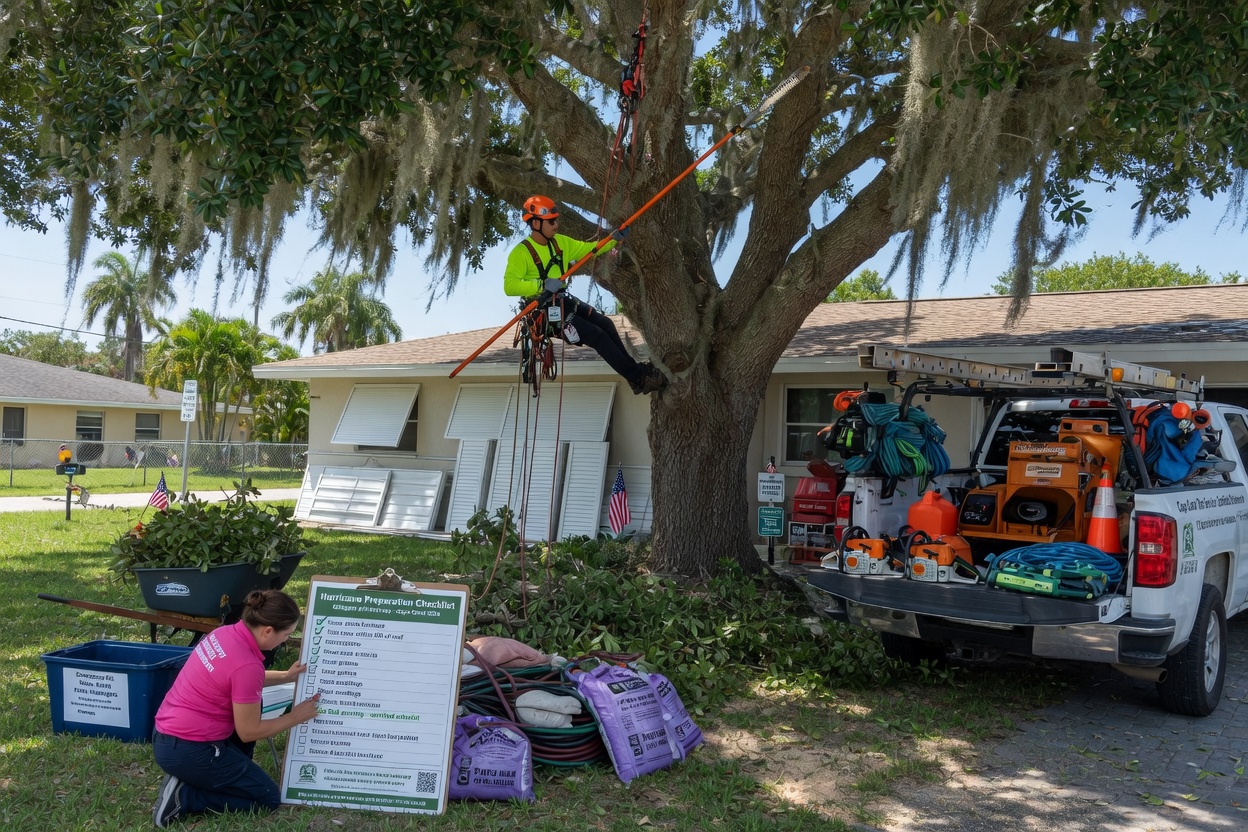
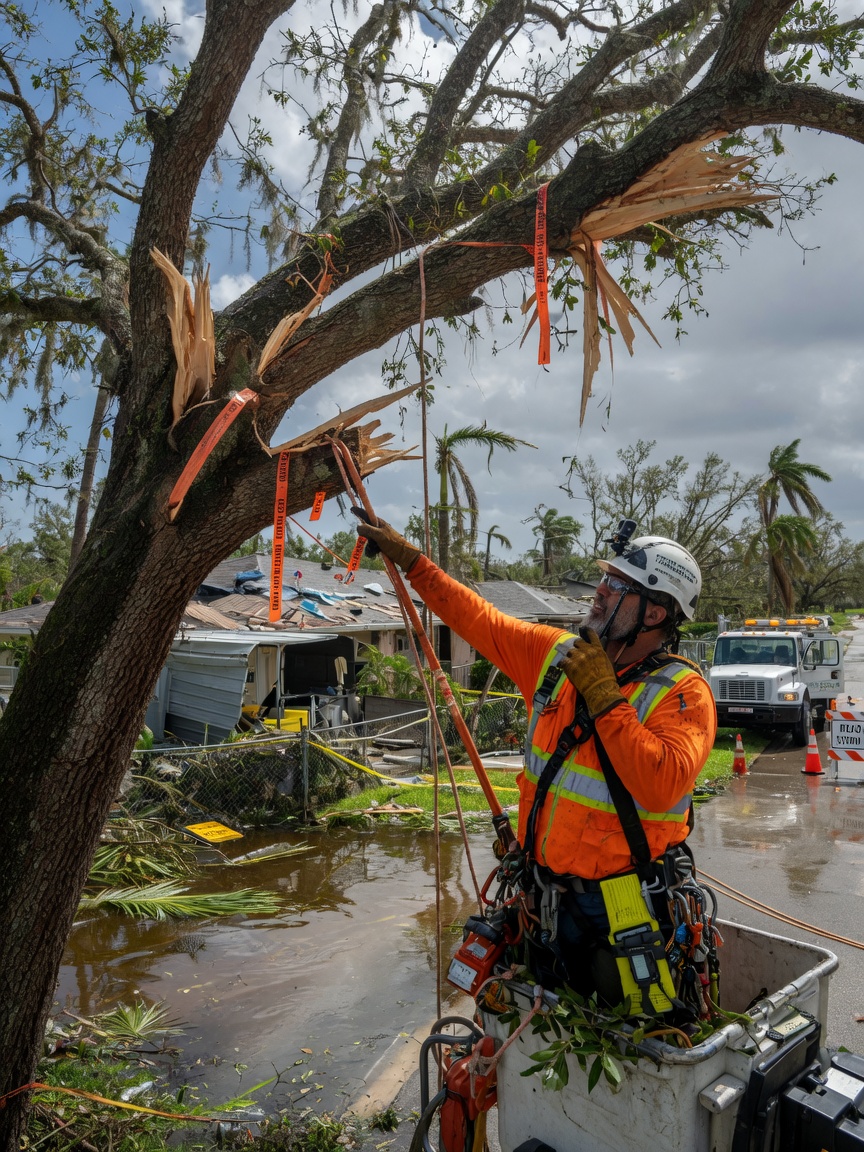
- Have all trees professionally inspected and pruned by an ISA Certified Arborist familiar with Southwest Florida conditions.
- Secure all movable objects including patio furniture, potted plants, garden statues, and grills.
- Install storm shutters or impact-resistant windows on garden structures and sheds.
- Ensure all drainage systems are clear of debris to prevent flooding.
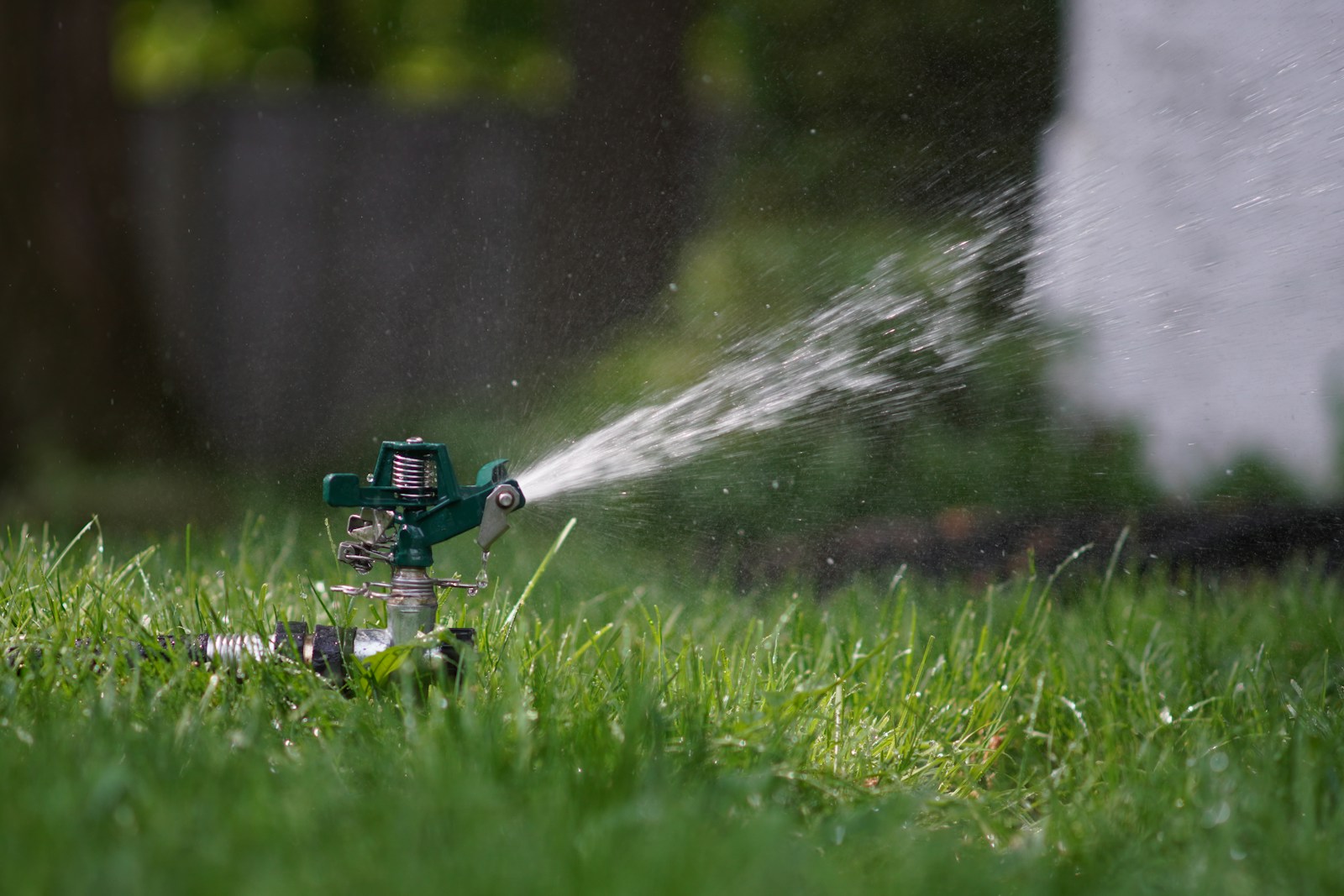
- Consider installing a hurricane-rated irrigation system with quick-disconnect heads.
Soil and Elevation Considerations
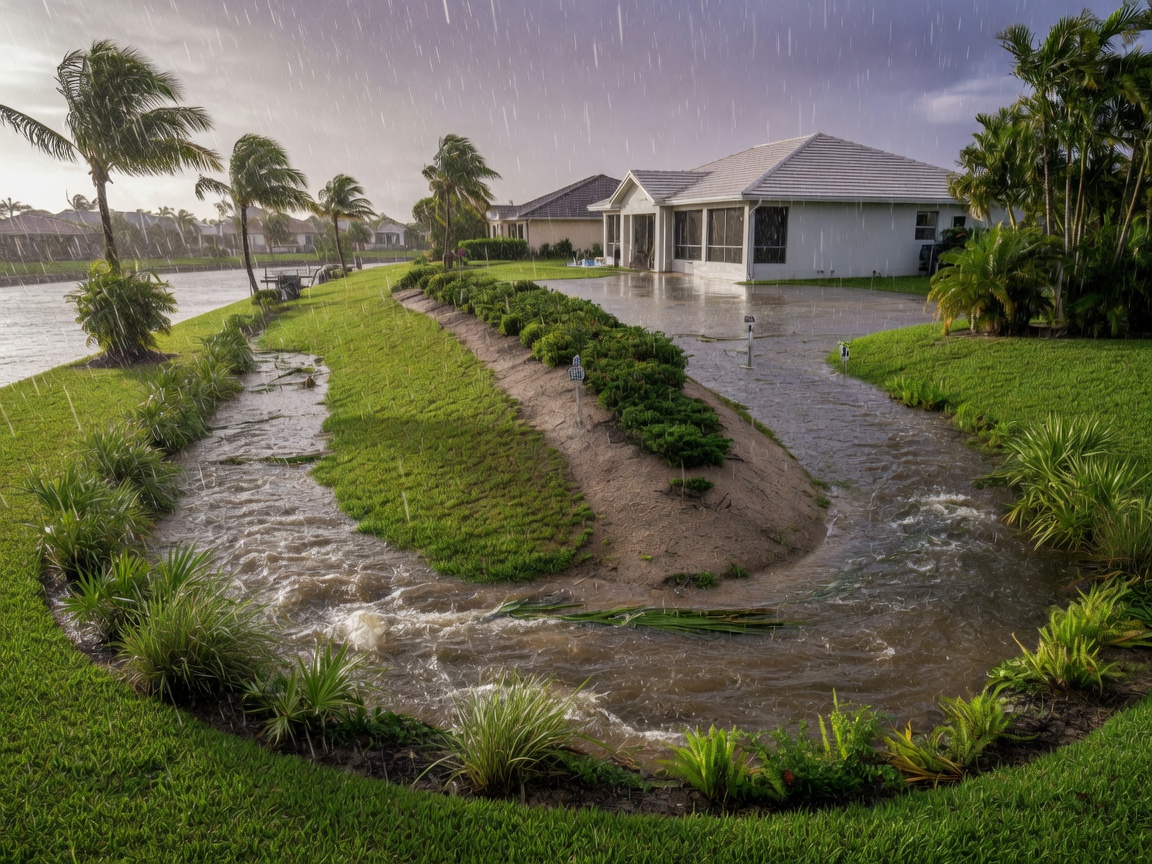
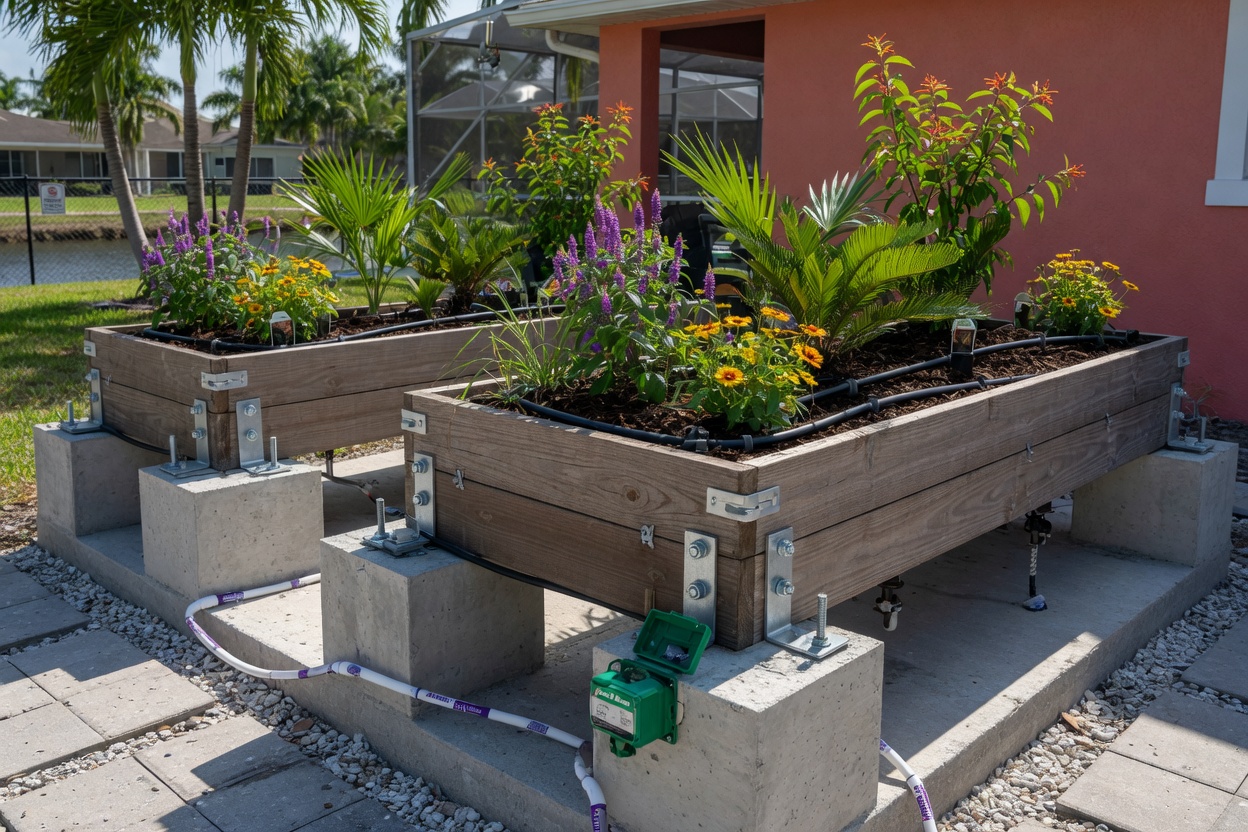
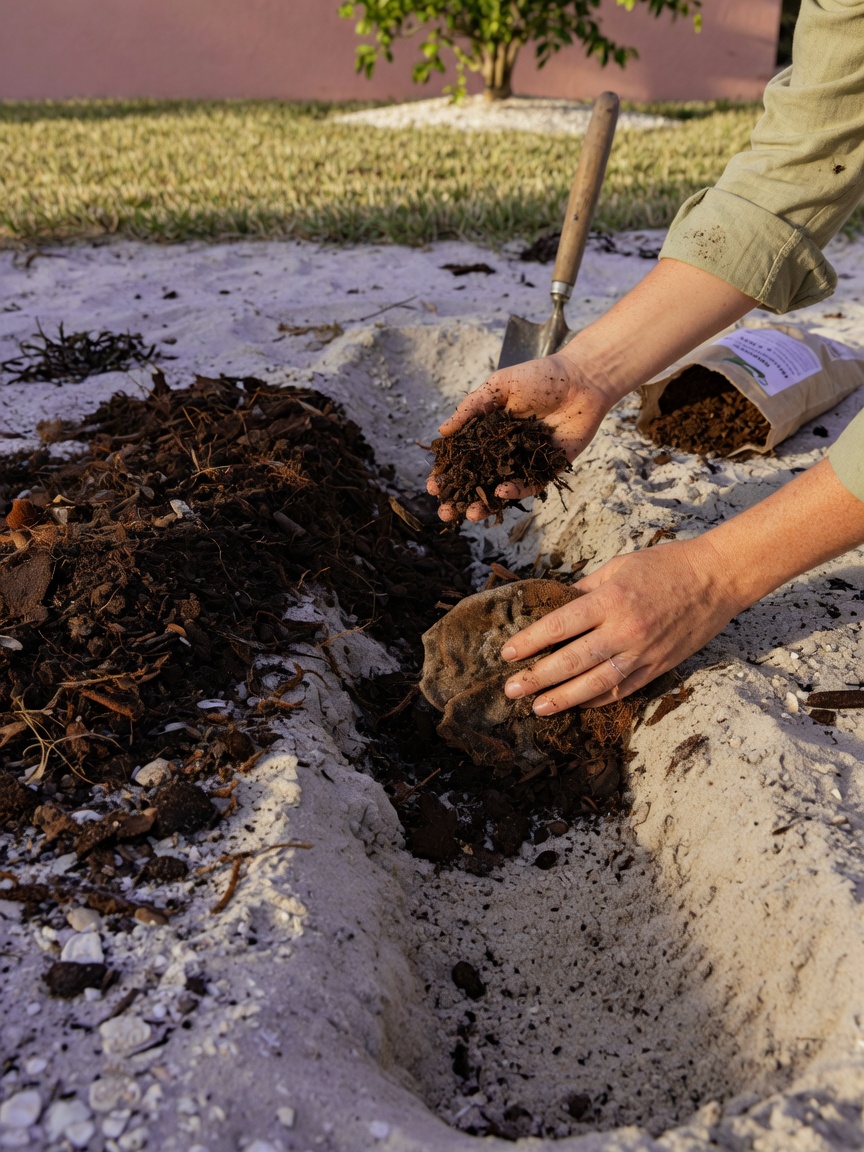
Cape Coral’s sandy soil and low elevation require special attention. Incorporate organic matter to improve soil structure and drainage. Create subtle berms and swales to direct water away from your home’s foundation while preventing erosion. Raised garden beds and planters should be securely anchored with deep stakes or concrete footings.
Low-Maintenance, Hurricane-Ready Landscape Designs
Creating a beautiful yet resilient landscape doesn’t mean constant upkeep. Consider these design approaches that minimize maintenance while maximizing protection:
Xeriscaping with Native Plants
Reduce water usage and maintenance by creating zones of native plants that thrive in our local conditions with minimal irrigation. Group plants with similar water needs together and use mulch generously to retain moisture and suppress weeds.
Strategic Hardscaping
Incorporate more hardscape elements like permeable pavers, coral rock pathways, and concrete curbing. These features reduce the amount of vegetation that could become storm debris while adding sophisticated design elements to your property.
Post-Storm Recovery Strategies
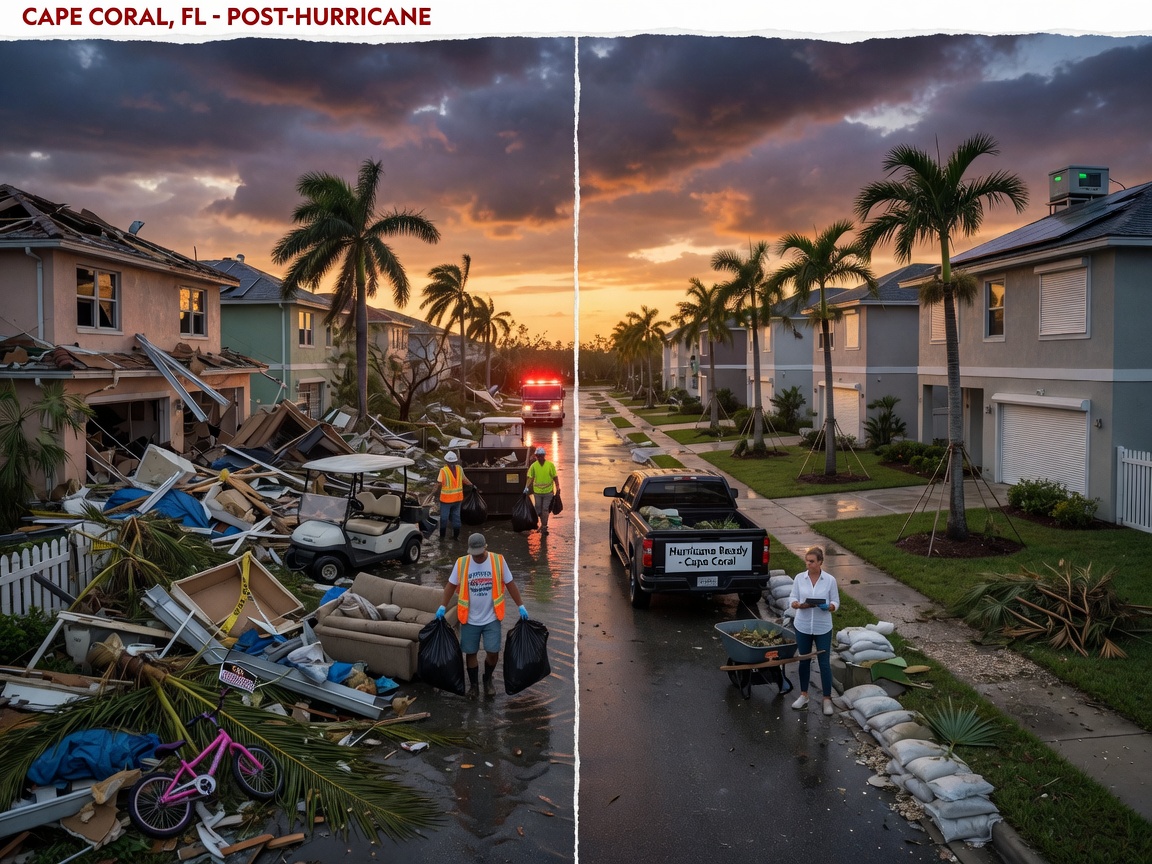
Even with the best preparation, storms can cause damage. Having a recovery plan helps you restore your landscape efficiently:
- Document all damage with photographs for insurance claims.
- Remove debris promptly to prevent mold and pest issues.
- Have a professional assess tree damage before attempting cleanup.
- Replant with wind-resistant species in areas where weaker plants failed.
- Consider installing additional wind protection features based on what withstood the storm.
Working with Local Landscaping Professionals
While DIY projects have their place, hurricane preparation benefits from professional expertise. Look for landscapers who understand Cape Coral’s specific soil conditions, wind patterns, and native ecosystems. They can help design a comprehensive plan that balances beauty, functionality, and safety.
Conclusion: Beauty Meets Resilience
Creating a hurricane-resistant landscape in Cape Coral doesn’t mean sacrificing beauty. By choosing the right plants, implementing smart design strategies, and maintaining your property properly, you can enjoy stunning outdoor spaces that are built to withstand Southwest Florida’s challenging weather.
These Cape Coral landscaping ideas represent an investment in both your property’s value and your family’s safety. As we enter another hurricane season, take time to evaluate your current landscape and implement these proven strategies. Your future self—and your insurance company—will thank you.
Ready to create a more resilient landscape? Start with a professional assessment of your current trees and plantings, then gradually transition to more wind-resistant species and strategic design elements. The result will be a landscape that celebrates Cape Coral’s natural beauty while standing strong against whatever weather comes our way.