


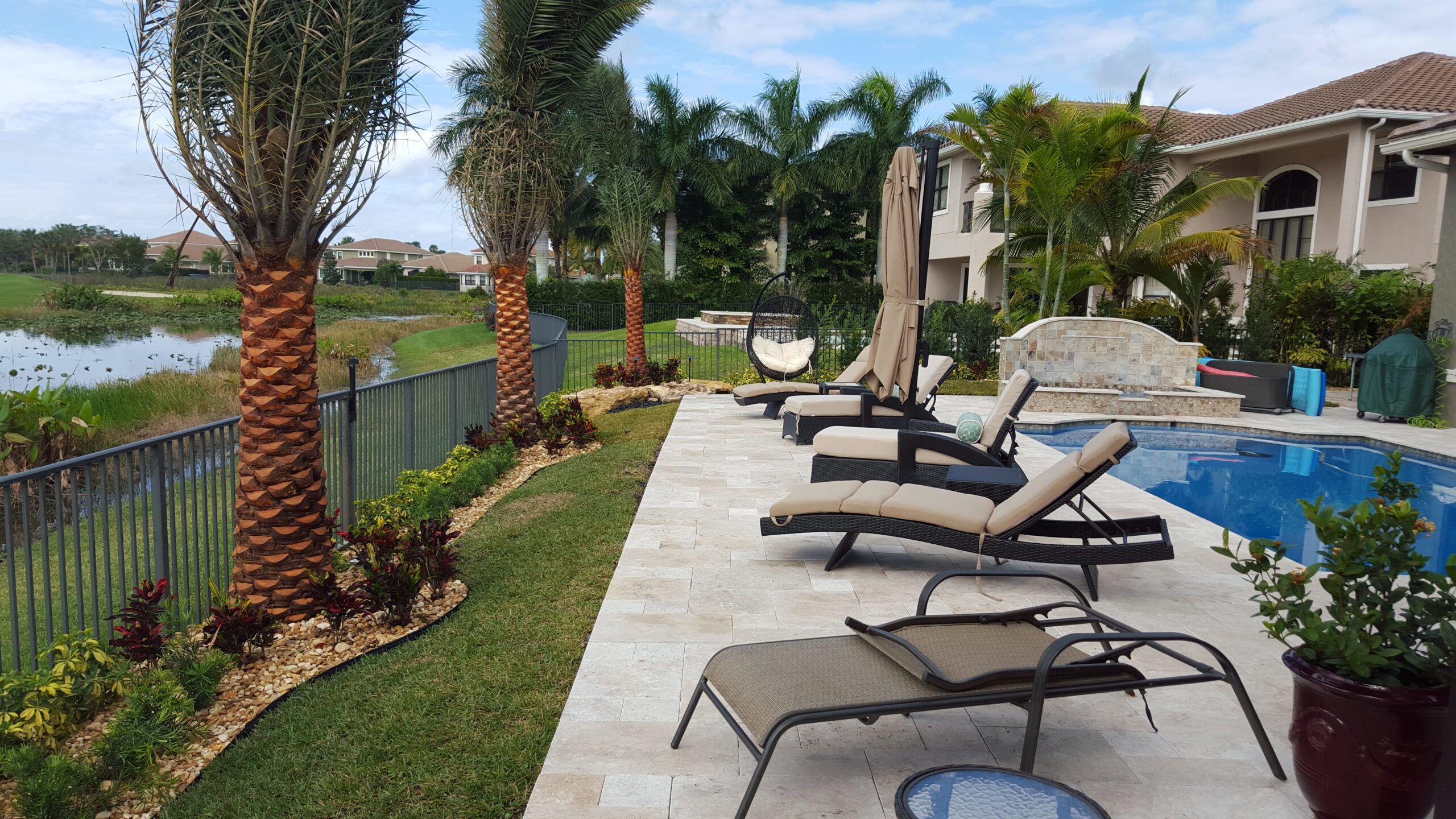

Cape Coral Landscaping for Hurricane Resilience
Living in Cape Coral means embracing the beauty of Southwest Florida while preparing for its powerful storms. With hurricane season a yearly reality, smart homeowners are turning to resilient landscaping that not only survives high winds, heavy rain, and salt spray but actually thrives in these conditions. The right combination of plant palettes, hardscape choices, and irrigation designs can protect your property, reduce maintenance, and maintain stunning curb appeal year-round.
This guide explores proven strategies for Cape Coral landscaping that balances hurricane resilience with aesthetic beauty and environmental responsibility.
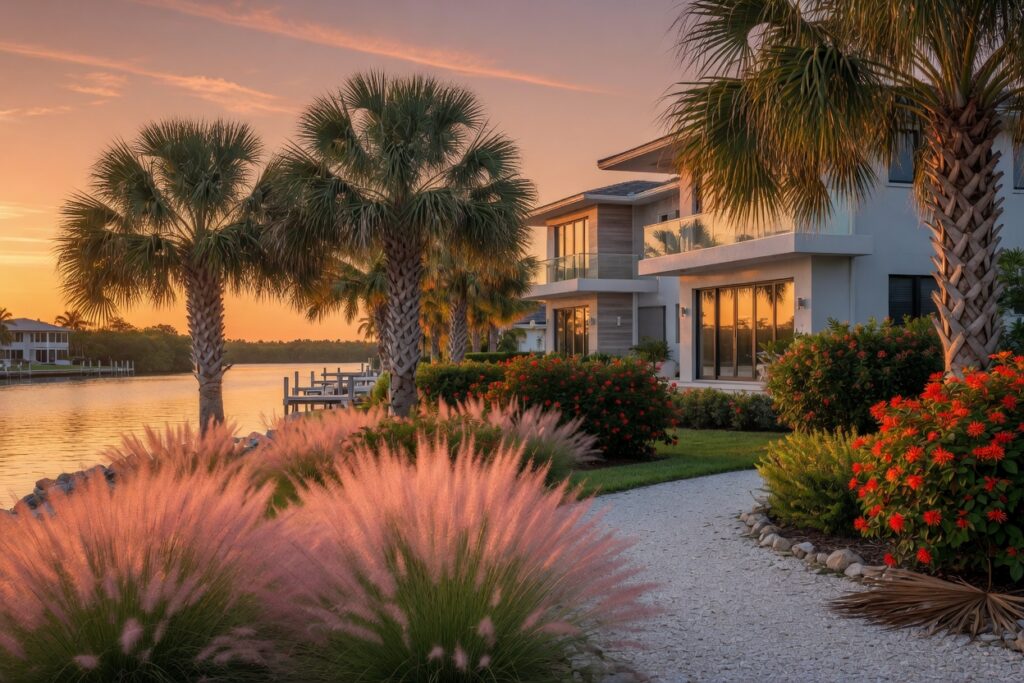
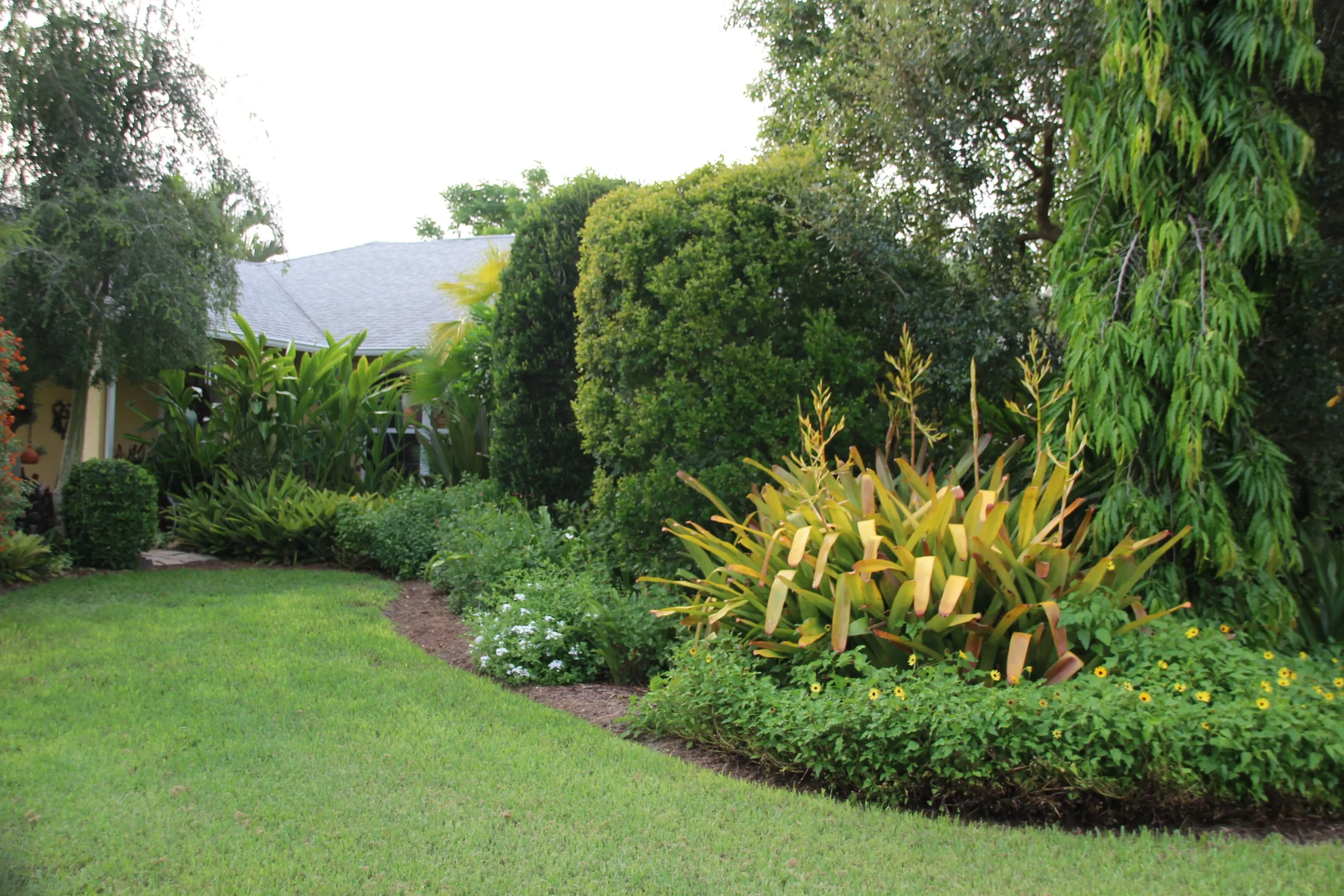
Image Grid 1




Why Hurricane-Resilient Landscaping Matters in Cape Coral
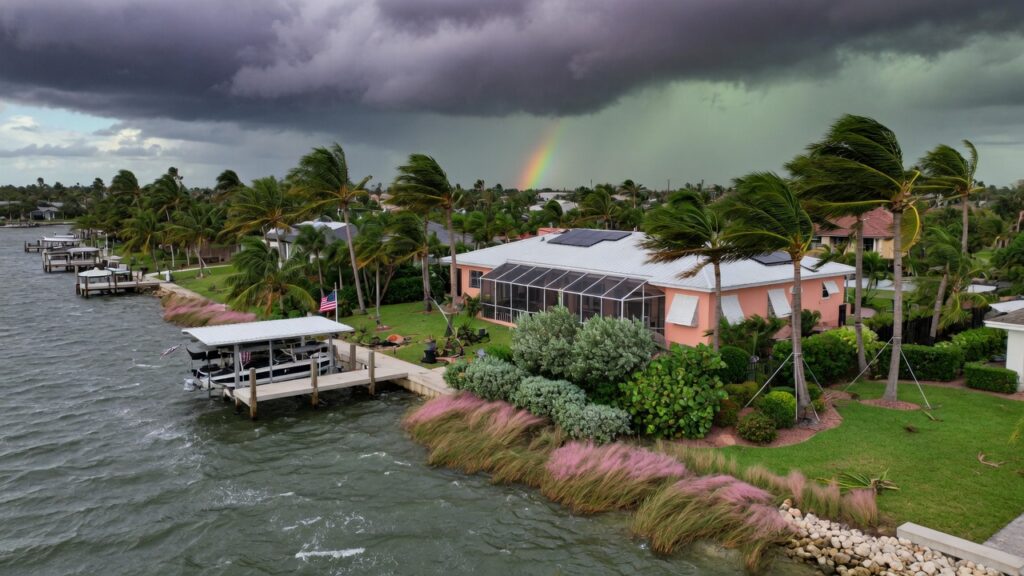
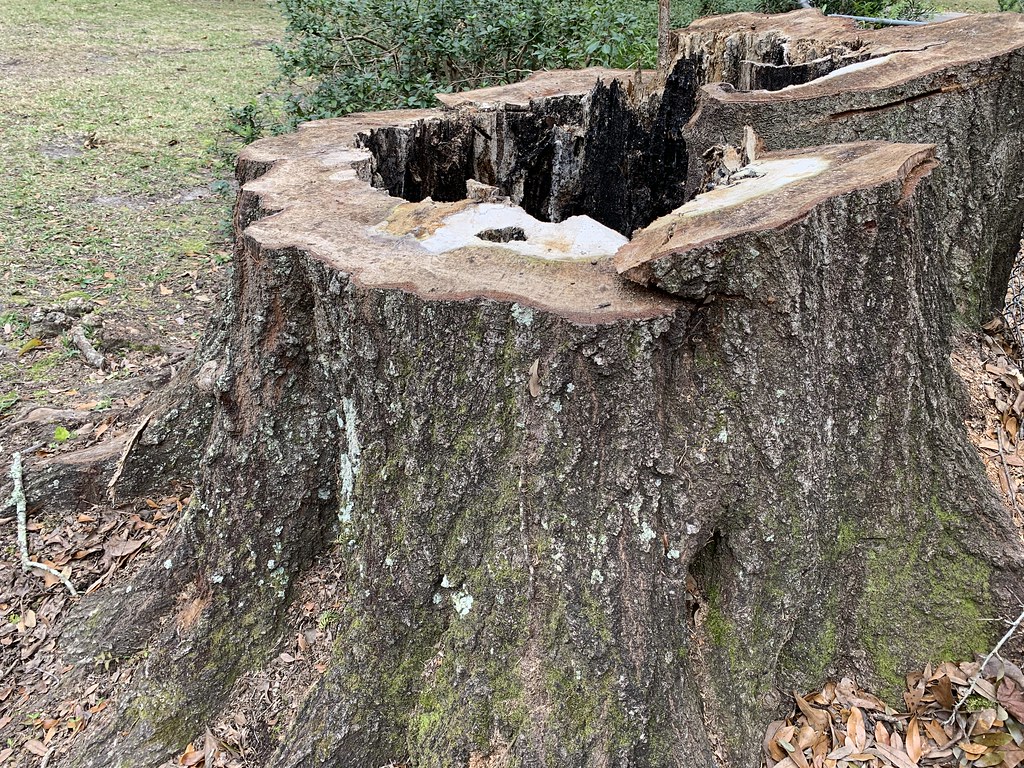
Cape Coral’s location along the Caloosahatchee River and proximity to the Gulf makes it particularly vulnerable to tropical storms and hurricanes. High winds can turn unsecured landscape elements into dangerous projectiles, while poor drainage leads to flooding and erosion. Salt spray damages many traditional ornamental plants.
A thoughtfully designed landscape serves as a first line of defense for your property while reducing long-term maintenance costs and water consumption. The following approaches have been tested through multiple storm seasons in Southwest Florida.
Best Wind-Resistant Plants for Cape Coral Landscapes
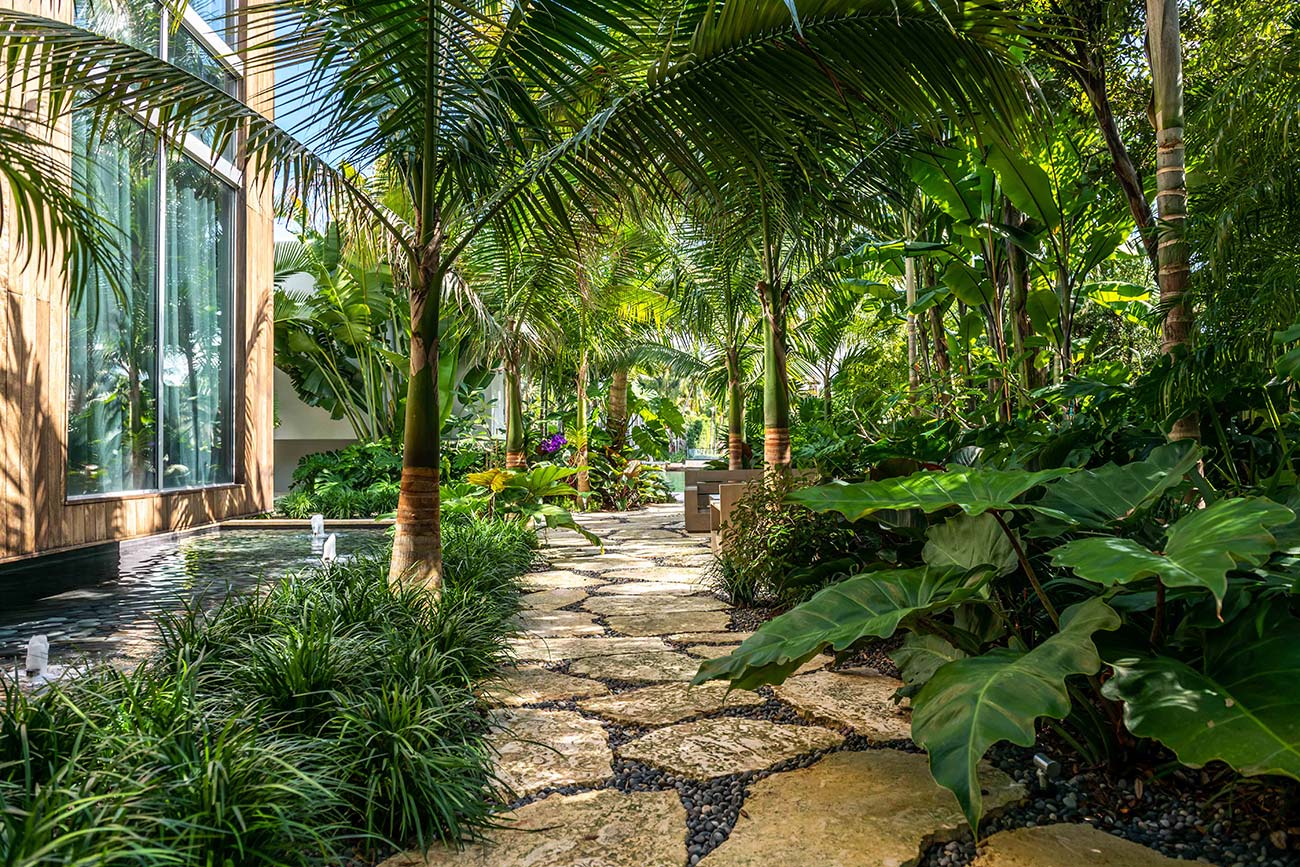
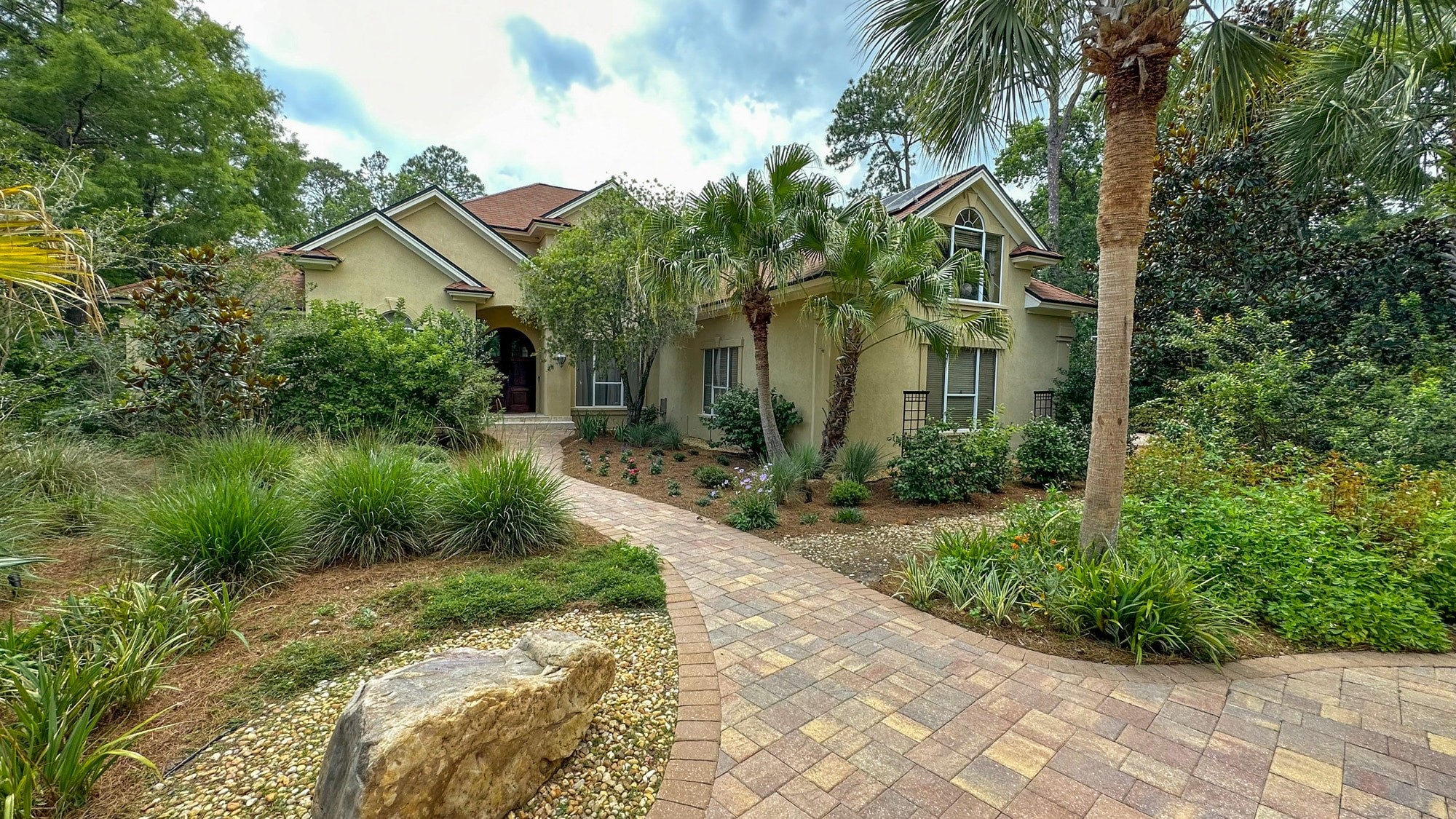
Selecting the right plants is the foundation of any hurricane-resistant landscape. Focus on native and Florida-friendly species with strong root systems, flexible stems, and salt tolerance.
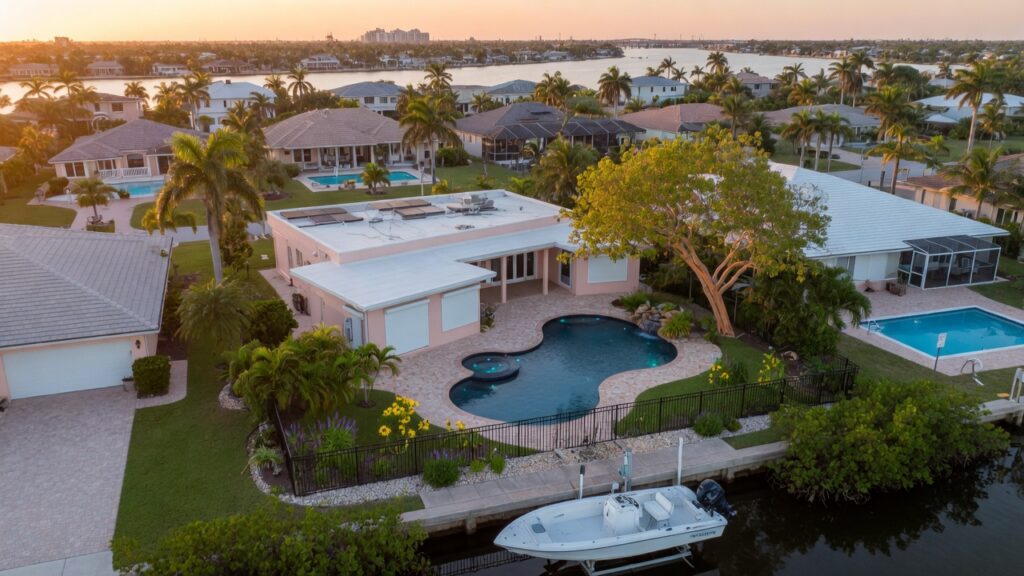
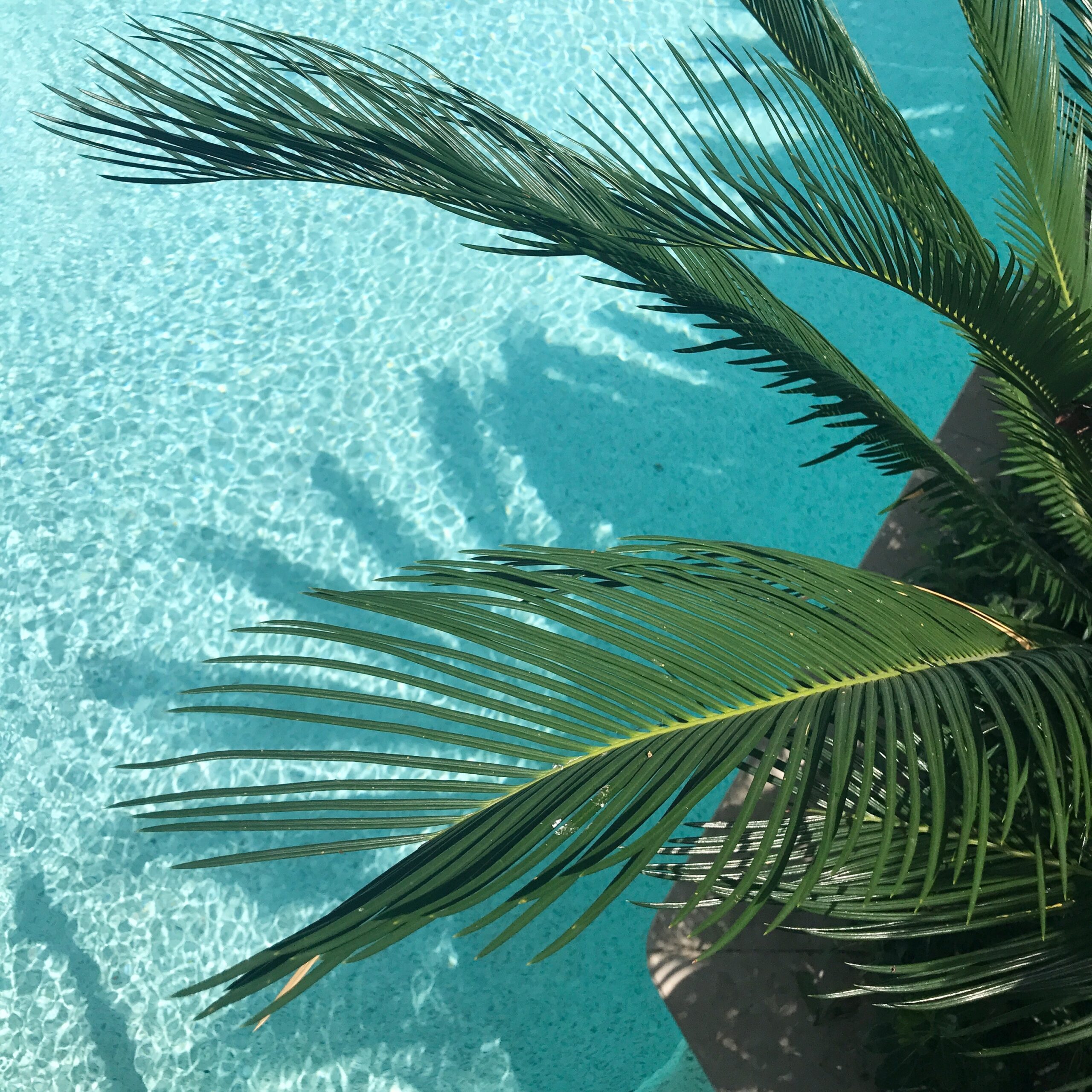
Image Grid 2


Top Recommended Trees for SWFL Storms
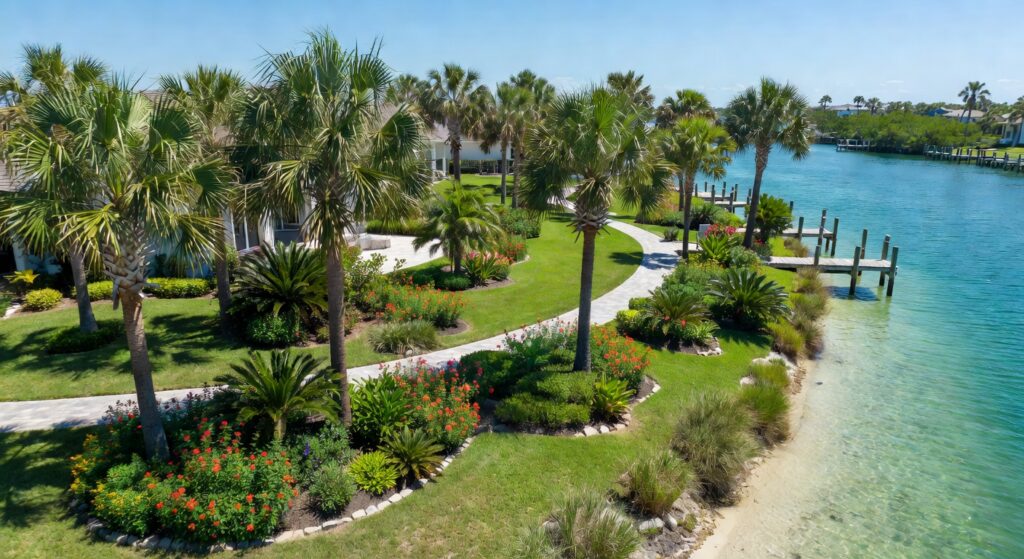
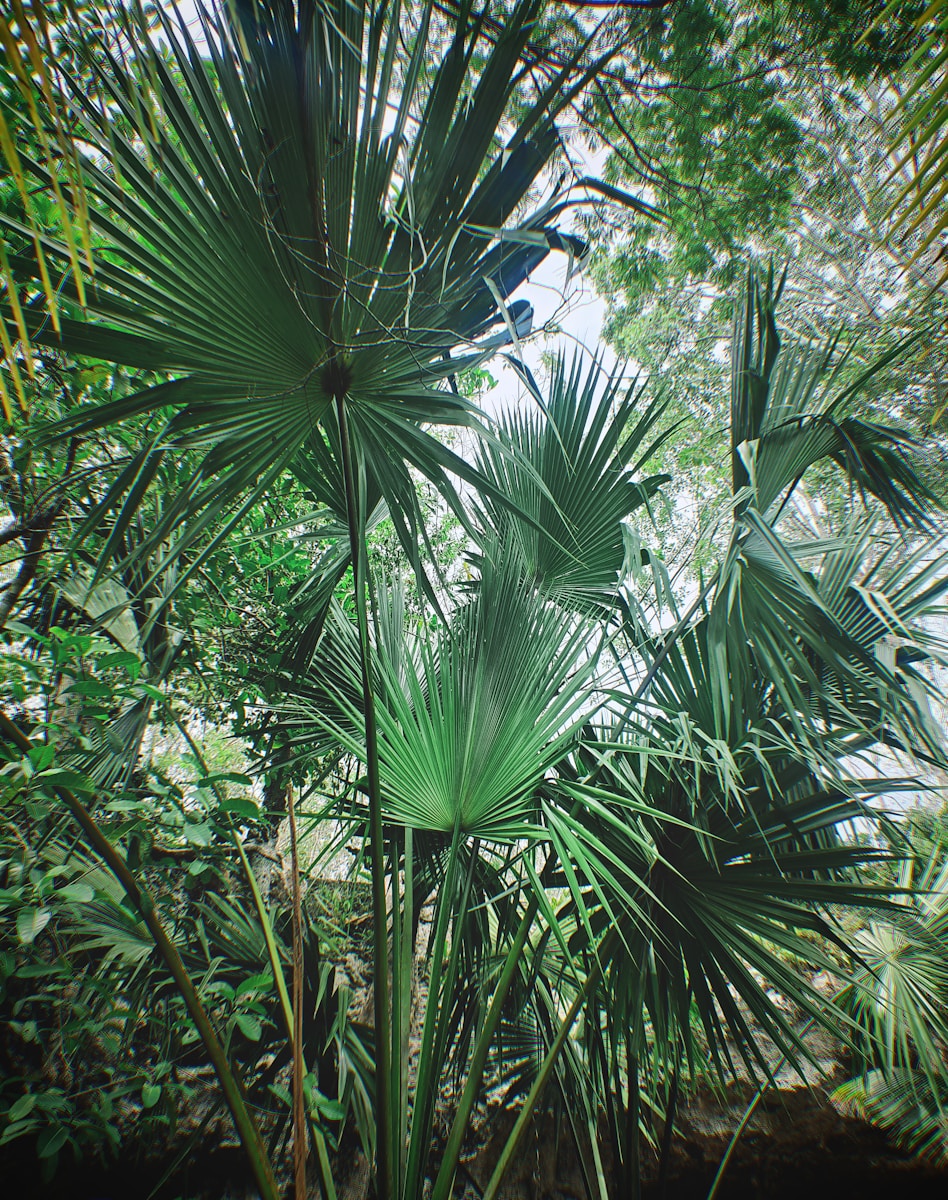
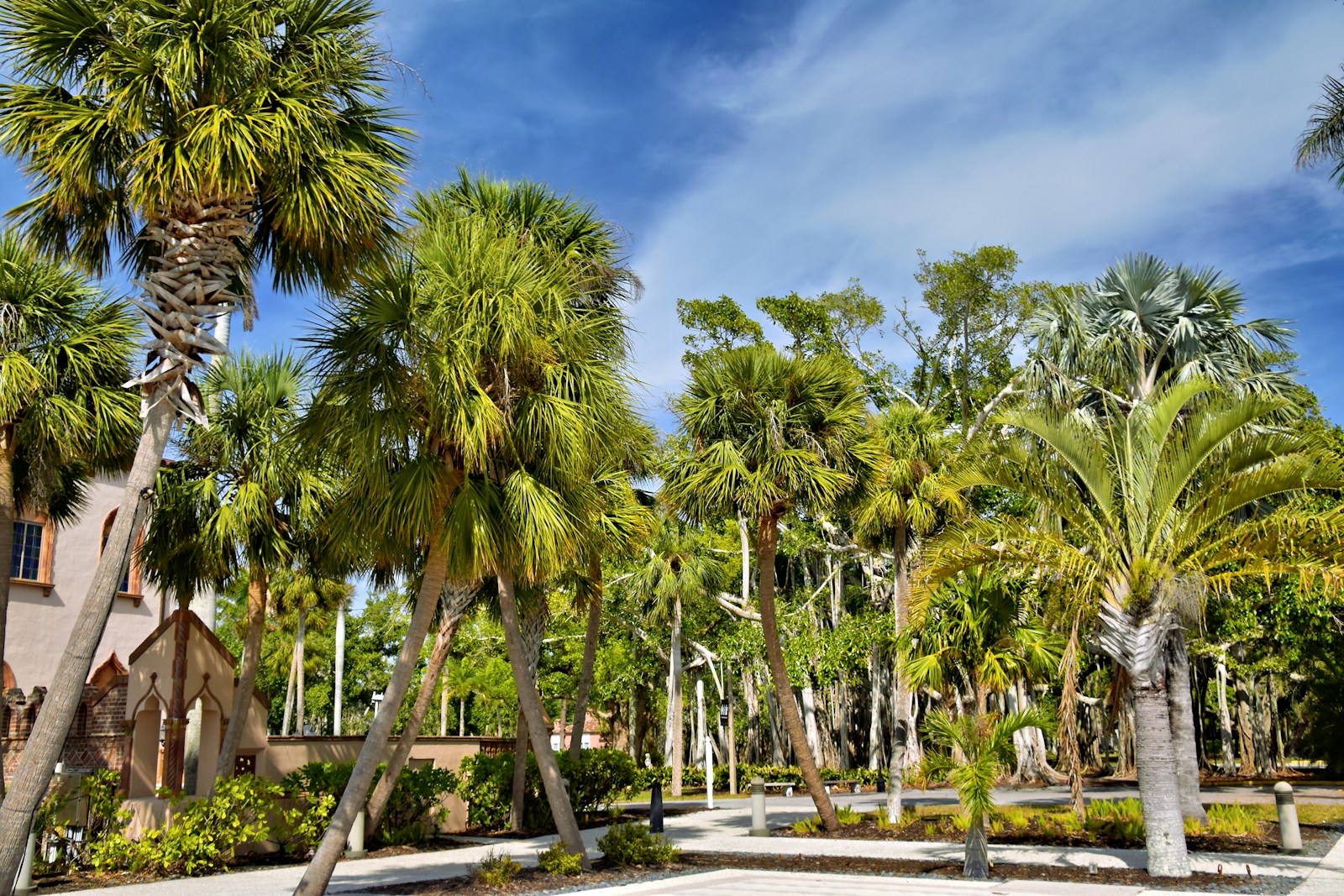
- Sabal Palm (Sabal palmetto): The official Florida state tree is exceptionally wind-resistant with a deep root system and flexible fronds that shed in high winds rather than breaking.
- Gumbo Limbo (Bursera simaruba): Known as the “tourist tree” for its red, peeling bark, this fast-growing native is extremely wind-resistant and drought-tolerant.
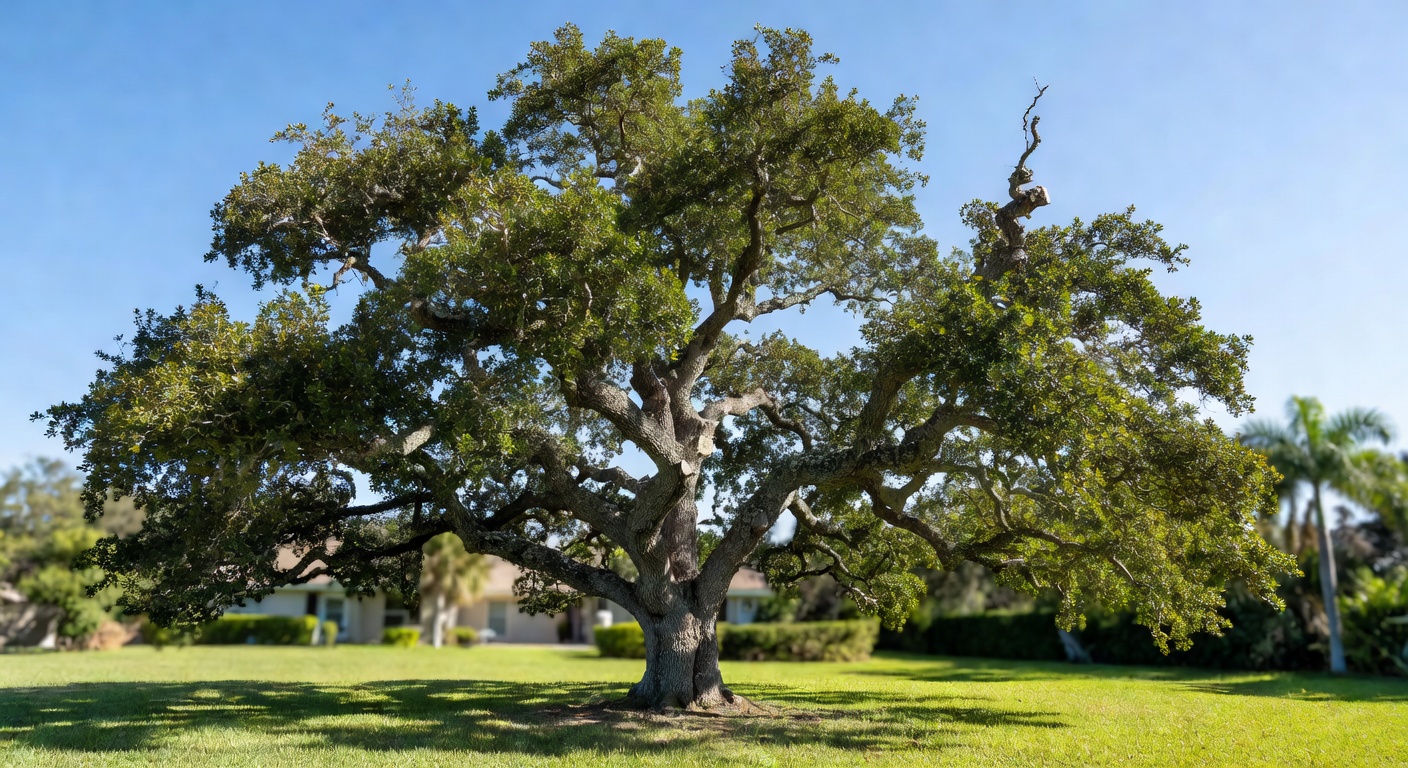
- Live Oak (Quercus virginiana): When properly pruned, these majestic trees offer excellent wind resistance and provide significant shade.
- Buttonwood (Conocarpus erectus): A coastal favorite with exceptional salt tolerance and strong branching structure.
Shrubs and Groundcovers That Withstand High Winds
Lower-growing plants reduce wind resistance and help prevent erosion:
- Simpson’s Stopper
- Firebush (Hamelia patens)
- Coontie (Zamia floridana)
- Beach Sunflower (Helianthus debilis)
- Sea Grape (Coccoloba uvifera)
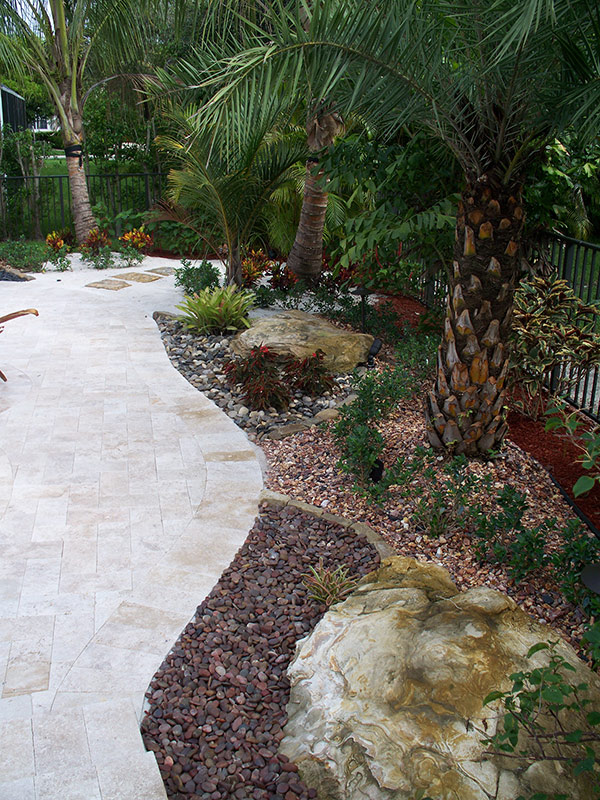
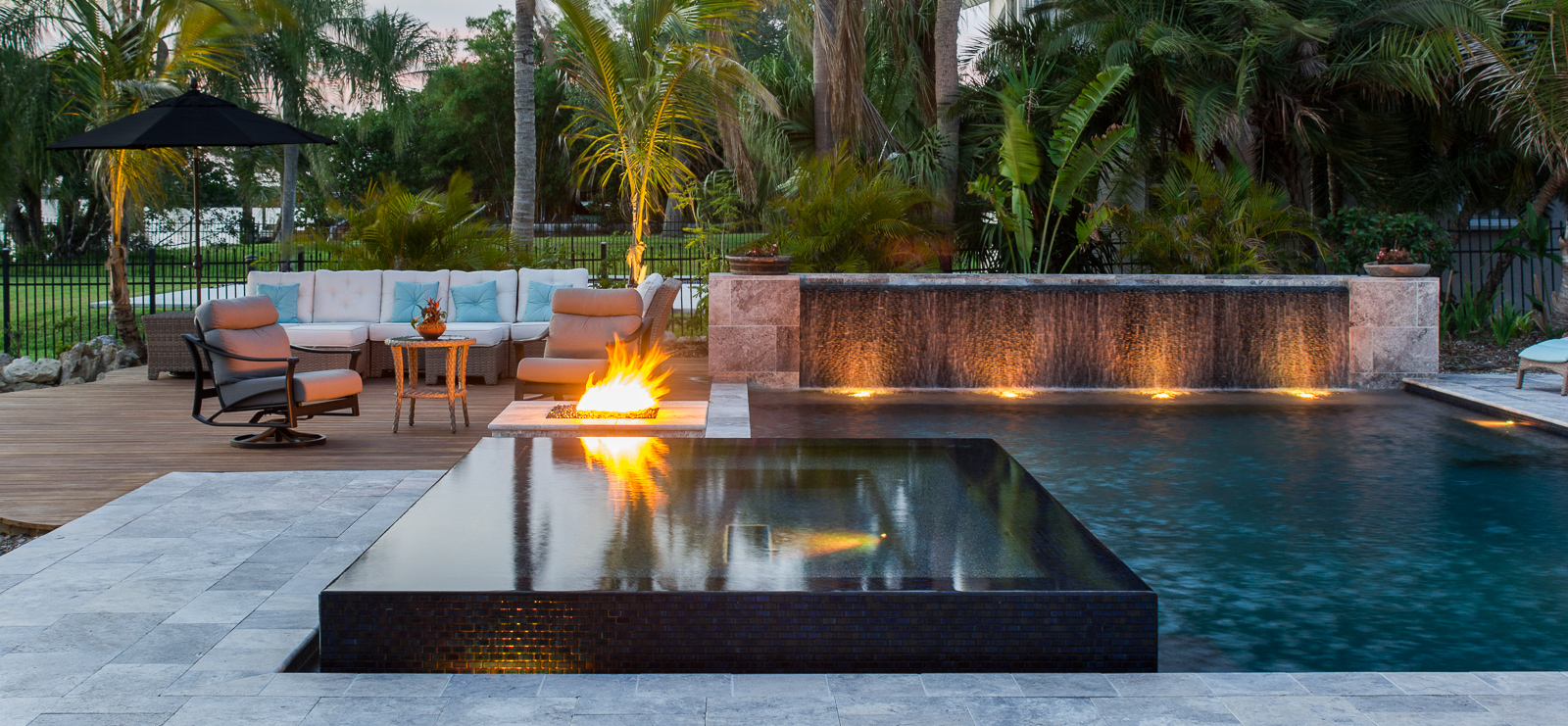
Hardscape Choices That Endure Southwest Florida Storms
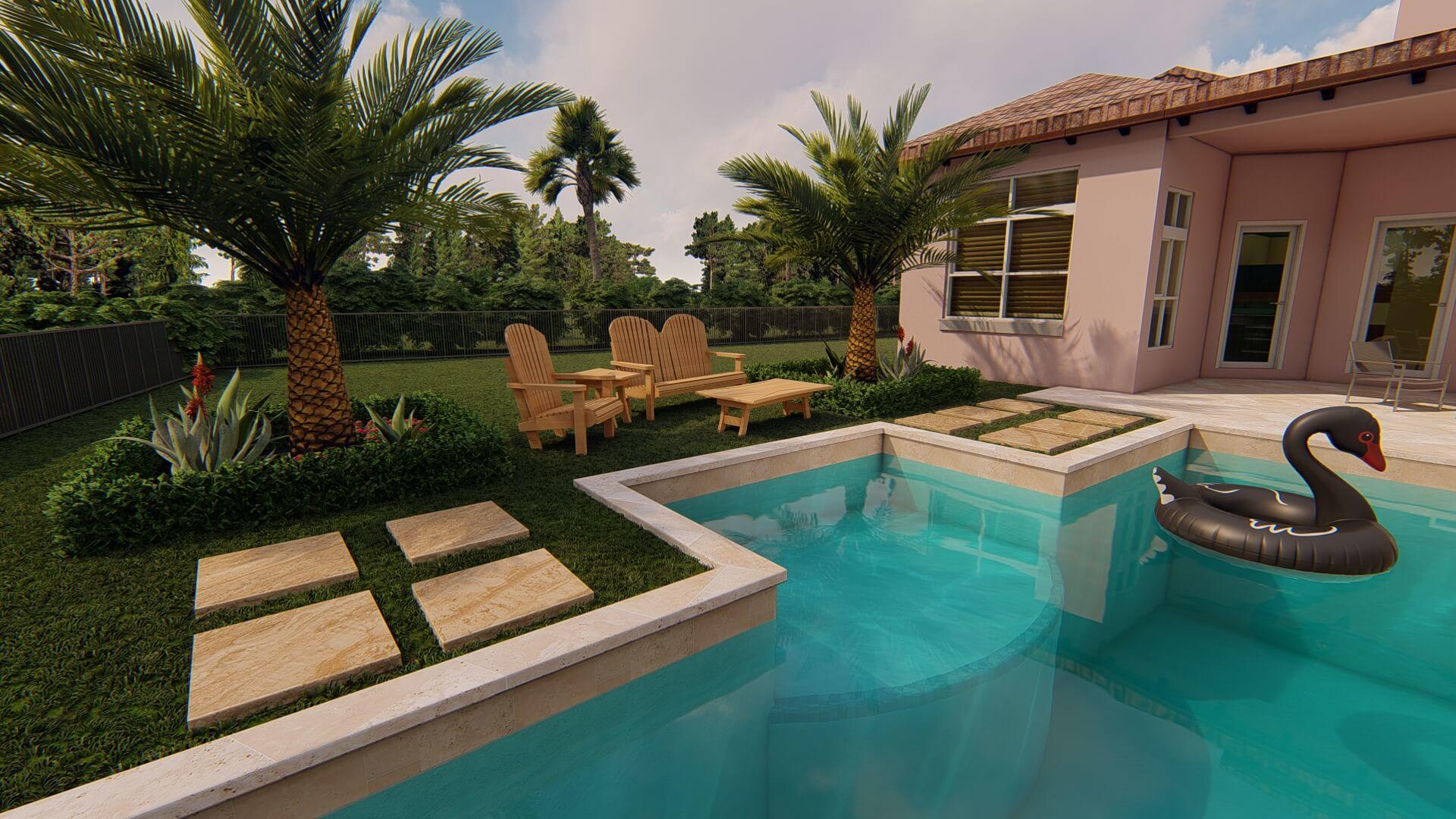
Strategic hardscaping reduces the need for plants in high-wind zones while creating functional outdoor living spaces that survive seasonal storms.
Recommended Hardscape Materials
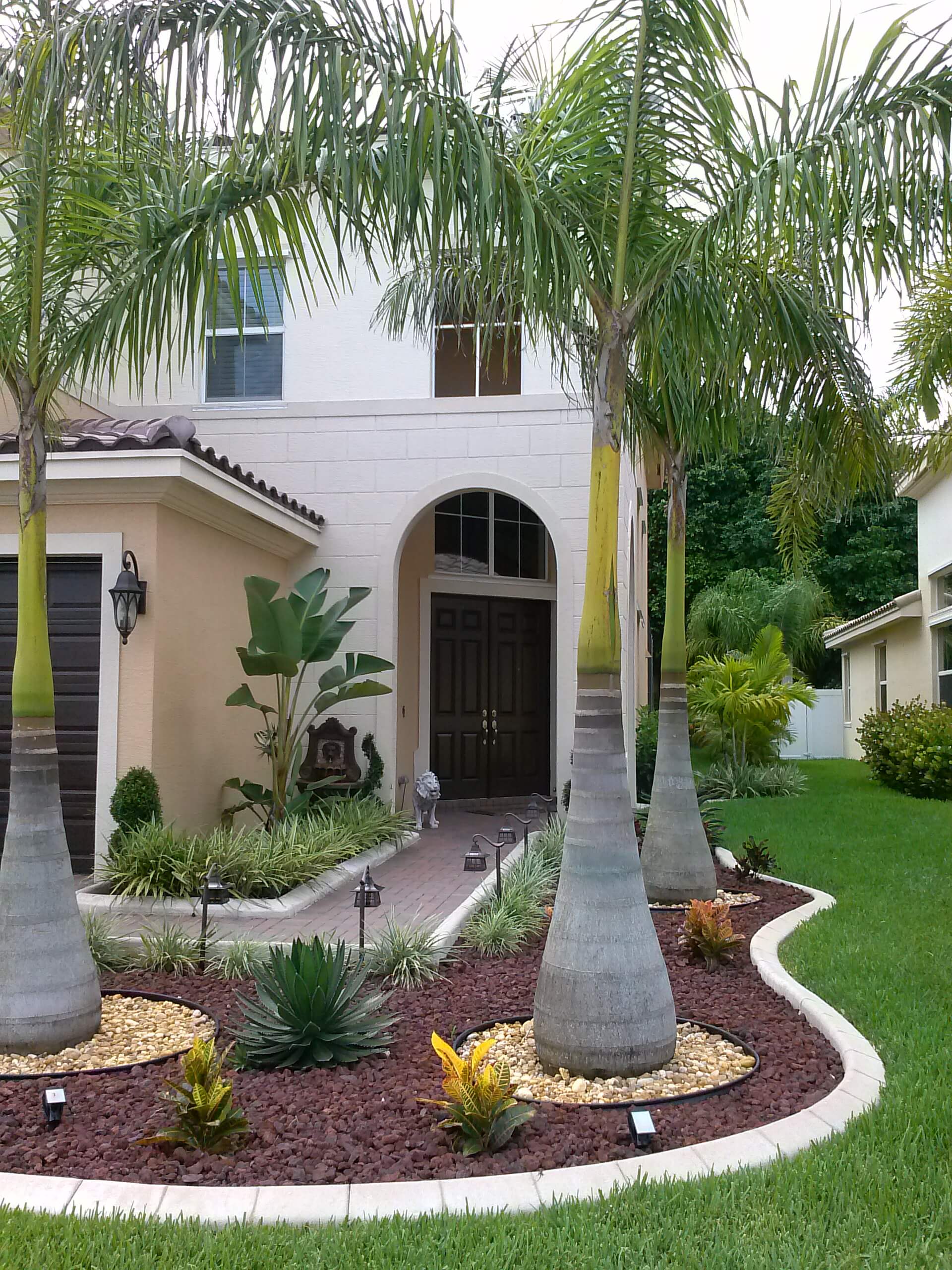
- Pervious Pavers: Allow water to drain through, reducing flooding and erosion while maintaining a clean, modern look.
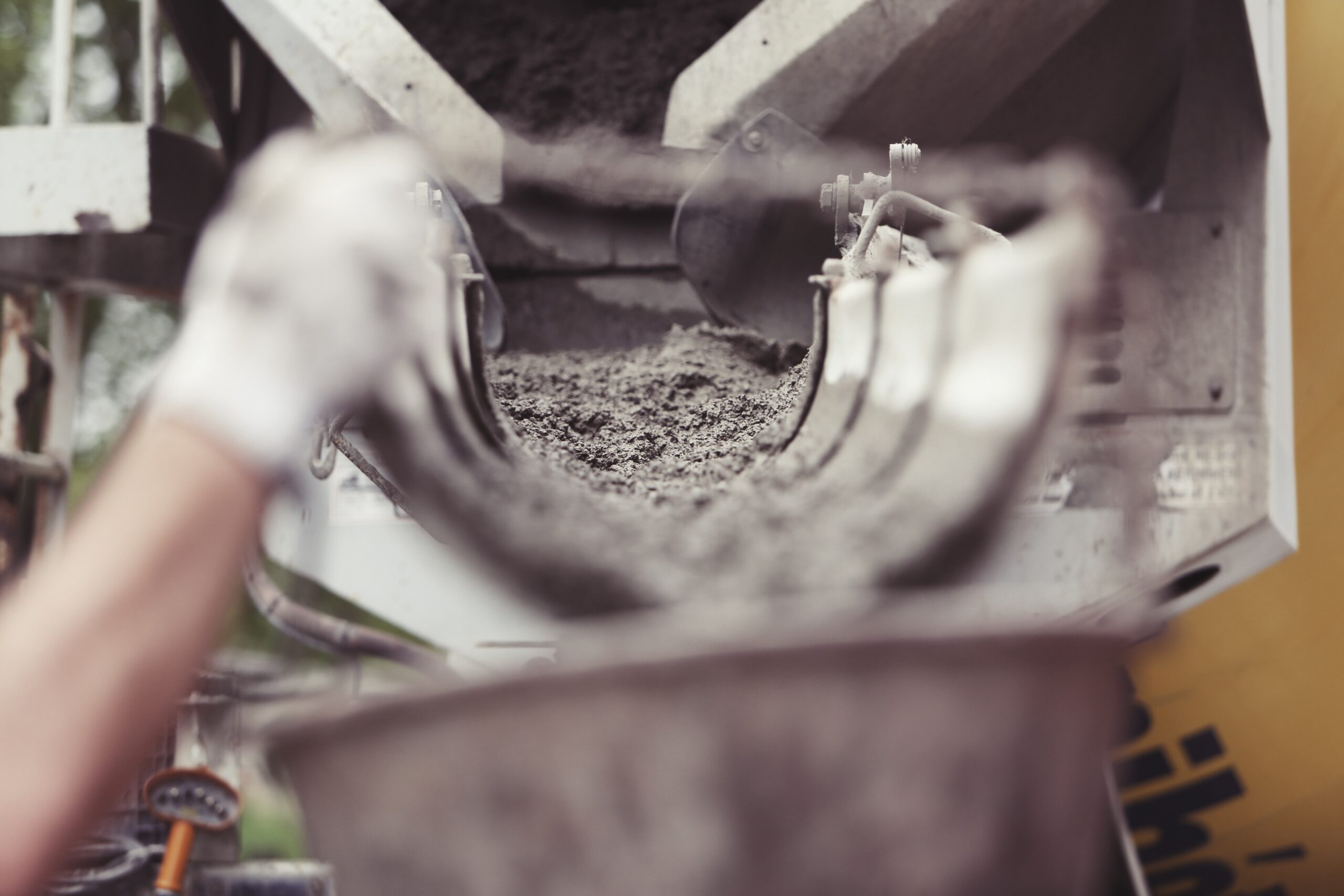
- Reinforced Concrete: Properly installed concrete patios and walkways withstand high winds and require minimal upkeep.
- Crushed Shell Pathways: A natural, locally sourced material that drains exceptionally well and complements Cape Coral’s coastal aesthetic.
- Impact-Rated Outdoor Kitchens and Structures: Built with reinforced framing and hurricane-rated materials for permanent outdoor living spaces.
Strategic Hardscape Placement
Position hardscape elements to protect vulnerable plantings and create wind corridors that direct airflow rather than creating damaging turbulence. Raised planters with secure retaining walls can protect sensitive plants while adding dimension to your design.
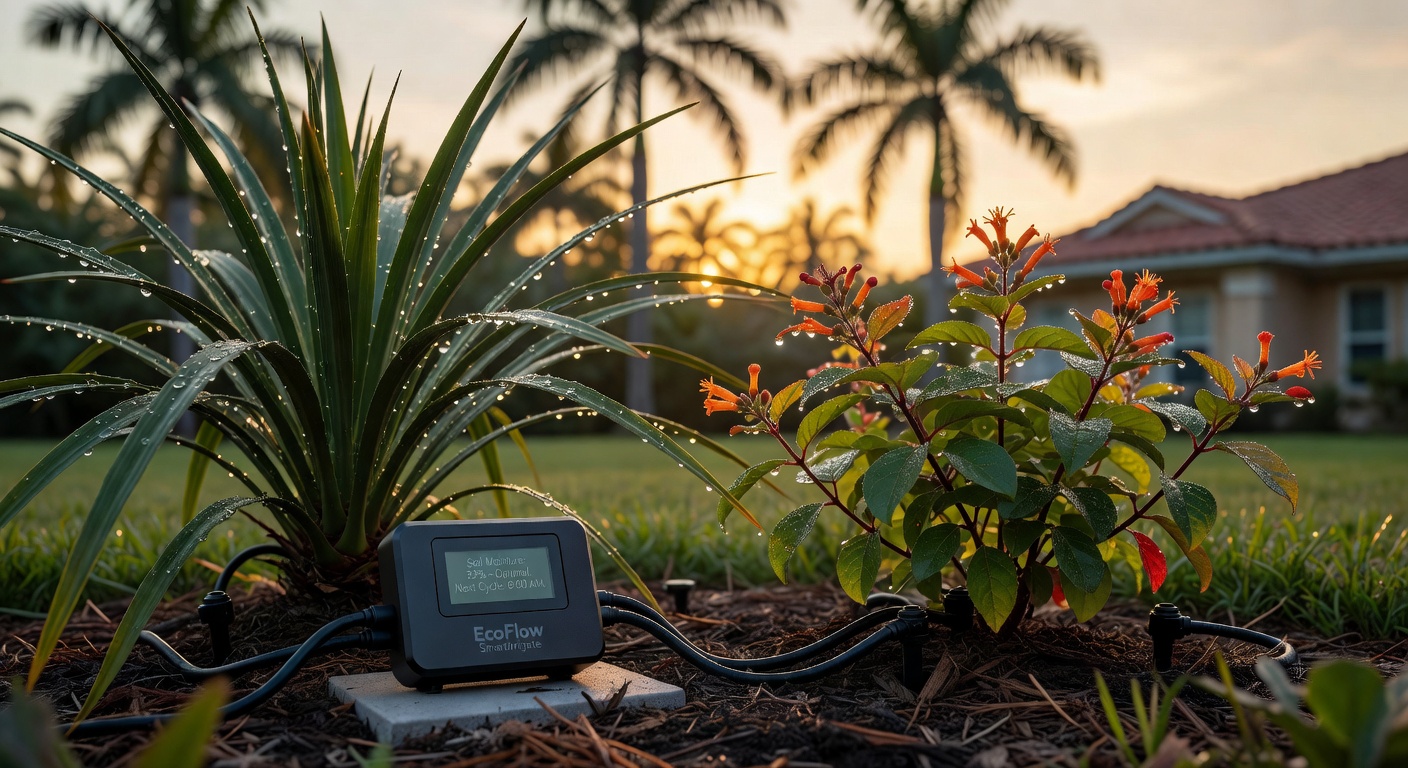
Smart Irrigation Systems for Cape Coral’s Climate
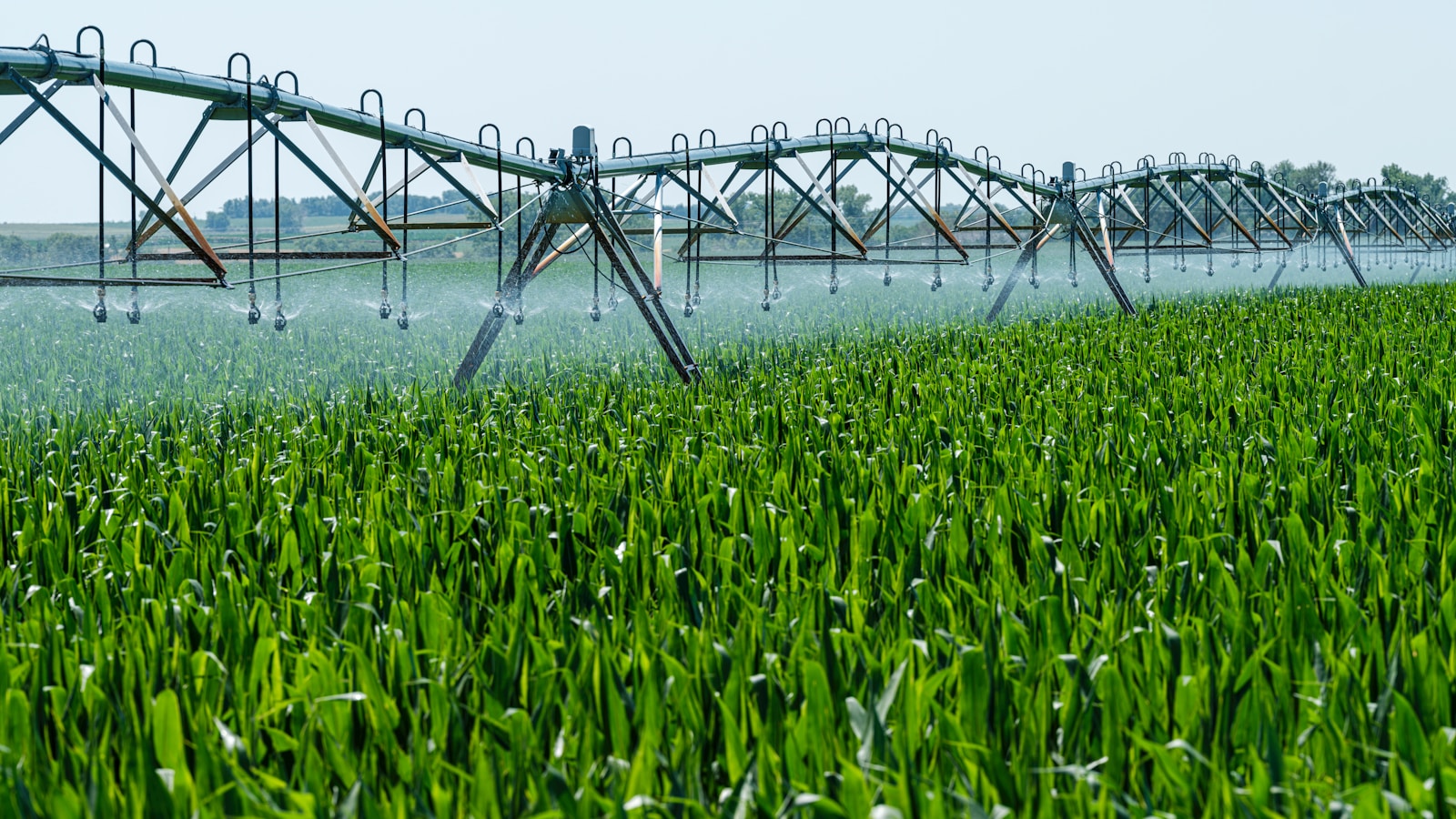
Proper irrigation is critical for plant establishment and resilience. Overwatering can weaken root systems, making plants more susceptible to wind damage.
Key Features of Hurricane-Resistant Irrigation Design
- Smart Controllers: Weather-responsive systems that adjust based on rainfall and wind conditions.
- Drip Irrigation: Targeted watering at the root zone reduces evaporation and fungal issues common in humid SWFL climates.
- Zone Separation: Separate zones for high-water and low-water plants, optimizing efficiency.
- Wind-Sensing Technology: Systems that automatically shut off during high winds to prevent misting and water waste.
Many Cape Coral homeowners are installing rainwater harvesting systems that collect roof runoff in cisterns for use during dry periods, reducing dependency on municipal water while providing a sustainable water source.
Landscape Design Strategies for Maximum Storm Resilience
Creating Wind Breaks and Protective Layers
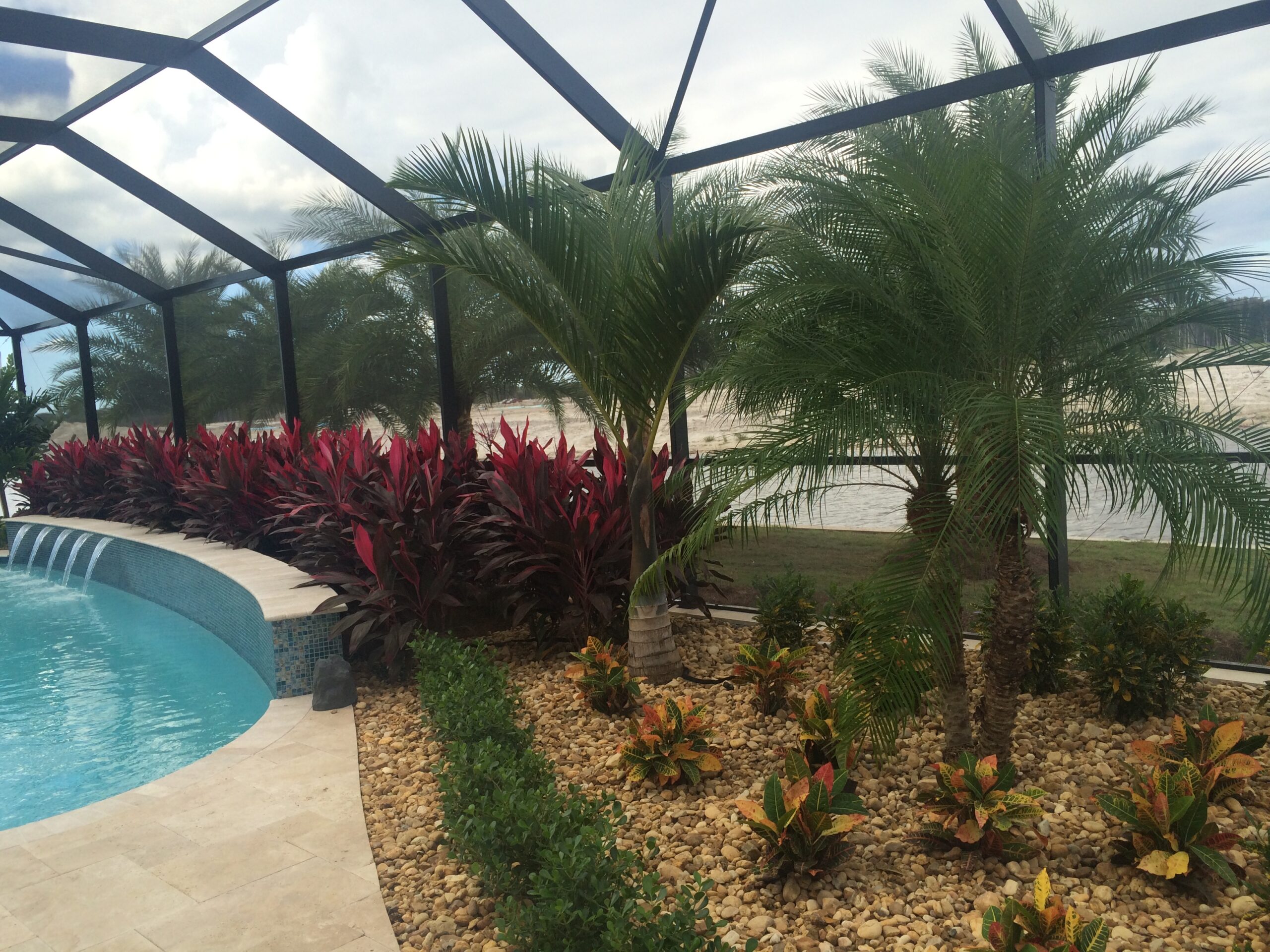
Strategic plant layering creates wind buffers. Taller, more wind-resistant trees and palms on the perimeter protect more vulnerable interior plantings. Curved bed lines and clustered plantings rather than straight rows help break up wind patterns.
Proper Pruning Techniques
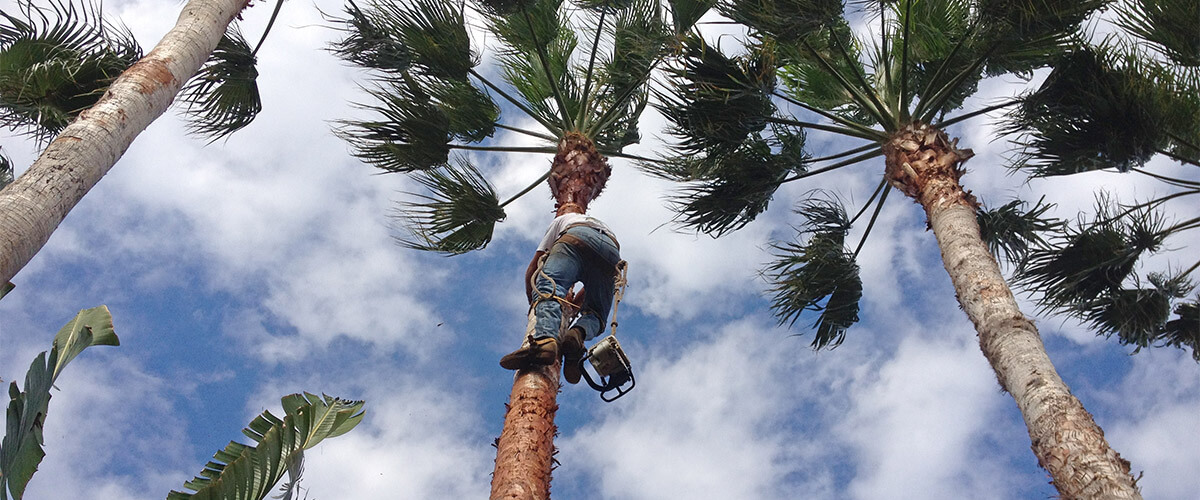
Regular professional pruning is essential for hurricane preparedness. Raising palm fronds, thinning tree canopies, and removing dead wood significantly reduces wind resistance and flying debris potential.
Soil Management and Root Development
Healthy soil leads to stronger root systems. In Cape Coral’s sandy soils, incorporating organic matter and using mycorrhizal inoculants helps plants develop the deep, extensive roots needed to anchor against high winds.
Low-Maintenance Features That Enhance Resilience
The most successful Cape Coral landscapes combine beauty with practicality. Consider these low-maintenance elements:
- Native plant communities that require minimal fertilization and pest control
- Mulched beds that suppress weeds and retain soil moisture
- Automated lighting systems with LED fixtures rated for coastal environments
- Minimal lawn areas replaced with groundcovers and hardscapes
Professional Installation and Maintenance Considerations
While DIY landscaping is popular, hurricane-resilient designs benefit from professional expertise. Certified landscape professionals familiar with Southwest Florida’s unique conditions can ensure proper installation of trees, drainage systems, and structural elements.
Regular maintenance contracts that include storm preparation and post-storm cleanup provide peace of mind and protect your landscape investment.
Conclusion: Beautiful, Resilient Landscapes for Cape Coral Homes
Creating a hurricane-resilient landscape doesn’t mean sacrificing beauty or increasing maintenance. By choosing appropriate native and adapted plants, incorporating durable hardscape elements, and implementing smart irrigation systems, Cape Coral homeowners can enjoy stunning outdoor spaces that withstand Southwest Florida’s challenging weather.
The most successful designs reflect both the natural coastal environment and individual homeowner preferences while prioritizing safety and sustainability. With thoughtful planning and professional execution, your Cape Coral landscape can remain an asset that enhances property value and provides enjoyment for years to come, regardless of what storm season brings.
Ready to create a resilient, beautiful landscape for your Cape Coral home? Contact the experts at Tri-County Landscape who understand the unique challenges and opportunities of Southwest Florida properties.