







Cape Coral Irrigation System Design and Installation Guide
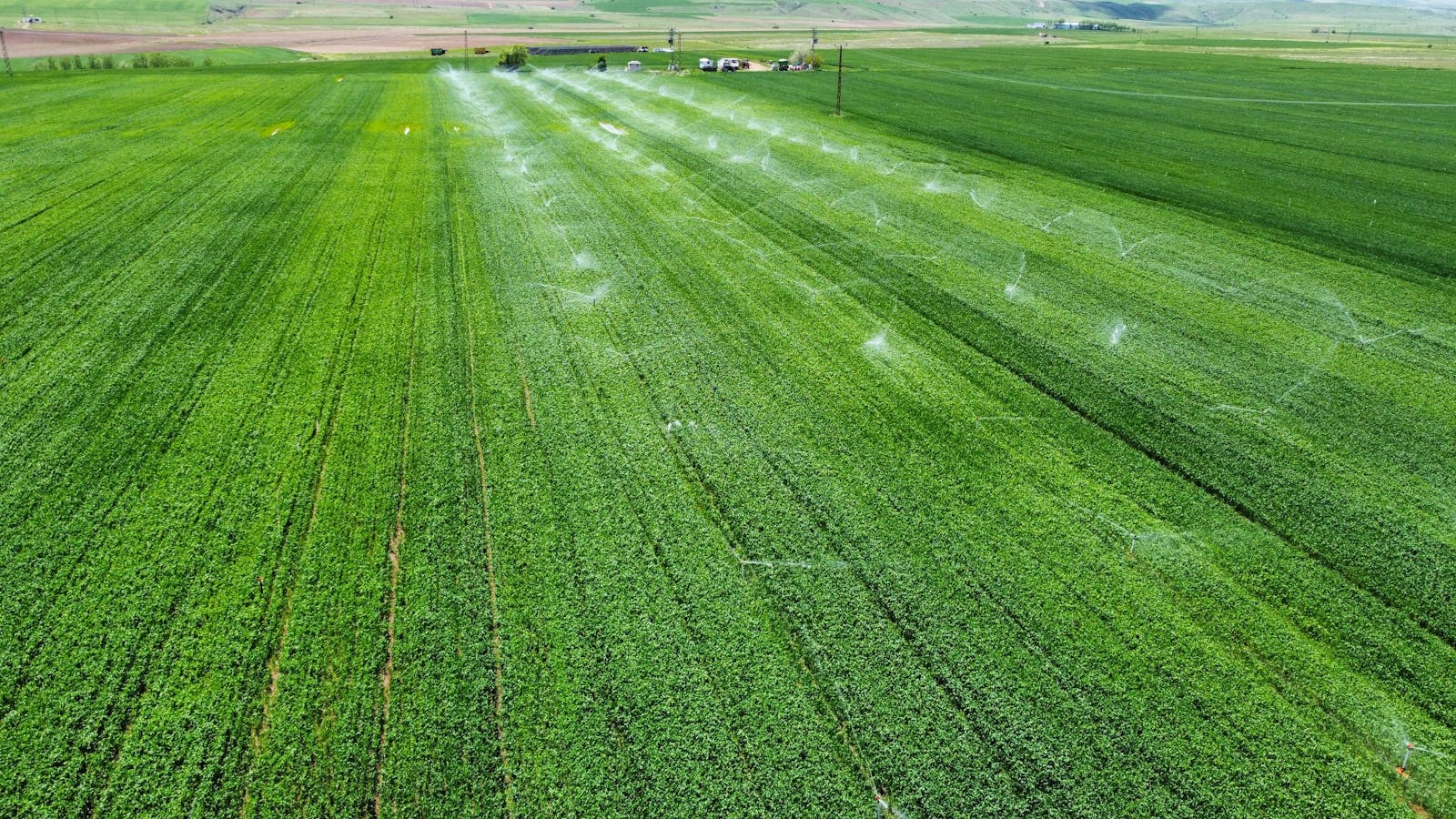
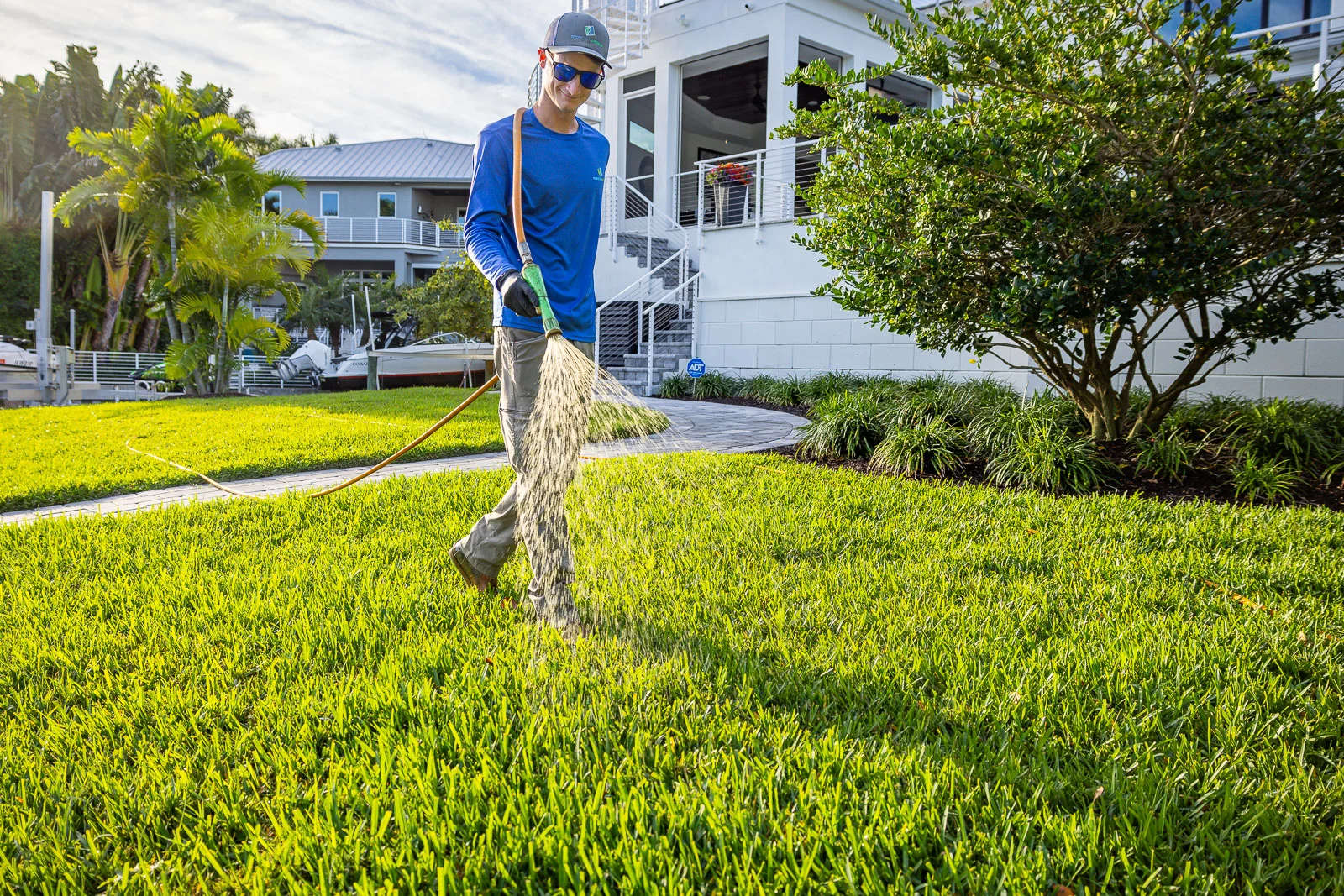
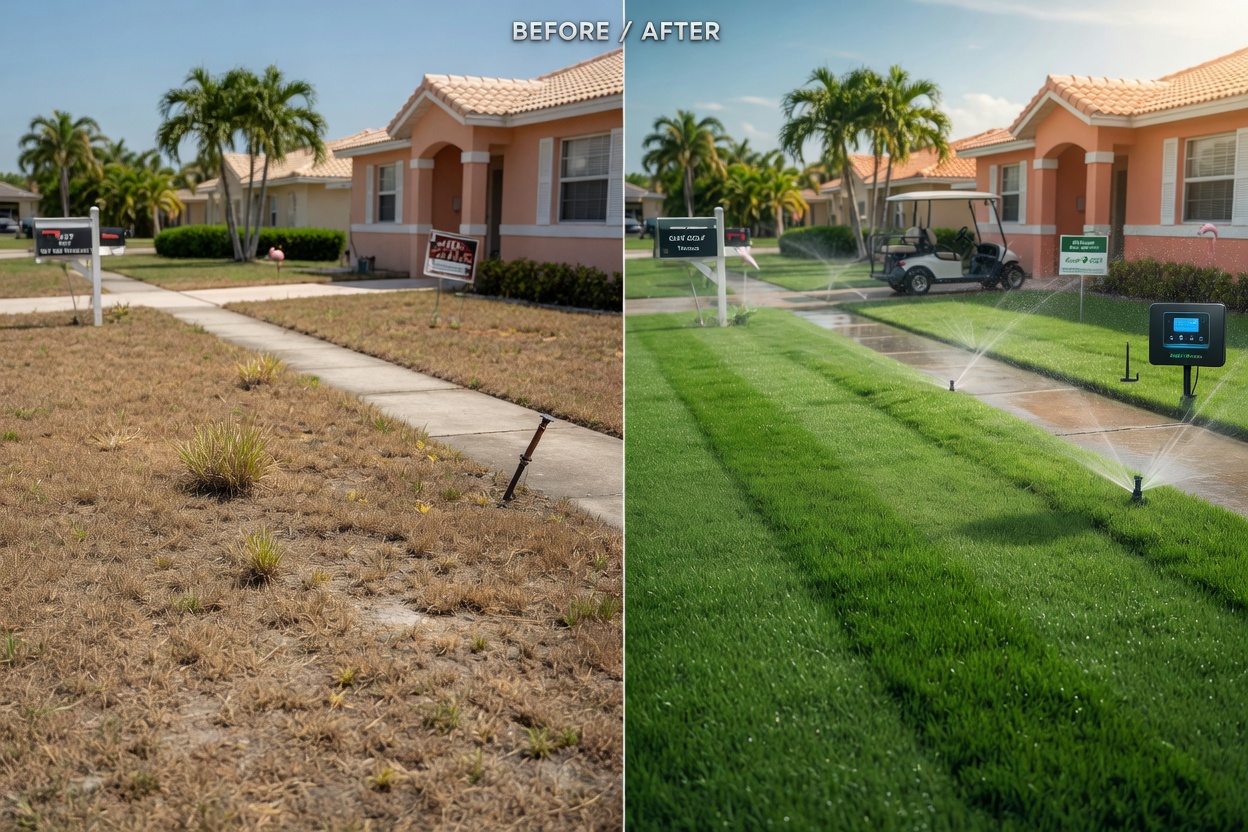
In the sunny paradise of Cape Coral, Florida, maintaining a lush, green lawn requires more than just occasional watering. With unique soil conditions, strict water regulations, and the constant challenge of balancing drought and storm seasons, having the right Cape Coral irrigation systems can make all the difference. This comprehensive guide explores everything homeowners need to know about designing, installing, and maintaining efficient irrigation systems that save water and money while complying with local regulations.
Whether you’re building a new home or upgrading an existing landscape, understanding smart irrigation Cape Coral solutions is essential for both environmental responsibility and long-term cost savings. Let’s dive deep into the world of landscape irrigation installation tailored specifically for Southwest Florida.
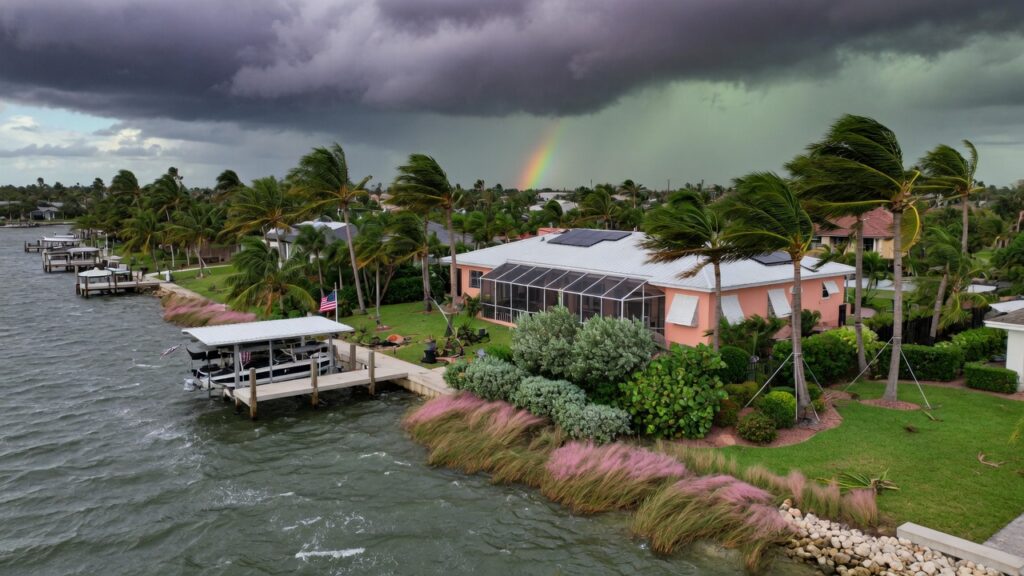
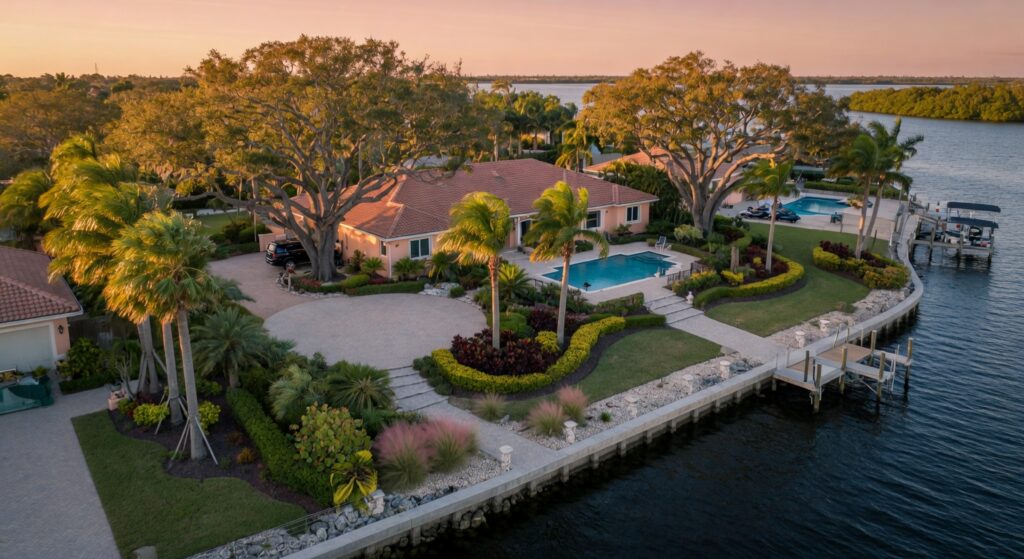
Image Grid 1



Understanding Irrigation Needs in Cape Coral
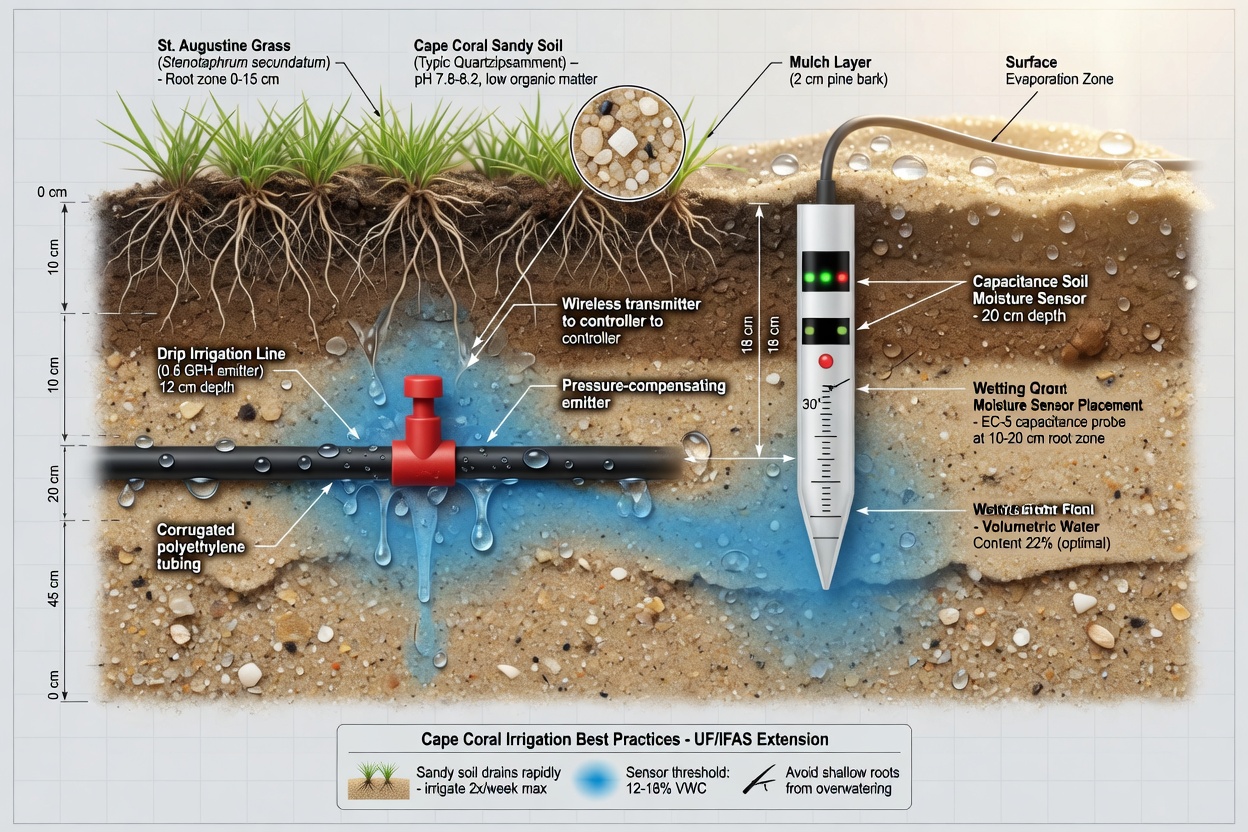
Cape Coral’s subtropical climate presents unique challenges for lawn and landscape care. With sandy soils that drain quickly, high evaporation rates, and seasonal weather patterns ranging from intense summer rains to occasional dry winters, irrigation must be carefully designed to meet the specific needs of local turfgrasses and plants.
According to the Southwest Florida Water Management District (SWFWMD), Cape Coral homeowners use approximately 60% of their household water outdoors. This statistic highlights the importance of water efficient landscaping Florida residents should prioritize. The most common turfgrass in Cape Coral is St. Augustine grass, which requires about ¾ inch of water per week during the growing season, though this varies significantly based on rainfall, temperature, and soil conditions.
Key factors affecting irrigation needs in Cape Coral include:
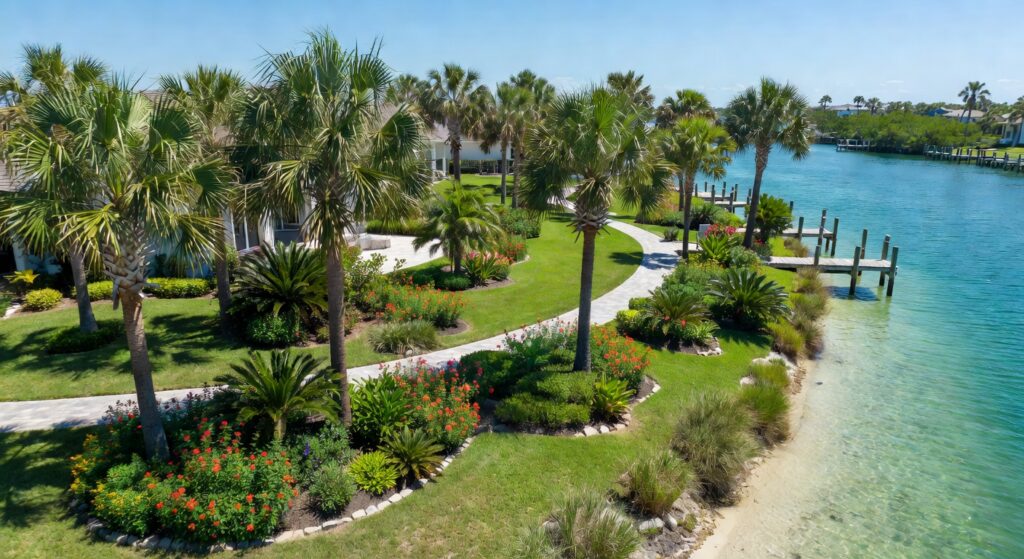
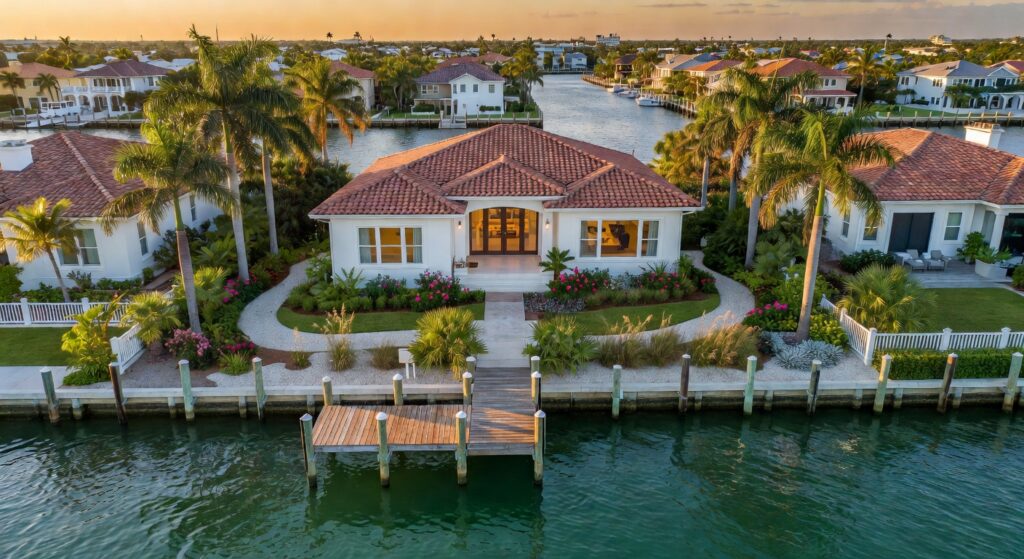
Image Grid 2


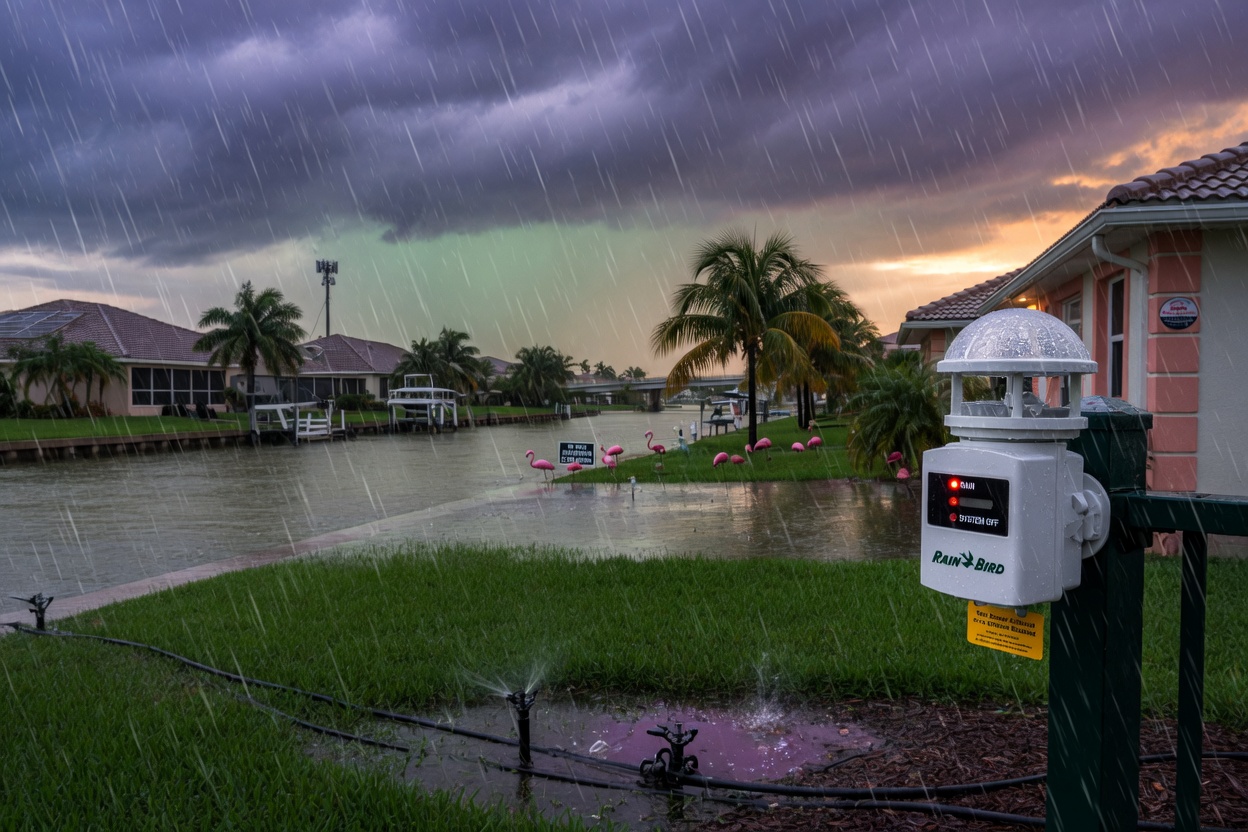

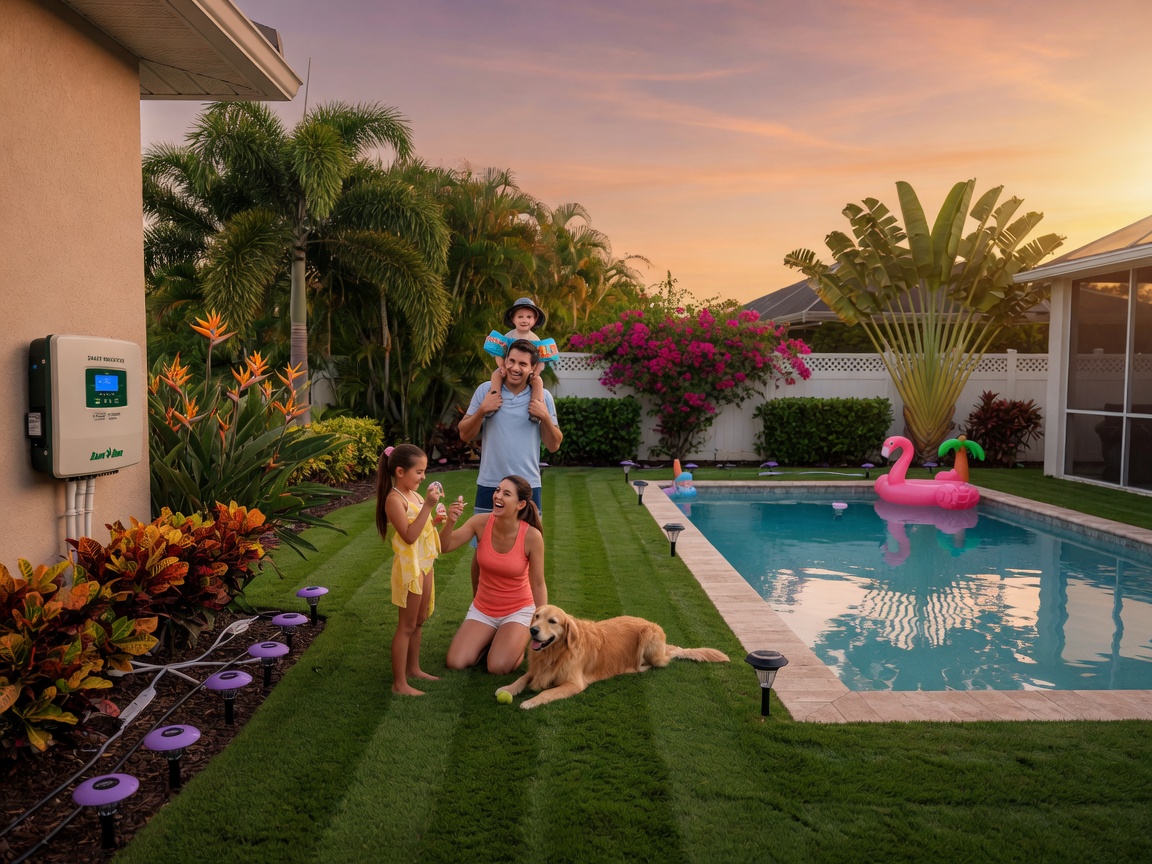
- Soil Composition: Predominantly sandy soils with low water retention require more frequent but shorter watering cycles.
- Water Source: Most properties use either city water or wells, each with different pressure and quality considerations.
- Local Regulations: Cape Coral follows strict watering restrictions that change seasonally.
- Landscape Design: Different zones for grass, shrubs, trees, and flower beds require individualized watering schedules.
Modern Cape Coral irrigation systems address these challenges through zoning, pressure regulation, and advanced technology that automatically adjusts to weather conditions and actual plant needs.
Types of Irrigation Systems Suitable for Cape Coral
When considering landscape irrigation installation in Cape Coral, homeowners typically choose between several system types:
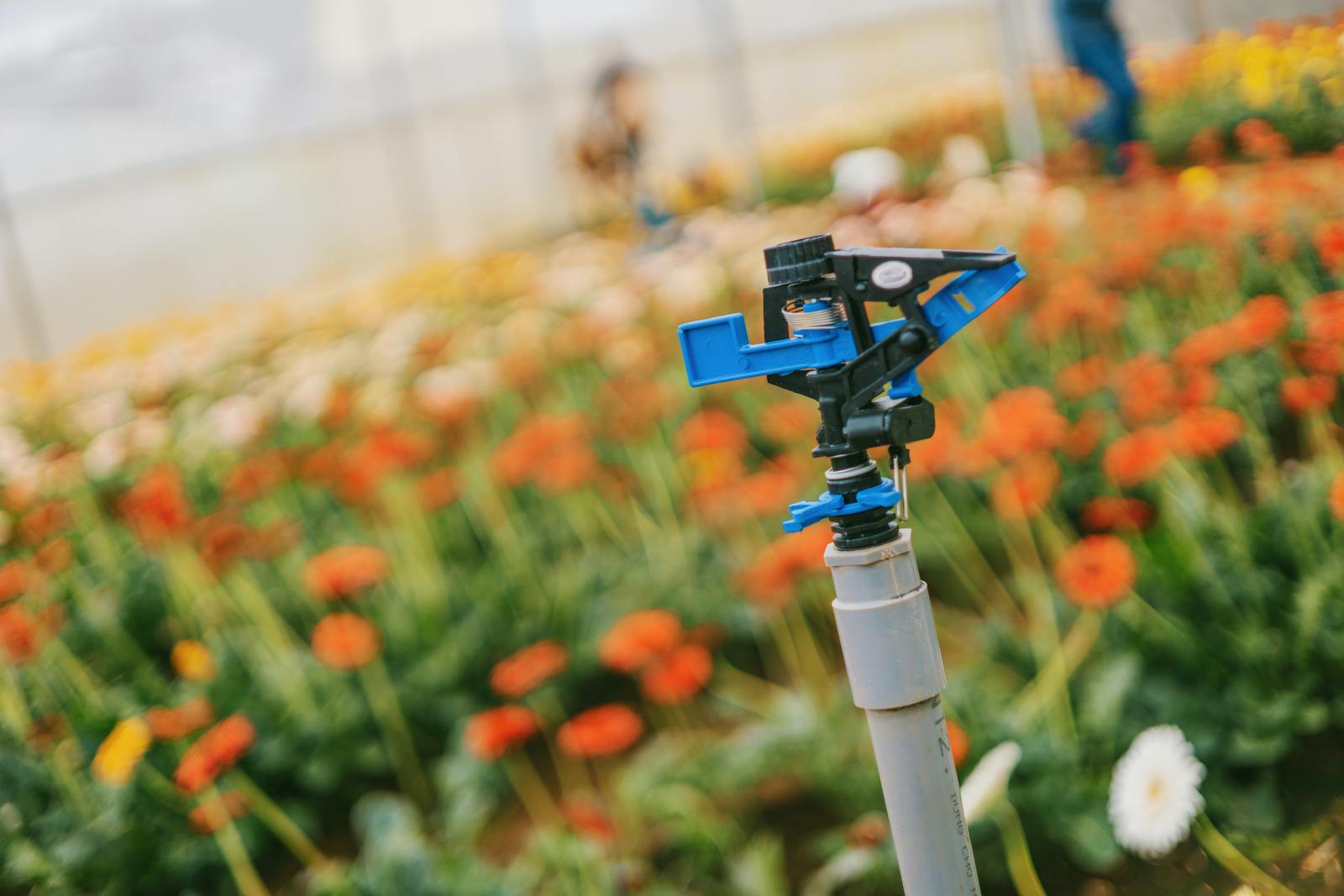
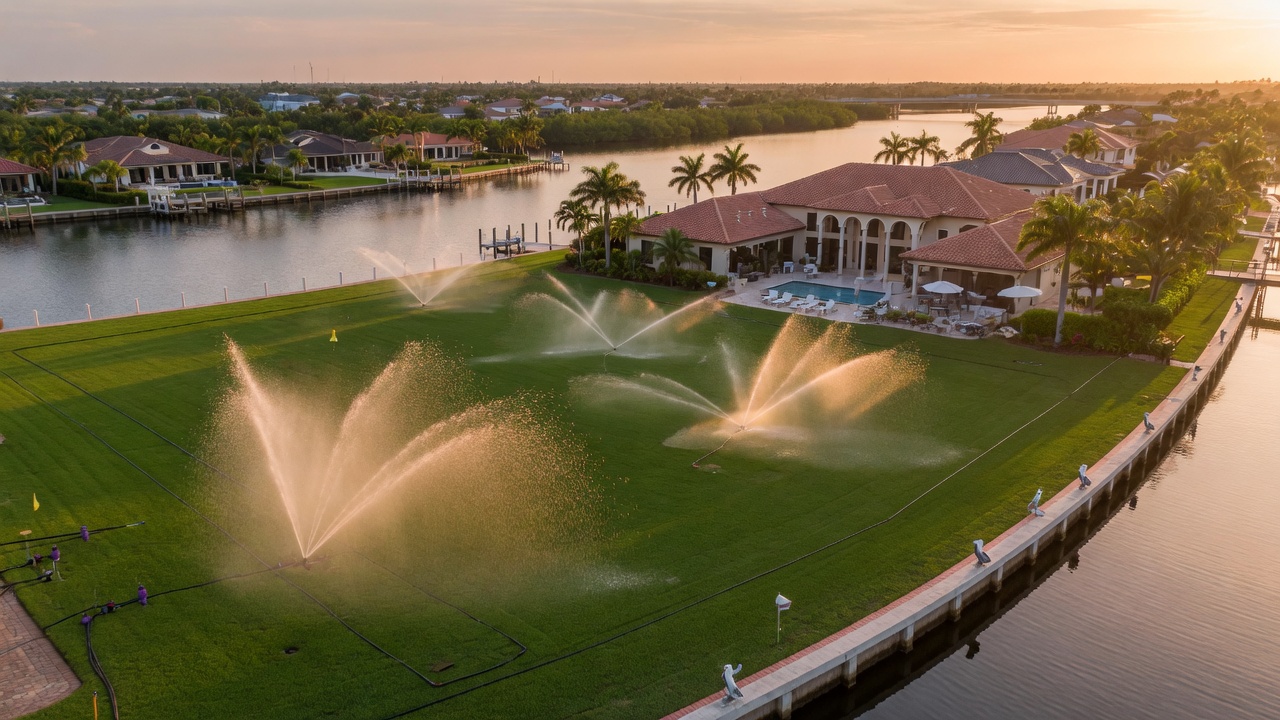
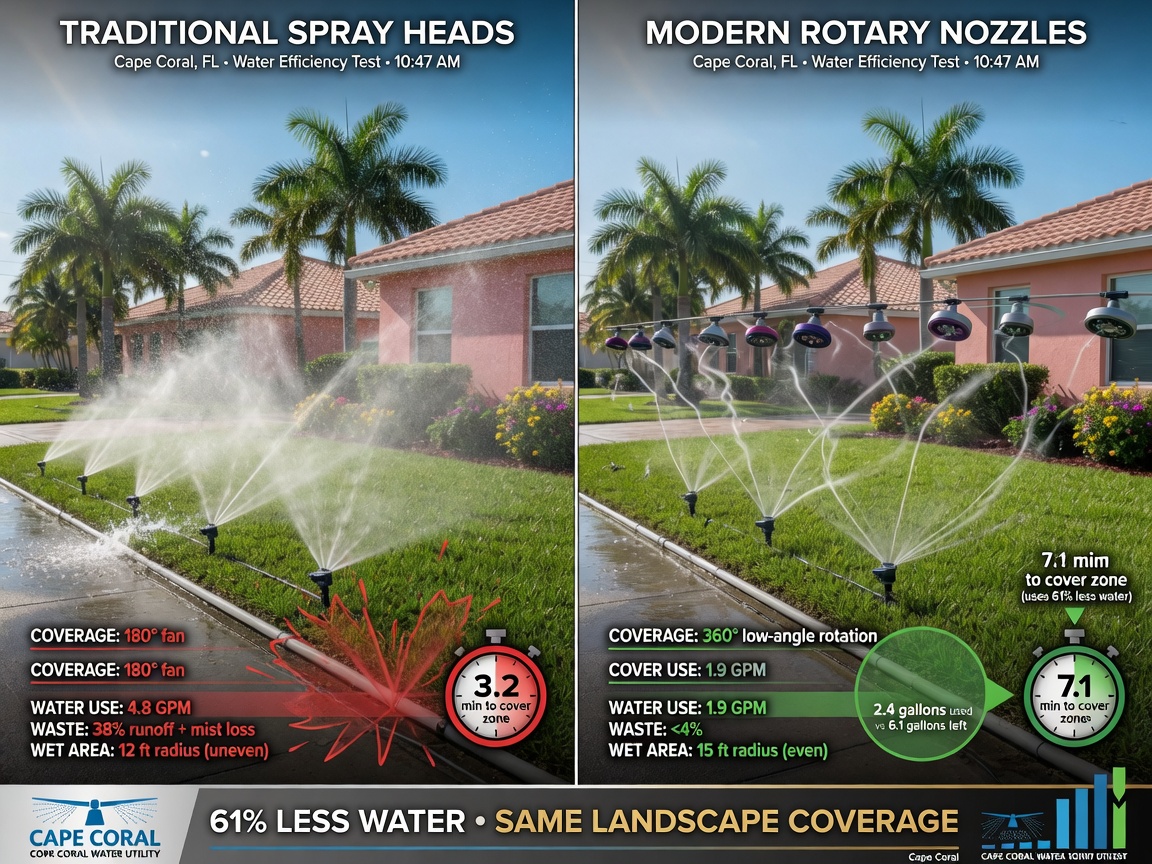
- Traditional Sprinkler Systems: In-ground systems with pop-up heads offering good coverage but potentially higher water usage.
- Drip Irrigation: Highly efficient for beds and shrubs, delivering water directly to root zones with minimal evaporation.
- Rotary Nozzle Systems: More efficient than traditional spray heads, reducing water waste through slower application rates.
- Micro-spray Systems: A hybrid option providing targeted watering for specific landscape areas.
The most effective installations often combine multiple types to create a comprehensive water efficient landscaping Florida solution tailored to each property’s unique layout.
Smart Controllers and Technology Options
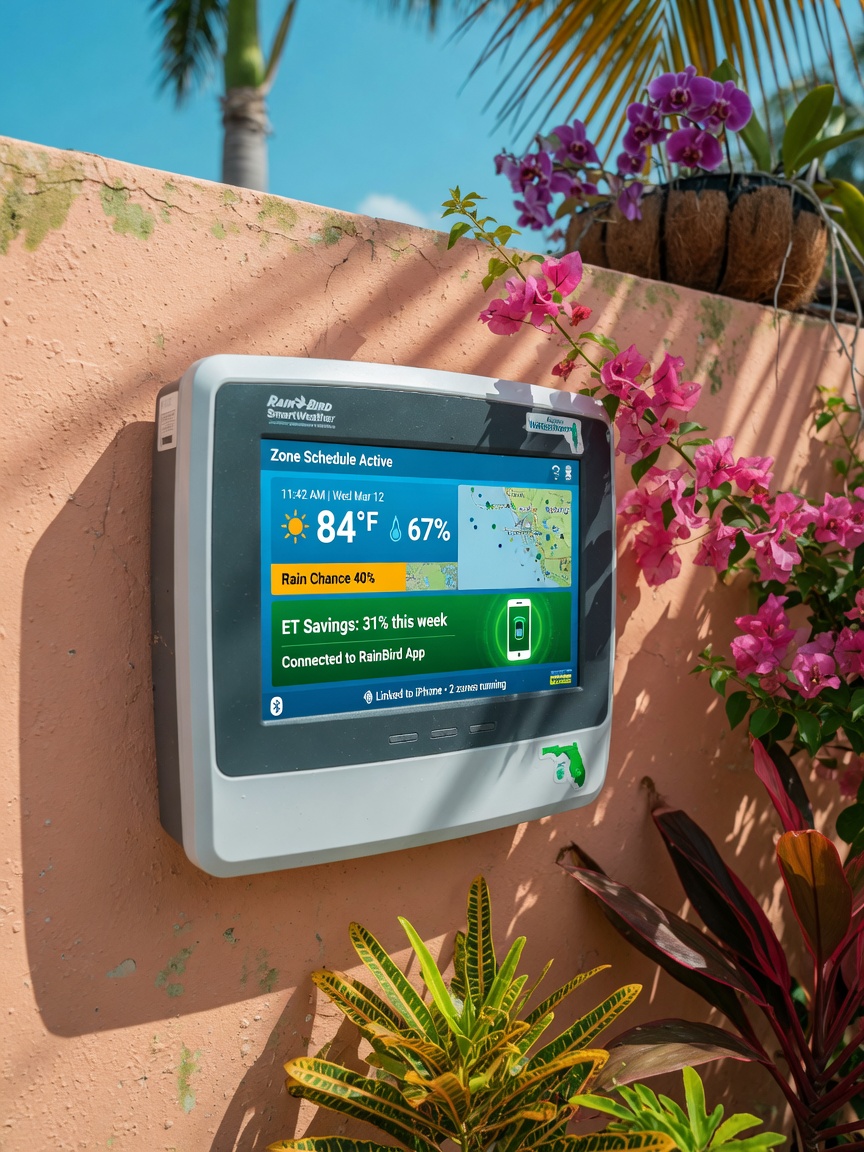
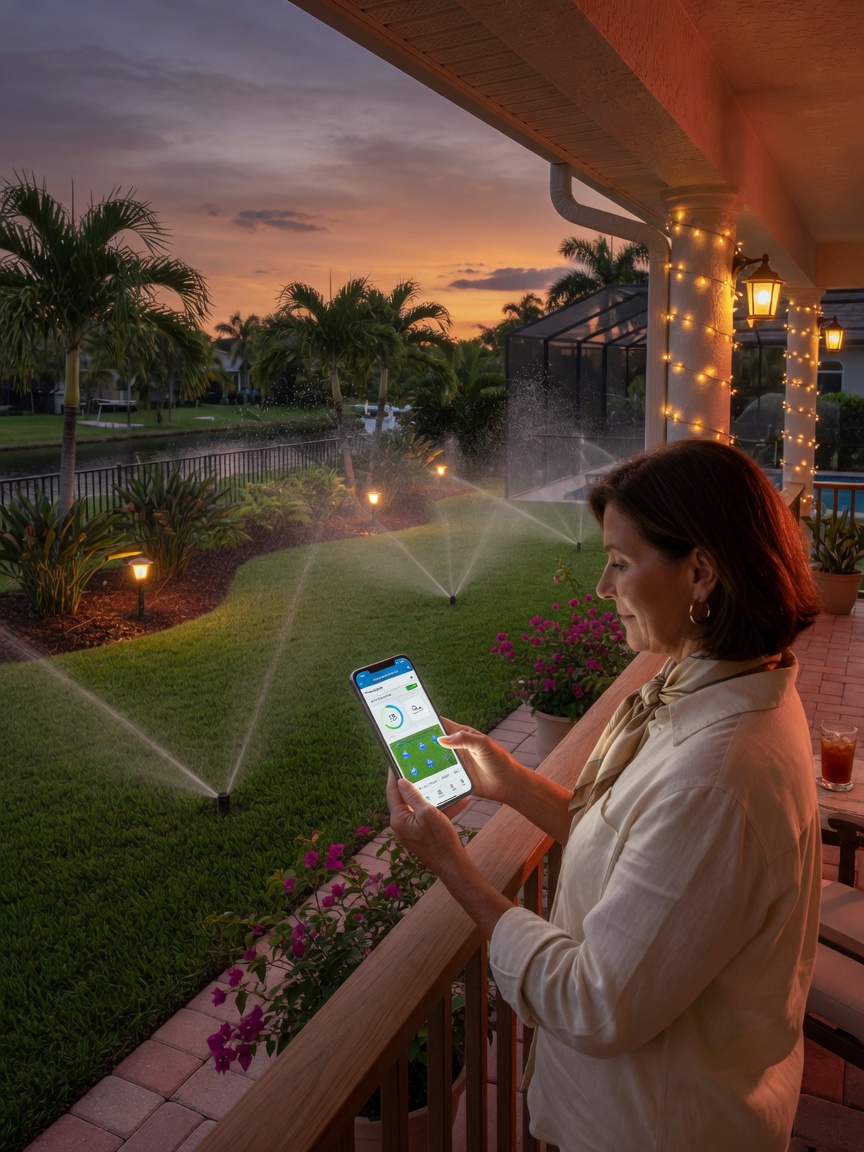
Smart irrigation Cape Coral has transformed how residents manage their landscapes. Today’s smart controllers use real-time data to optimize watering schedules, potentially reducing water usage by 30-50% compared to traditional timers.
Weather-Based Smart Controllers
These systems connect to local weather stations or use on-site sensors to adjust watering based on rainfall, temperature, humidity, and evapotranspiration rates. Popular models suitable for Cape Coral include:
- Rachio Smart Sprinkler Controller
- Hunter Hydrawise
- Orbit B-hyve
- Rain Bird ST8-WiFi
These controllers can be managed through smartphone apps, allowing homeowners to monitor and adjust their Cape Coral irrigation systems from anywhere.
Soil Moisture Sensors
Installed in the root zone, these sensors provide direct feedback about actual soil moisture levels, preventing overwatering. When combined with smart controllers, they create highly efficient systems that only activate when necessary.
Flow Sensors and Leak Detection
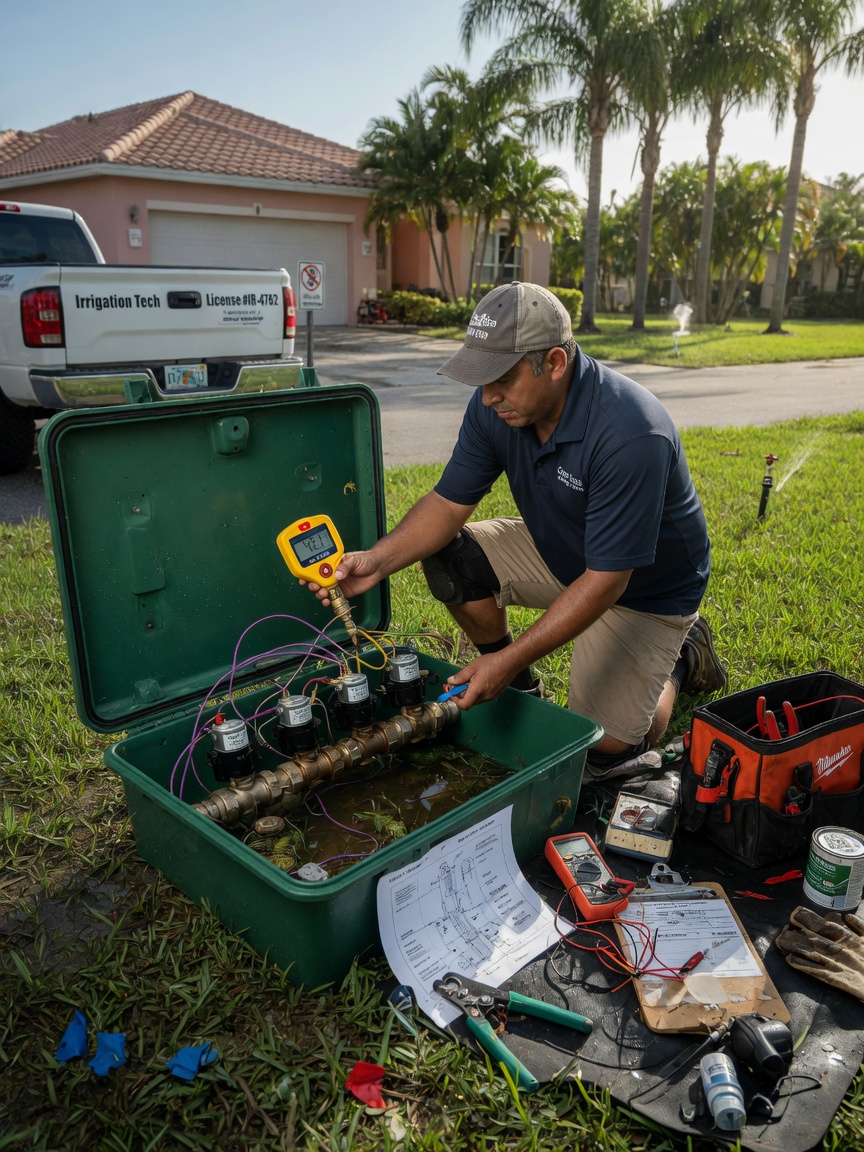
Advanced systems include flow monitoring that can detect leaks, broken pipes, or malfunctioning heads. This technology not only conserves water but can prevent costly damage to your property.
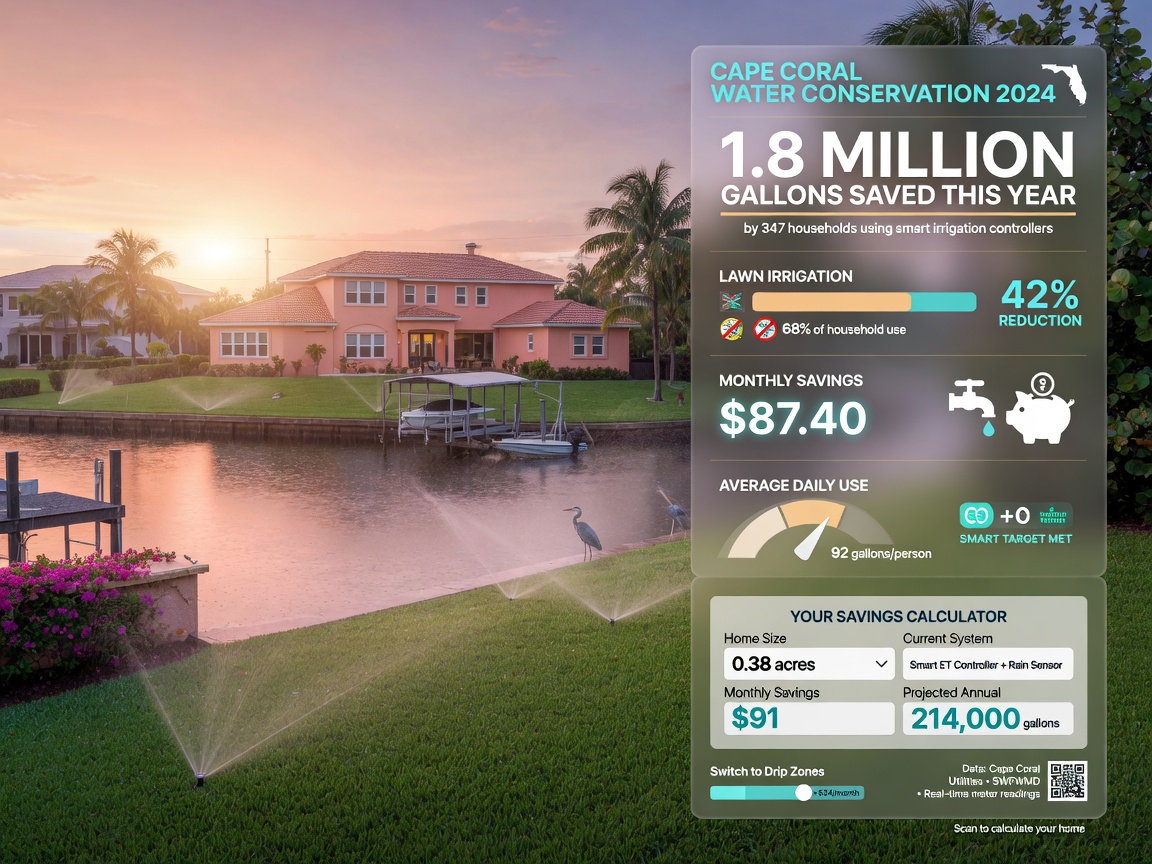
Water Bill Savings Data: According to studies by the Irrigation Association, homes with smart irrigation systems in Florida see average annual savings of $200-$500 on water bills. In Cape Coral, where water rates continue to rise, these savings can be even more significant. A typical ¼-acre lot using a smart system may save up to 15,000 gallons of water per month during peak season.
Designing Florida-Friendly Irrigation Systems
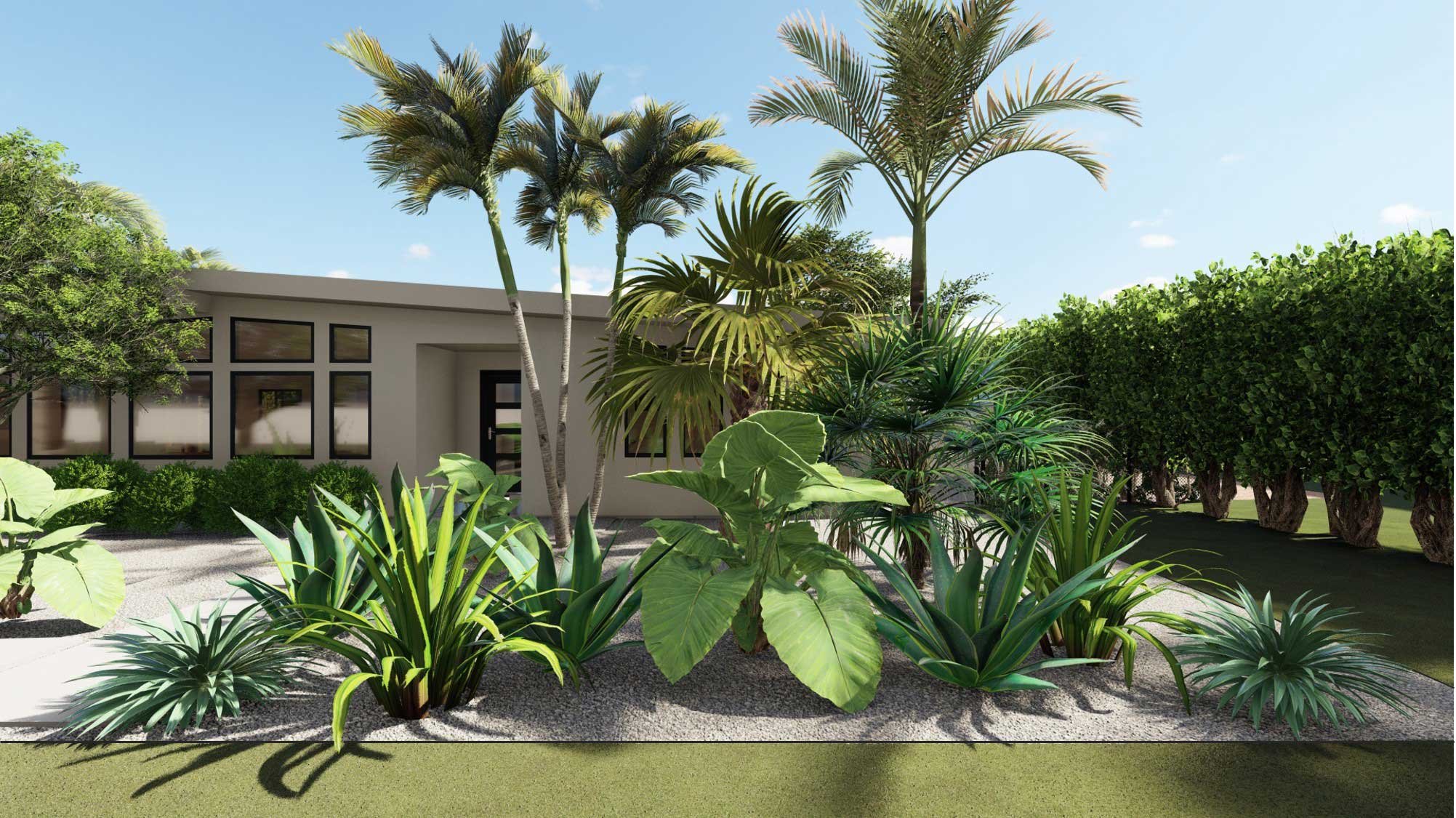
Creating a water efficient landscaping Florida design requires understanding the principles of Florida-Friendly Landscaping™ developed by the University of Florida IFAS Extension. These nine principles guide sustainable landscape practices throughout the state.
For Cape Coral properties, key design considerations include:
- Grouping plants with similar water needs together (hydrozoning)
- Using appropriate plant selections for our coastal environment
- Incorporating mulch to reduce evaporation
- Creating proper slopes to prevent runoff
- Selecting appropriate sprinkler types for each zone
Professional landscape irrigation installation should always begin with a thorough site analysis, including soil testing, measuring water pressure, and creating a detailed irrigation plan that accounts for all these factors.
Installation Process Step by Step
Understanding the landscape irrigation installation process helps homeowners make informed decisions and better communicate with contractors. Here’s what to expect:
Step 1: Initial Consultation and Site Assessment
A qualified irrigation specialist will visit your property to assess soil conditions, measure water pressure and flow rates, evaluate sun exposure, and discuss your landscaping goals. This assessment forms the foundation for system design.
Step 2: System Design and Planning
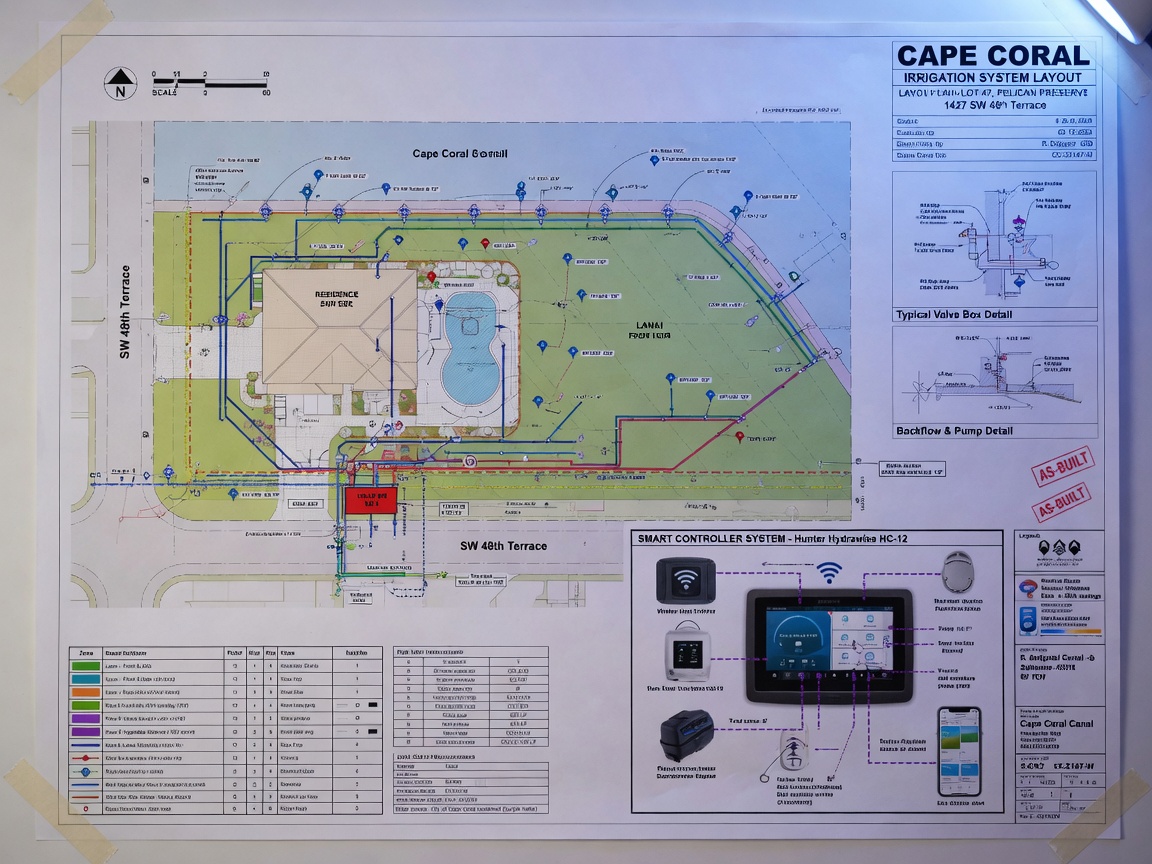
Using specialized software, the designer creates a detailed plan showing sprinkler head placement, zoning, pipe routing, and controller location. This plan should include calculations for precipitation rates and ensure head-to-head coverage while minimizing overspray.
Step 3: Permitting
In Cape Coral, irrigation installations typically require permits from the city. Your contractor should handle this process, ensuring the design complies with all local water conservation codes.
Step 4: Trenching and Pipe Installation
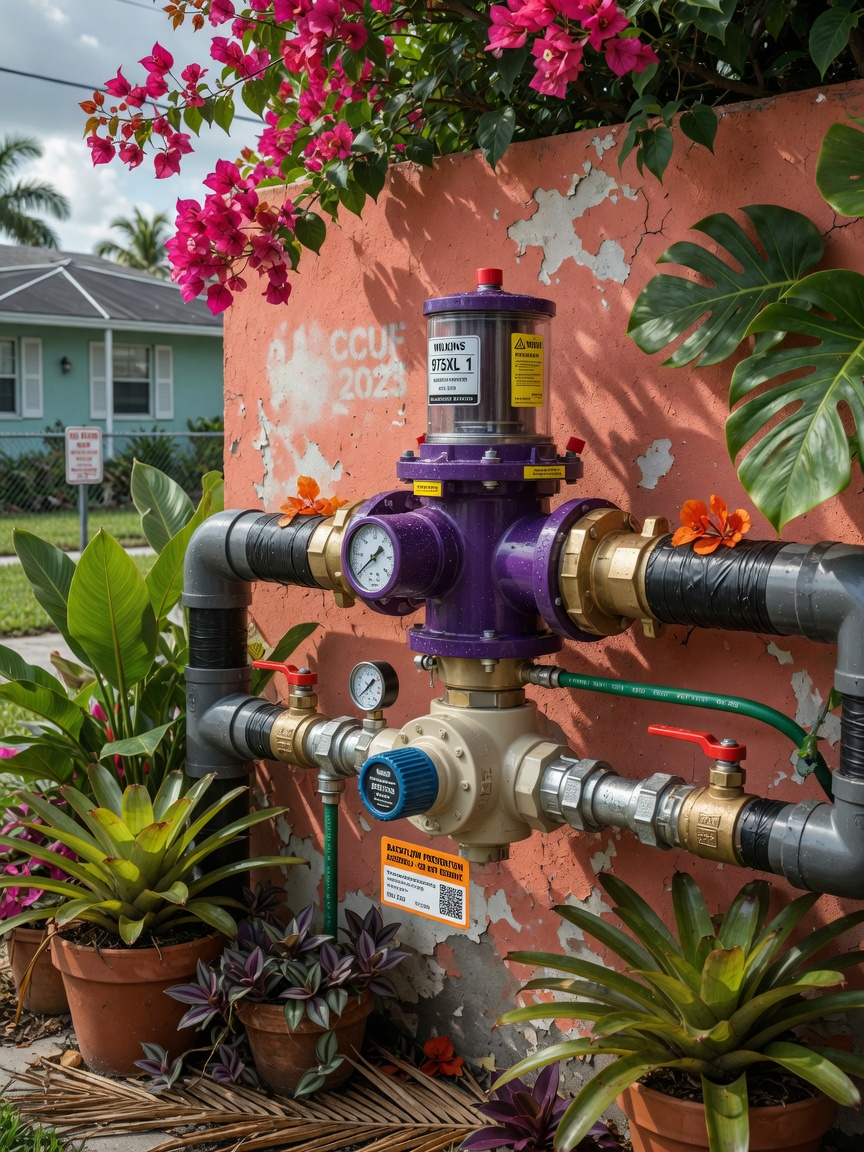
Trenches are dug approximately 10-12 inches deep for main lines and laterals. PVC piping is installed with proper glue and primer, along with necessary valves and backflow prevention devices.
Step 5: Installing Irrigation Heads and Components
Sprinkler heads, drip lines, and emitters are installed according to the design plan. Proper nozzle selection and head adjustment are critical for efficiency.
Step 6: Installing the Smart Controller
The control box is mounted, wired to the valves, and connected to WiFi. Sensors are placed in appropriate locations for optimal performance.
Step 7: System Testing and Adjustments
Each zone is tested for coverage, pressure, and leaks. Heads are adjusted to prevent overspray onto buildings, sidewalks, or streets. The system is programmed with initial watering schedules.
Step 8: Final Walkthrough and Education
The contractor should explain system operation, maintenance requirements, and smart controller features. You’ll receive a complete irrigation as-built diagram and warranty information.
Cost Comparisons: Investment vs. Long-Term Savings
Understanding the financial aspects of Cape Coral irrigation systems helps homeowners make informed decisions. Typical costs for a professionally installed system in Cape Coral range from:
- Basic system for 5,000 sq ft: $2,500-$3,800
- Mid-range smart system for 10,000 sq ft: $4,200-$6,500
- Premium smart system with sensors for larger properties: $7,000-$12,000+
While these numbers may seem substantial, the return on investment typically occurs within 2-4 years through reduced water bills, healthier landscapes, and increased property values. Many Cape Coral homeowners report 40% reductions in water consumption after upgrading to smart irrigation systems.
Water Conservation Compliance in Cape Coral
Cape Coral has specific regulations designed to promote water conservation. Understanding these rules is essential for compliant and efficient irrigation.
Current Watering Restrictions
Cape Coral follows the Southwest Florida Water Management District’s seasonal restrictions. During the wet season (typically June 1 through November 30), landscape irrigation is limited to specific days and times. The dry season (December 1 through May 31) has different parameters.
Smart controllers automatically adjust to these changing regulations, making compliance effortless for homeowners.
Water Conservation Techniques
Beyond regulatory compliance, effective water efficient landscaping Florida techniques include:
- Using rain sensors or weather-based controllers
- Implementing cycle and soak programming to prevent runoff
- Regular system audits and maintenance
- Using appropriate mulch depths
- Selecting drought-tolerant plant varieties
Maintenance Tips for Longevity
Even the most sophisticated Cape Coral irrigation systems require regular maintenance to operate efficiently. Following these guidelines will extend the life of your system and maintain optimal performance:
Seasonal Maintenance Checklist
- Spring: System startup, check for winter damage, adjust for increasing water needs
- Summer: Monthly inspections for clogged nozzles, monitor for leaks during heavy rains
- Fall: Adjust schedules for decreasing water needs, check rain sensor function
- Winter: Insulate above-ground components if temperatures drop, perform comprehensive system audit
Professional Maintenance
Most experts recommend professional irrigation inspections twice per year. These services typically include pressure testing, nozzle cleaning or replacement, valve inspection, and controller programming updates.
Homeowner Checklist for Irrigation Projects
Use this comprehensive checklist when planning your Cape Coral irrigation system project:
- ☐ Verify contractor licensing and insurance
- ☐ Request references from recent Cape Coral installations
- ☐ Ensure design includes smart controller technology
- ☐ Confirm compliance with Cape Coral and SWFWMD regulations
- ☐ Request detailed water usage projections
- ☐ Ask about warranty coverage (parts and labor)
- ☐ Understand ongoing maintenance requirements
- ☐ Request as-built drawings after installation
- ☐ Schedule post-installation training on system operation
- ☐ Consider adding soil moisture sensors for maximum efficiency
Conclusion: Investing in Sustainable Landscape Irrigation
Selecting and installing the right Cape Coral irrigation systems represents a significant investment in both your property’s appearance and long-term sustainability. By choosing smart irrigation Cape Coral solutions designed with water efficient landscaping Florida principles in mind, homeowners can enjoy beautiful landscapes while significantly reducing water consumption and utility costs.
At MyTriCountyLandscape.com, we specialize in designing and installing irrigation systems specifically engineered for Cape Coral’s unique environmental conditions. Our team combines technical expertise with local knowledge to create solutions that balance beautiful landscapes with responsible water use.
Ready to transform your landscape with a state-of-the-art irrigation system? Contact our irrigation specialists today for a free consultation and discover how modern technology can help you maintain a vibrant lawn while practicing conservation.
With the right system, proper installation, and regular maintenance, your Cape Coral property can thrive through our challenging seasons while contributing to the region’s water conservation efforts. The future of landscape irrigation installation is here—and it’s smart, efficient, and perfectly adapted to Southwest Florida living.