


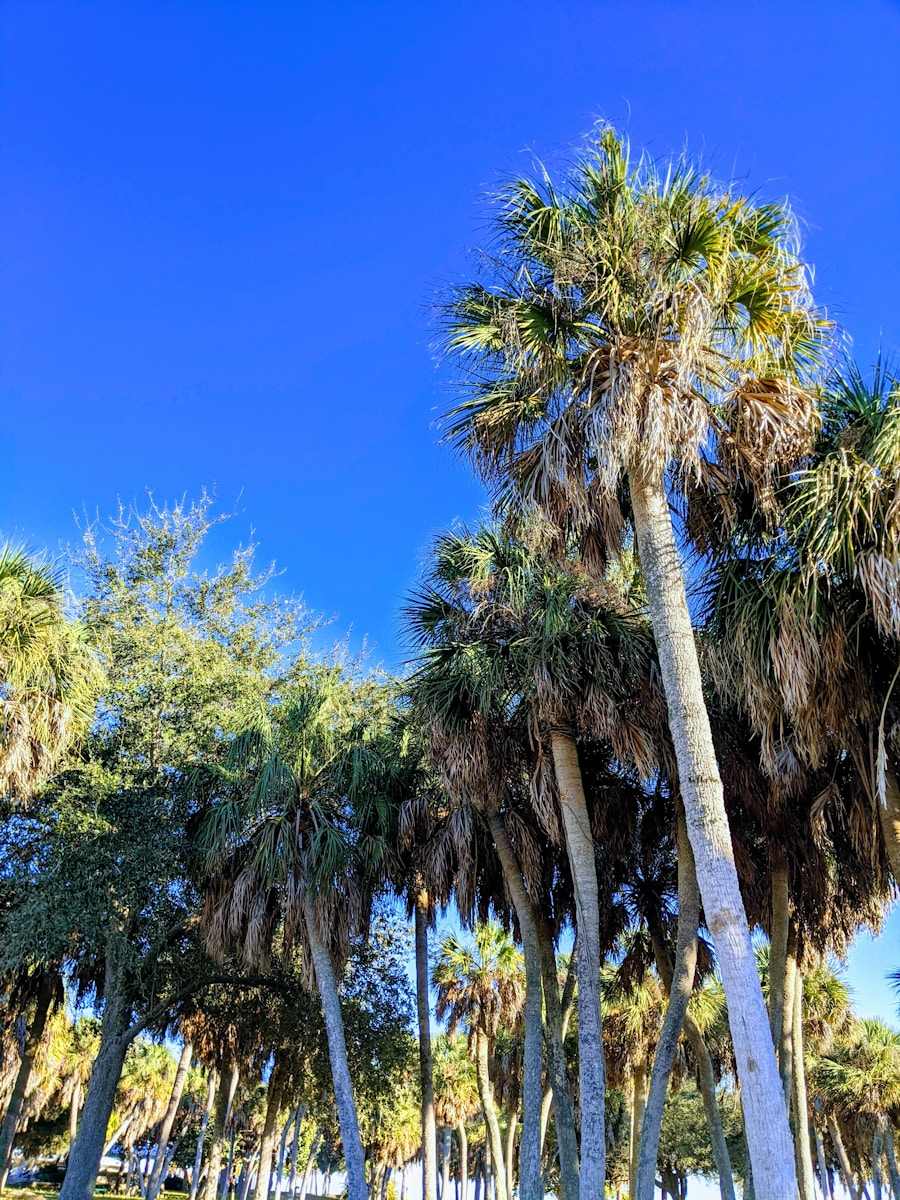

Cape Coral Landscaping: Native Plant Design Guide for Low-Maintenance, Hurricane-Resistant Yards
Creating a beautiful landscape in Cape Coral presents unique opportunities and challenges. With its subtropical climate, sandy soils, and vulnerability to tropical storms, traditional landscaping approaches often fail. This comprehensive native plant design guide provides confident, practical advice for homeowners and property managers seeking sustainable, code-compliant, and resilient landscapes that thrive in Southwest Florida.
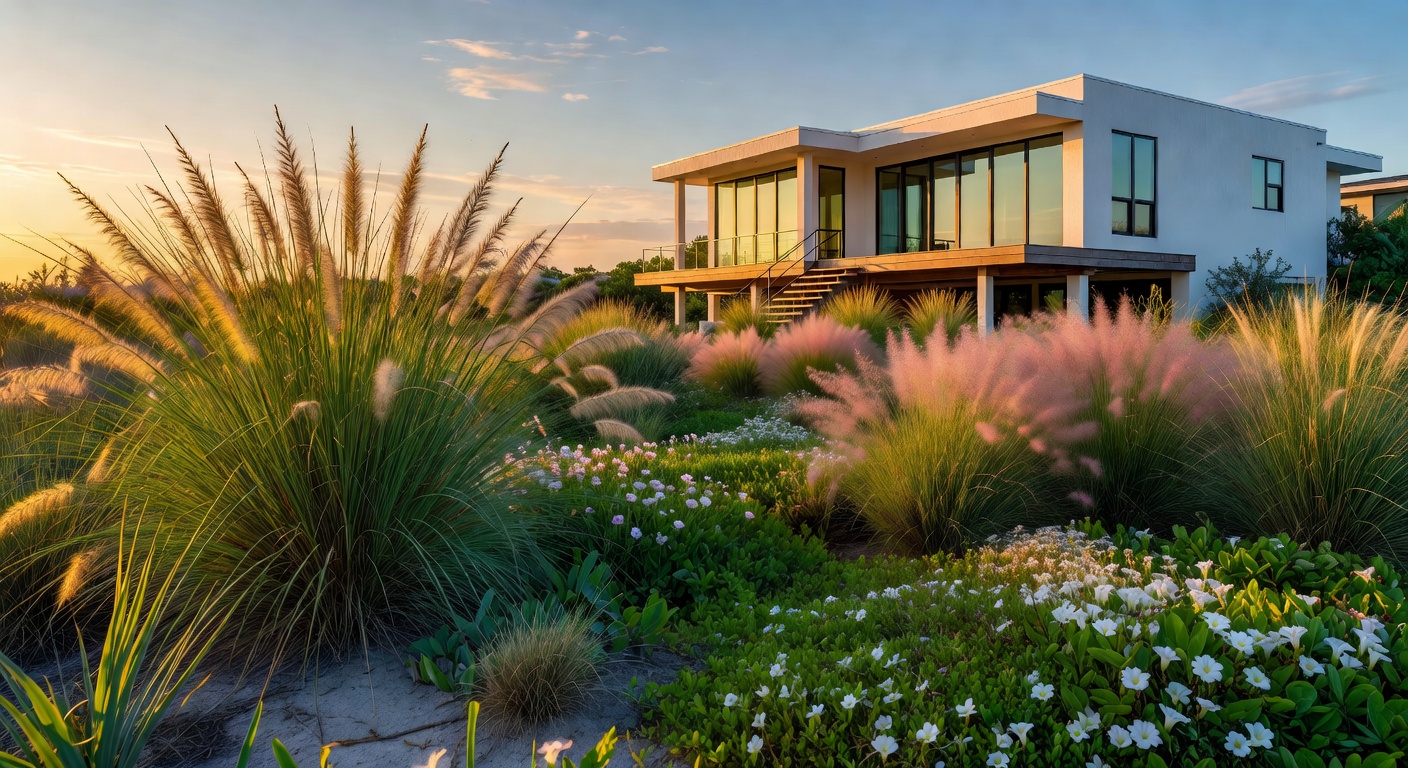
By embracing native and Florida-friendly plants, you can dramatically reduce maintenance costs, conserve water, support local wildlife, and create a landscape that withstands hurricane-force winds better than traditional designs.
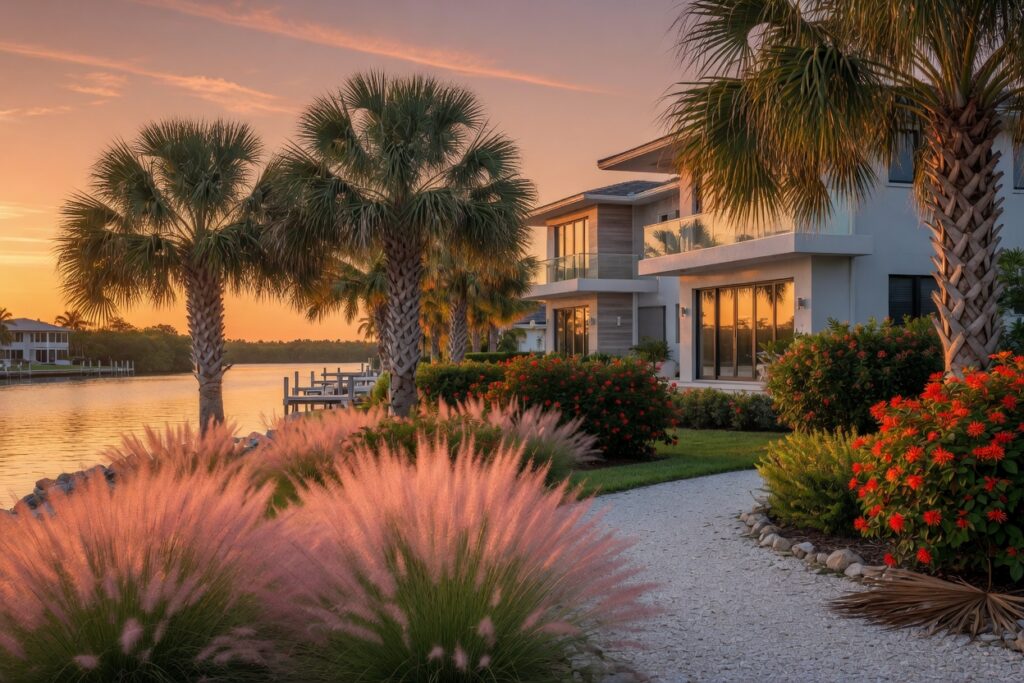
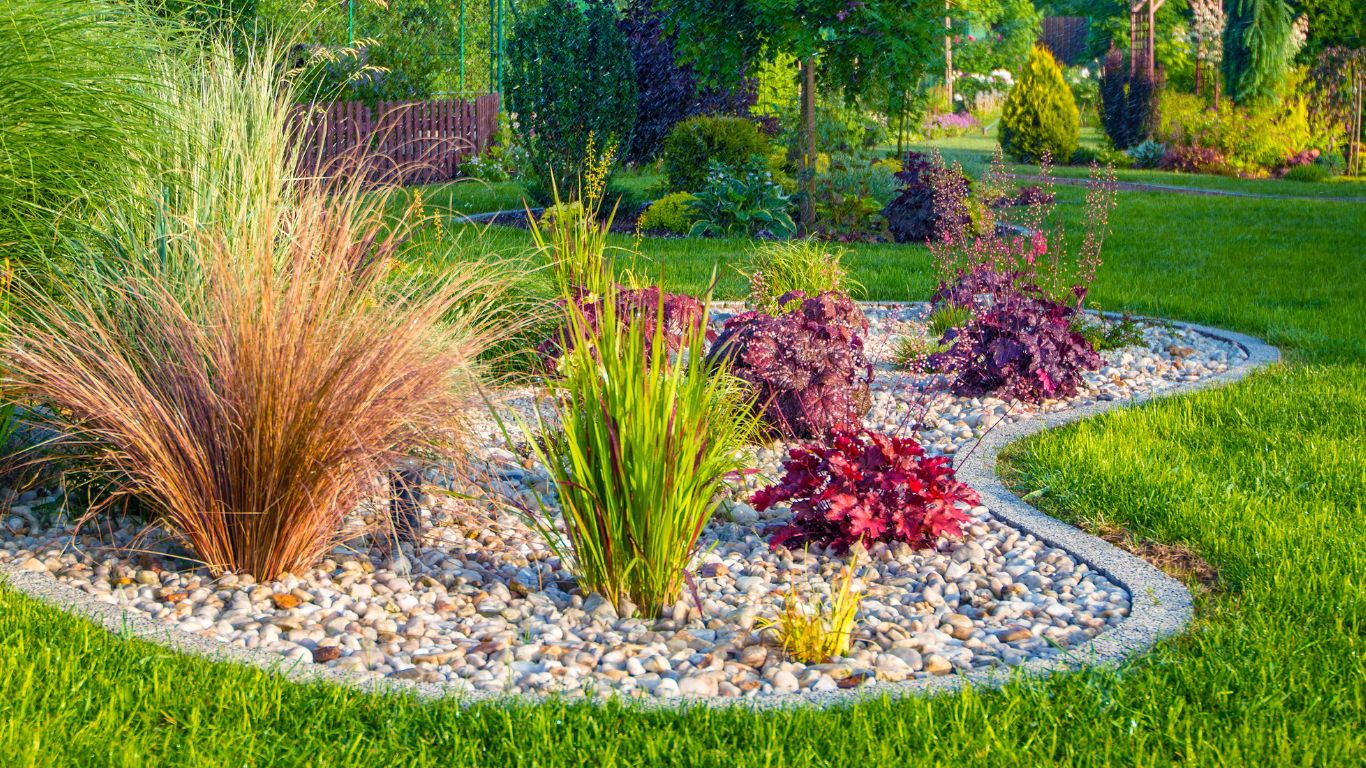
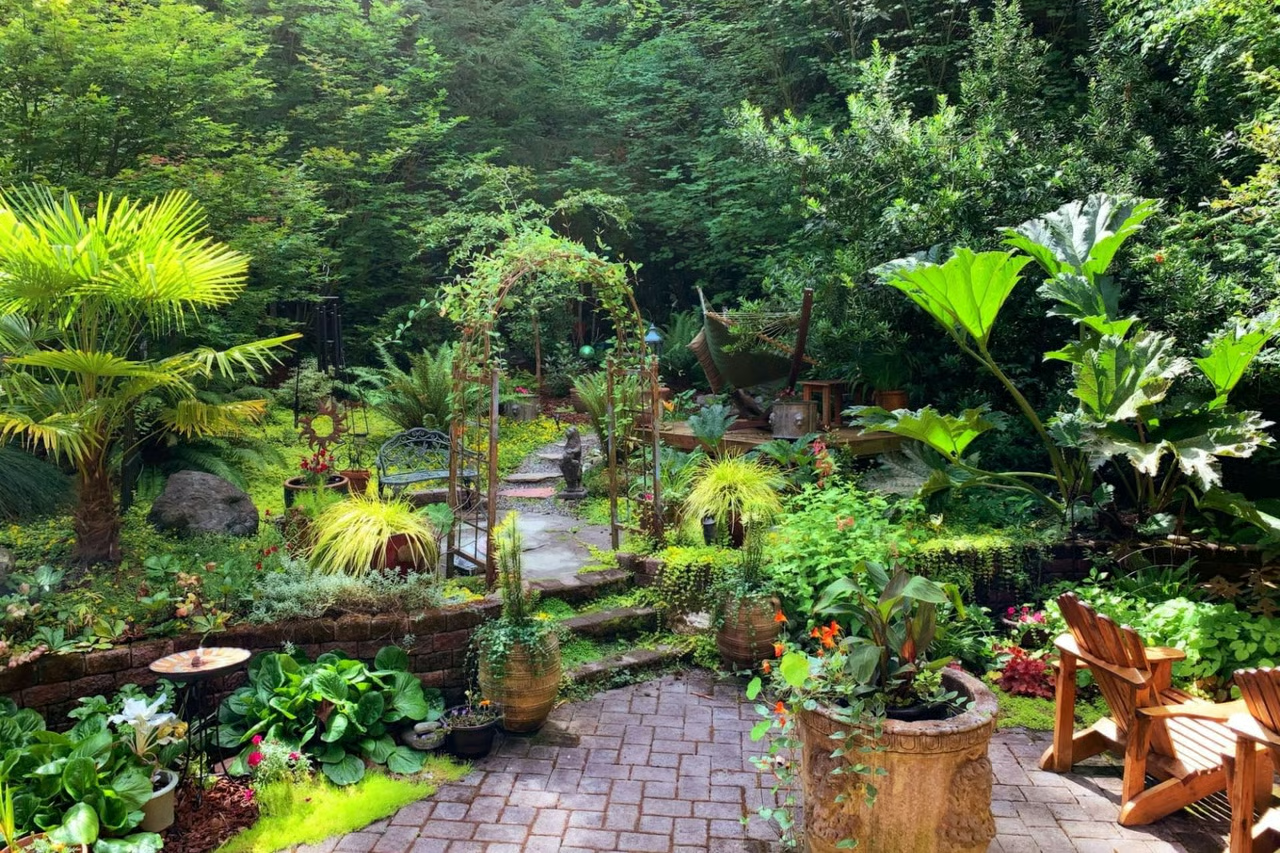
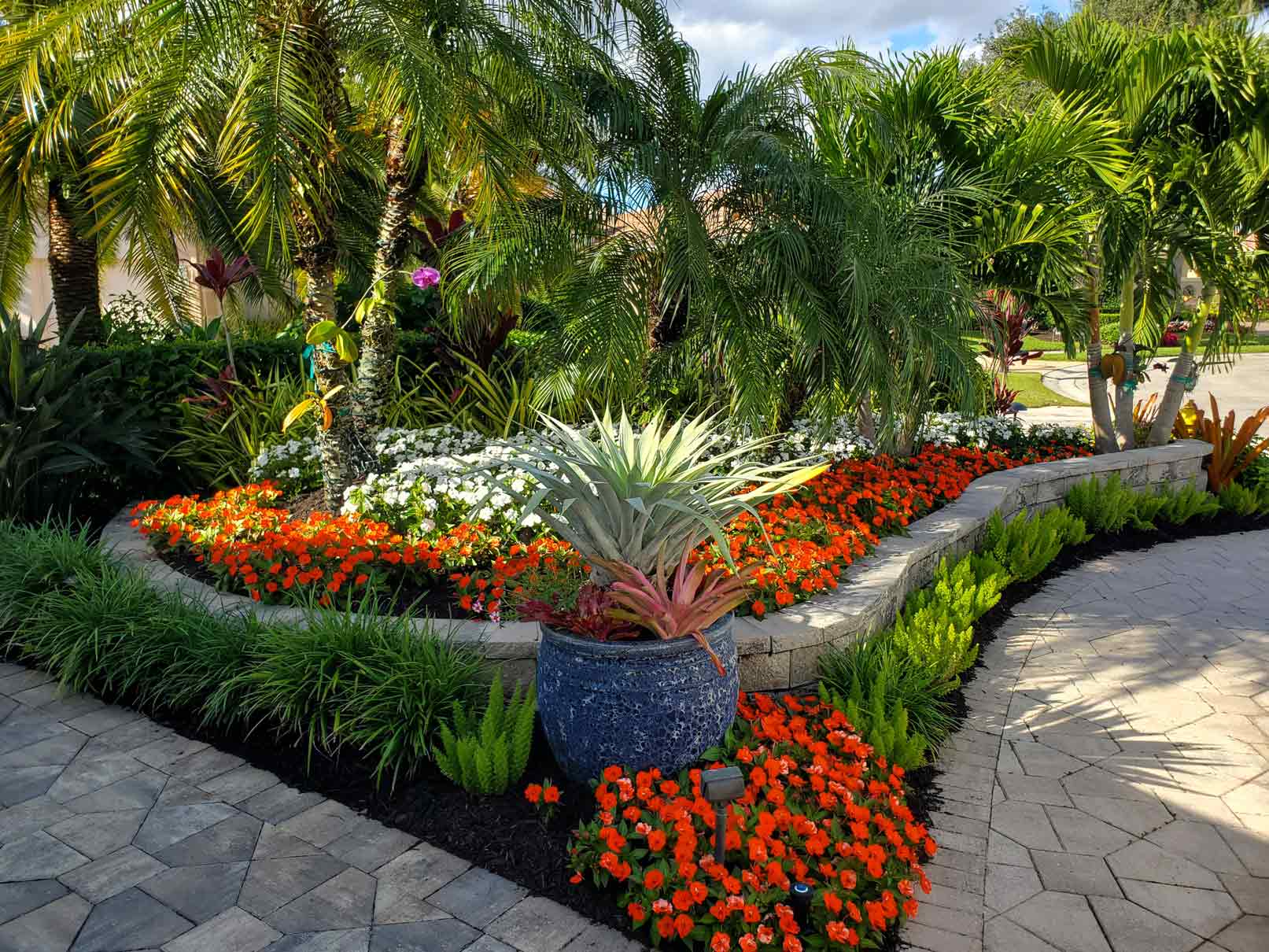
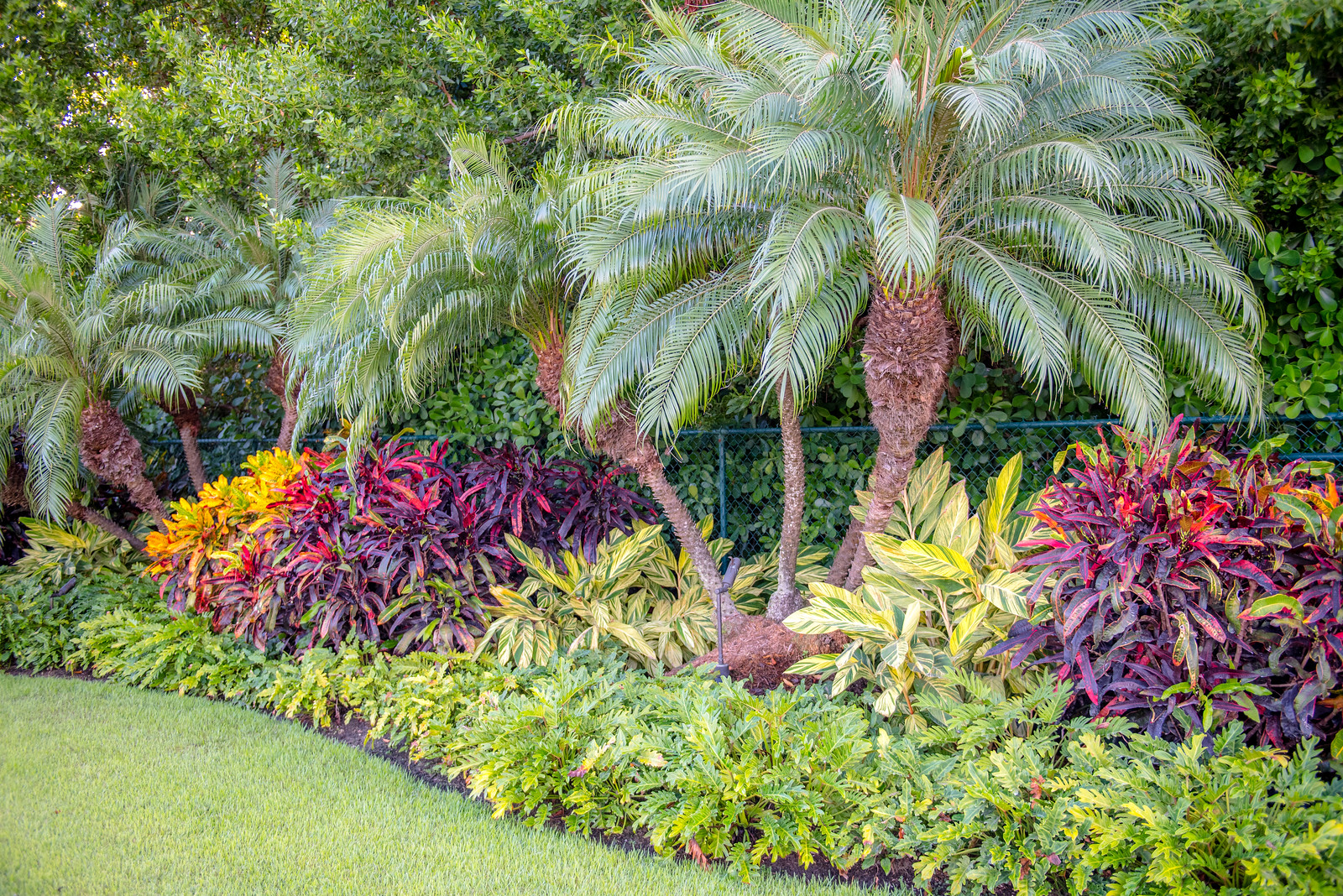
Image Grid 1



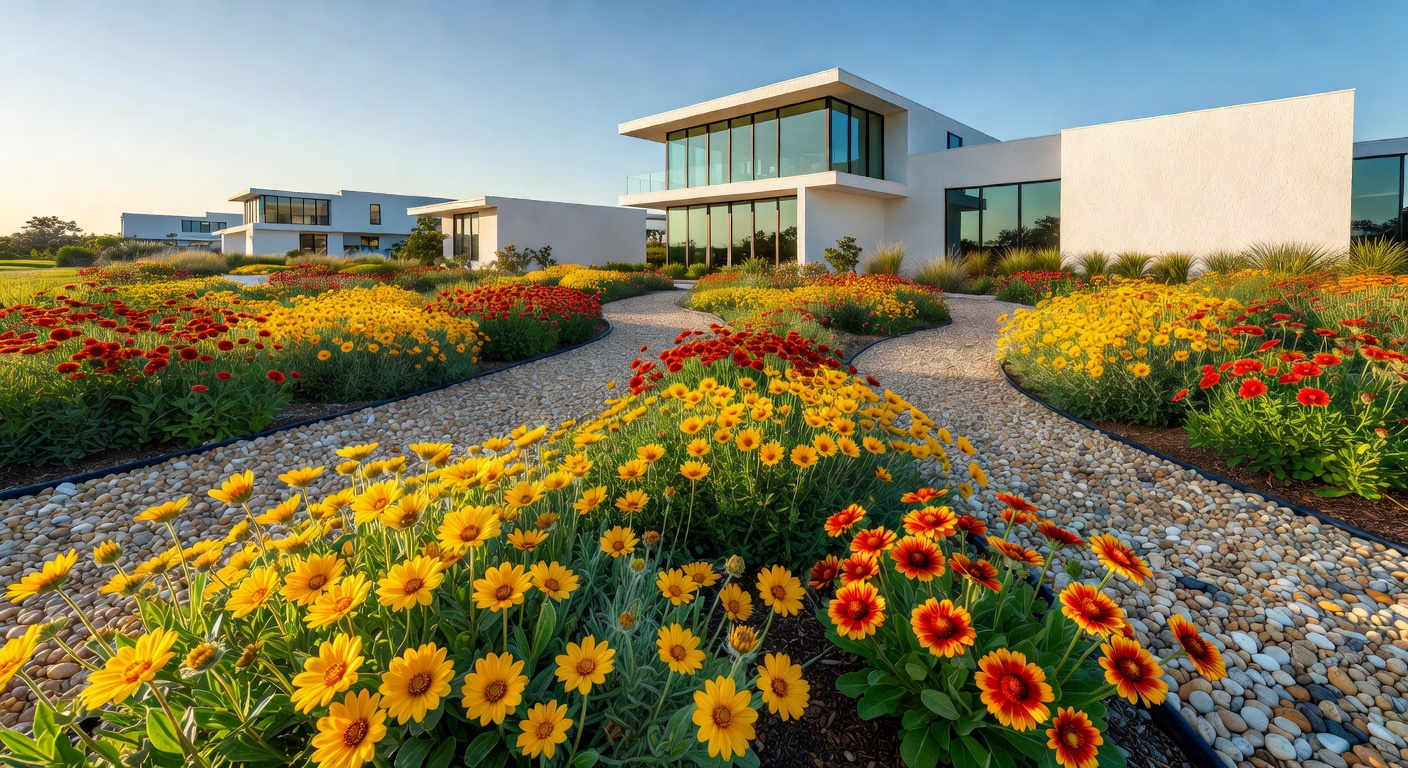
Why Native Plants Are Essential for Cape Coral Landscaping
Cape Coral’s environment demands smart plant selection. Native plants have evolved over thousands of years to thrive in the specific conditions of Southwest Florida — sandy soils with low organic matter, intense sun, high humidity, seasonal flooding, and periodic drought.
Benefits of using native plants in your Cape Coral landscaping include:
- Significantly reduced water consumption once established
- Lower maintenance requirements and fewer chemical inputs
- Increased resistance to local pests and diseases
- Superior wind resistance during hurricanes
- Support for native birds, butterflies, and pollinators
- Compliance with Lee County and Cape Coral landscaping ordinances
Understanding Cape Coral’s Climate and Soil Challenges
Cape Coral sits in USDA Hardiness Zone 10a. The area experiences a wet season from June through September and a pronounced dry season from October through May. Average annual rainfall is approximately 55 inches, but distribution is highly seasonal.
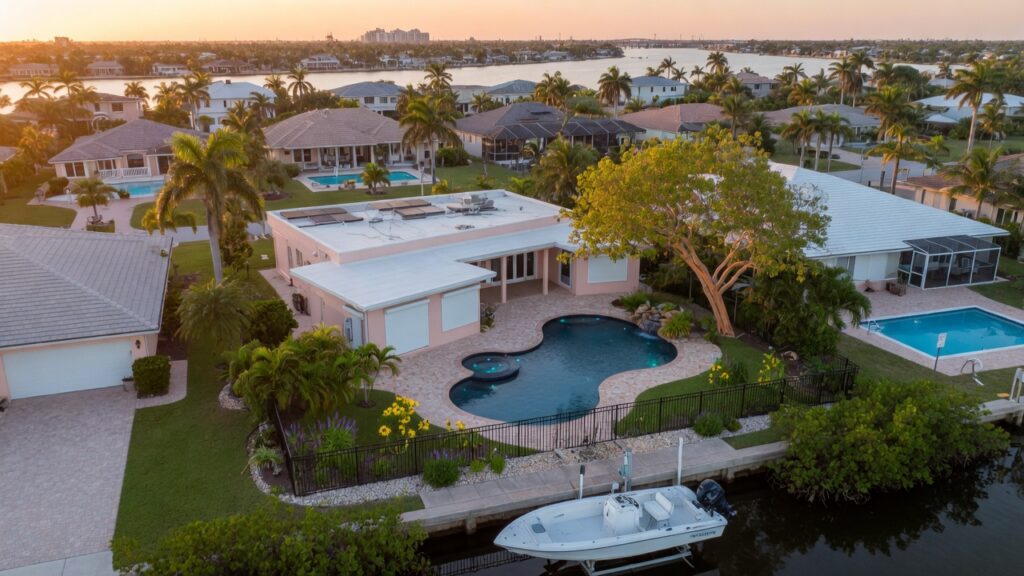
Image Grid 2
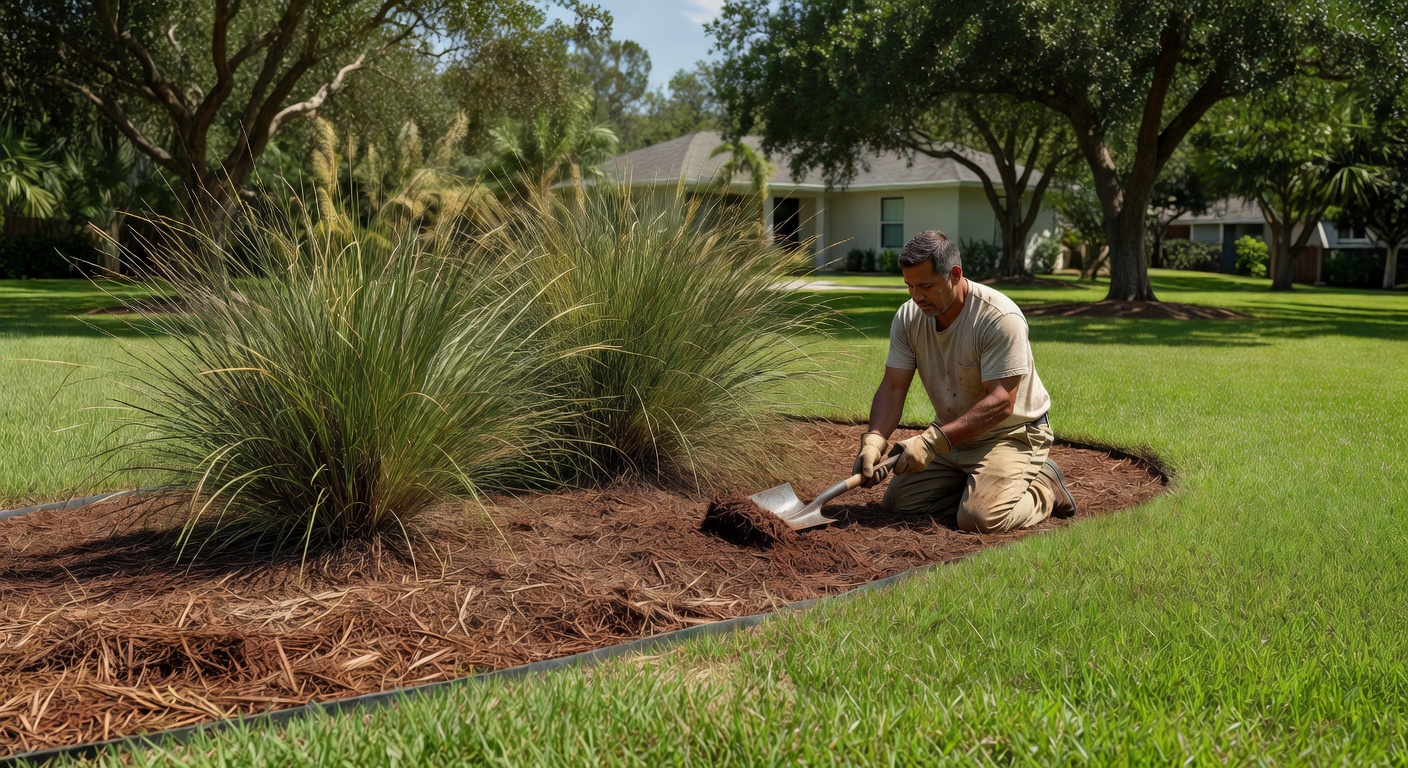


The soil in Cape Coral is predominantly sand with very low nutrient-holding capacity. This makes proper soil preparation and plant selection critical for successful Cape Coral landscaping. Many native plants have adapted to these nutrient-poor conditions and actually perform poorly in heavily amended soils.
Hurricane Preparedness in Landscape Design
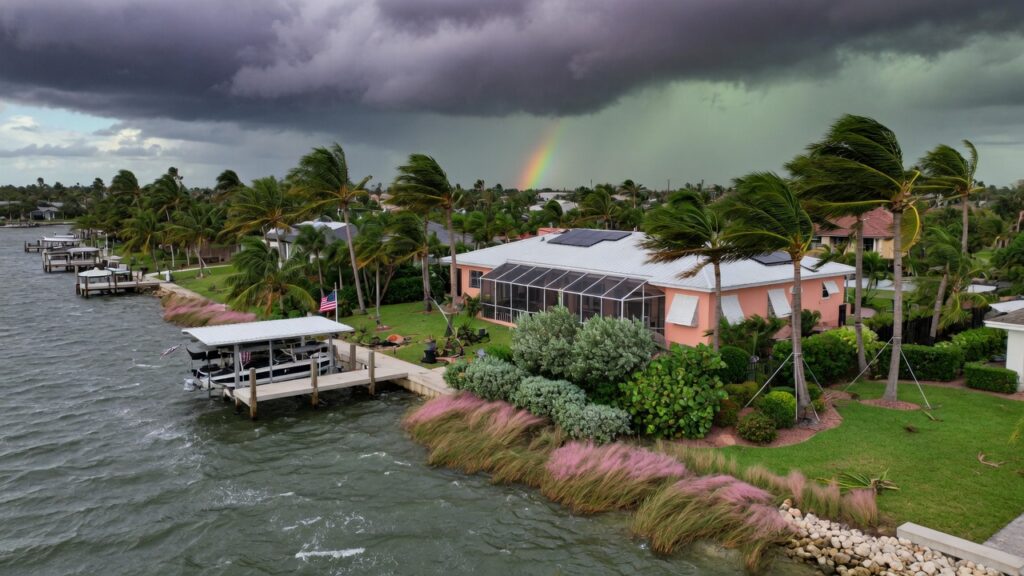
Hurricanes are a reality in Cape Coral. Your landscape should be designed to minimize damage and debris. Strategic plant selection, proper spacing, and structural pruning are essential components of hurricane-ready Cape Coral landscaping.
Navigating Local Landscaping Codes and Regulations
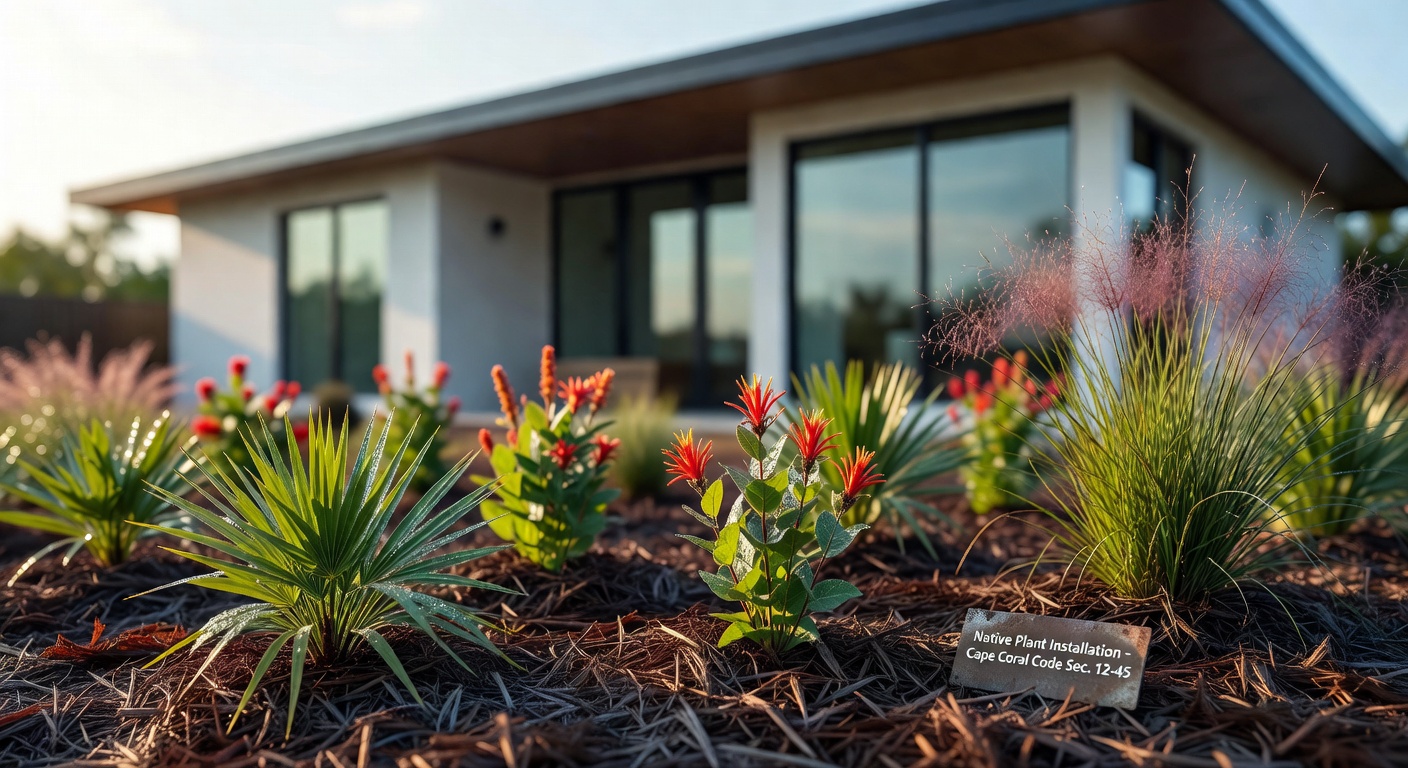
Cape Coral has specific landscaping requirements that must be followed for new construction and significant renovations. Understanding these regulations early in your design process prevents costly mistakes.
Key Cape Coral and Lee County Requirements
- Minimum landscape coverage percentages for residential and commercial properties
- Water-wise landscaping mandates
- Prohibited plant species list (including many invasive exotics)
- Tree preservation and replacement requirements
- Right-of-way planting standards
Working with a licensed landscape professional familiar with local codes ensures your Cape Coral landscaping project meets all requirements while maximizing design potential.
Best Native Plants for Cape Coral Landscapes
Here are some of the most effective and attractive native plants for various roles in your Cape Coral landscaping design:
Canopy Trees
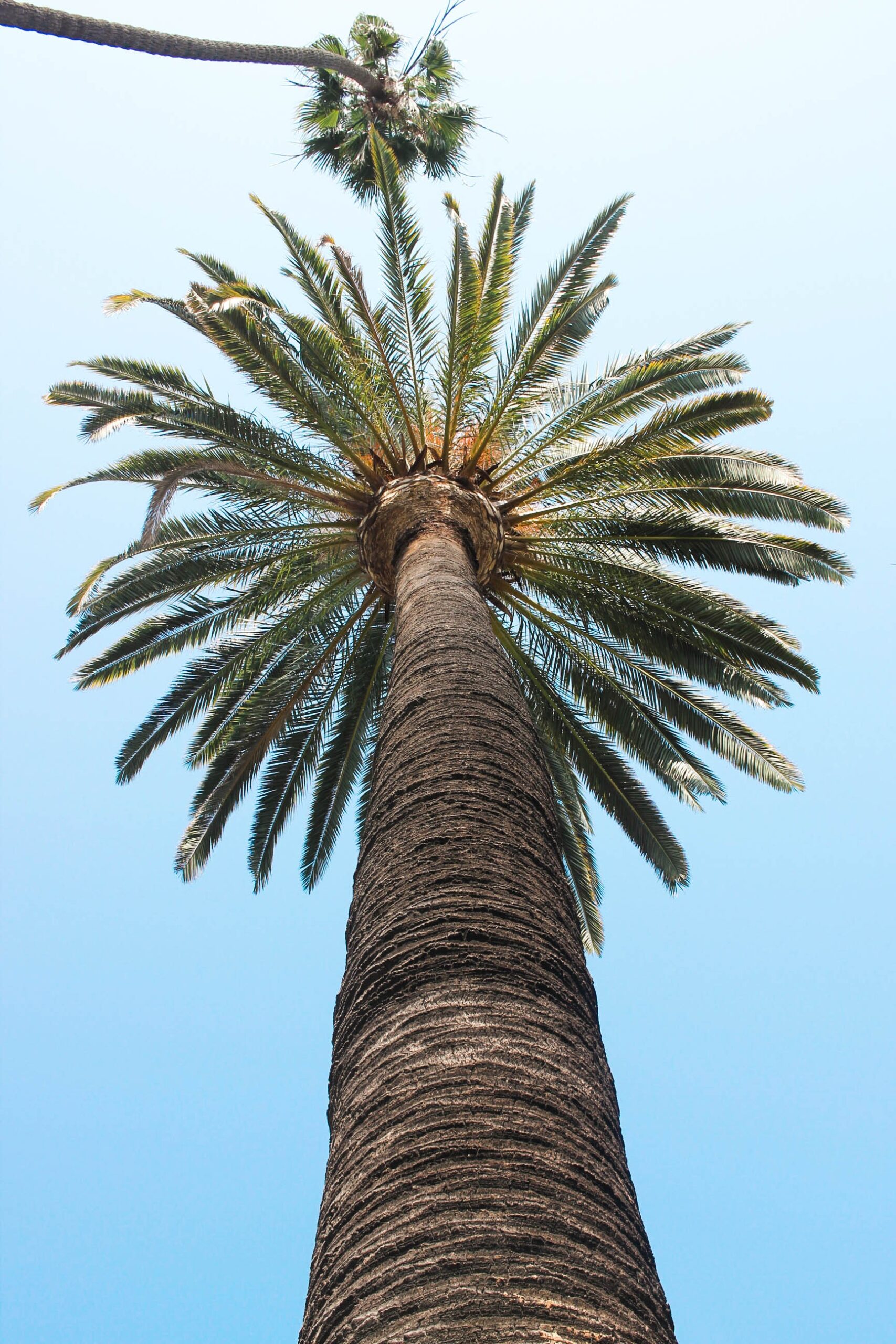
- Sabal Palm (Sabal palmetto) – The official state tree, extremely wind resistant and low maintenance.
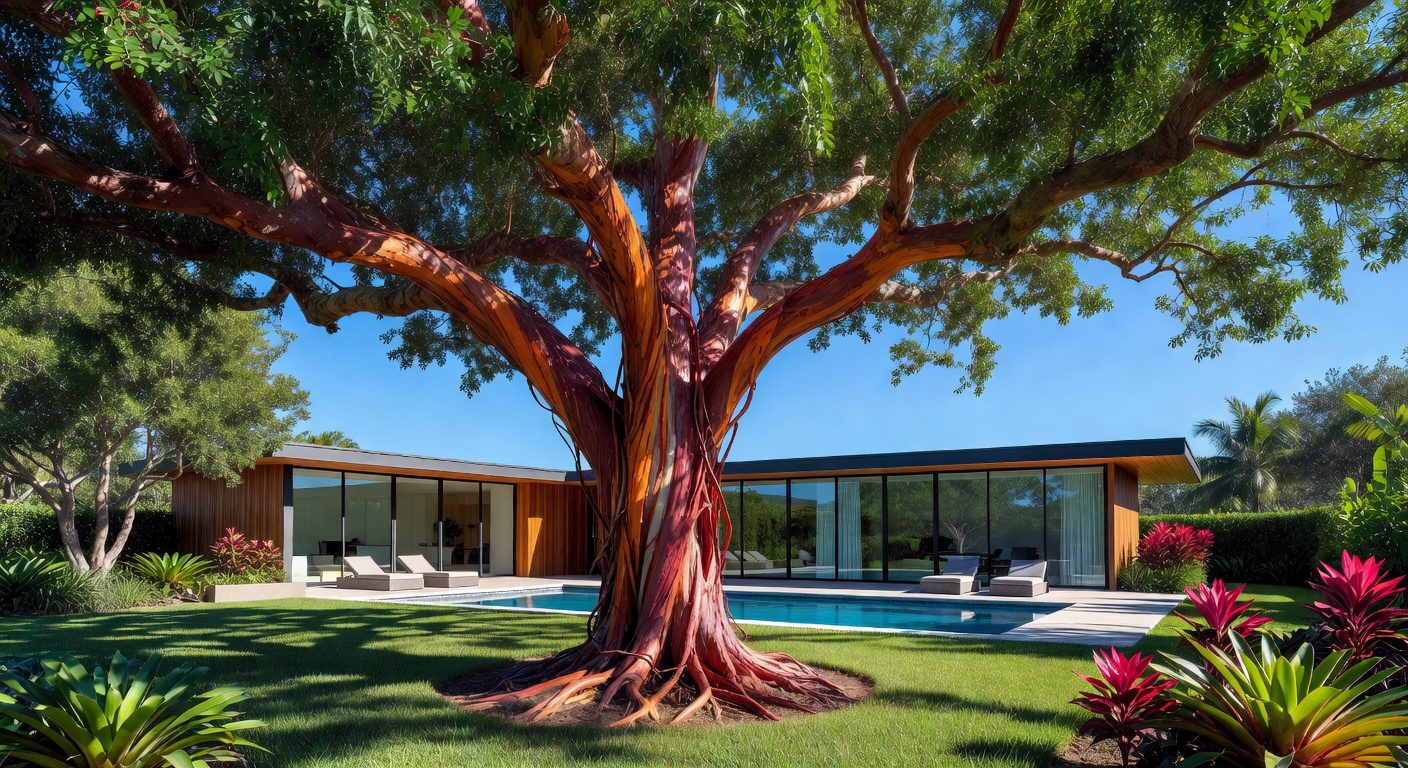
- Gumbo Limbo (Bursera simaruba) – Fast-growing with beautiful peeling bark, excellent hurricane resistance.
- Live Oak (Quercus virginiana) – Majestic shade tree with strong branch structure.
- Slash Pine (Pinus elliottii) – Native pine that provides vertical interest and wildlife habitat.
Small Trees and Large Shrubs
- Simpson’s Stopper (Myrcianthes fragrans) – Dense foliage, fragrant flowers, and excellent wind resistance.
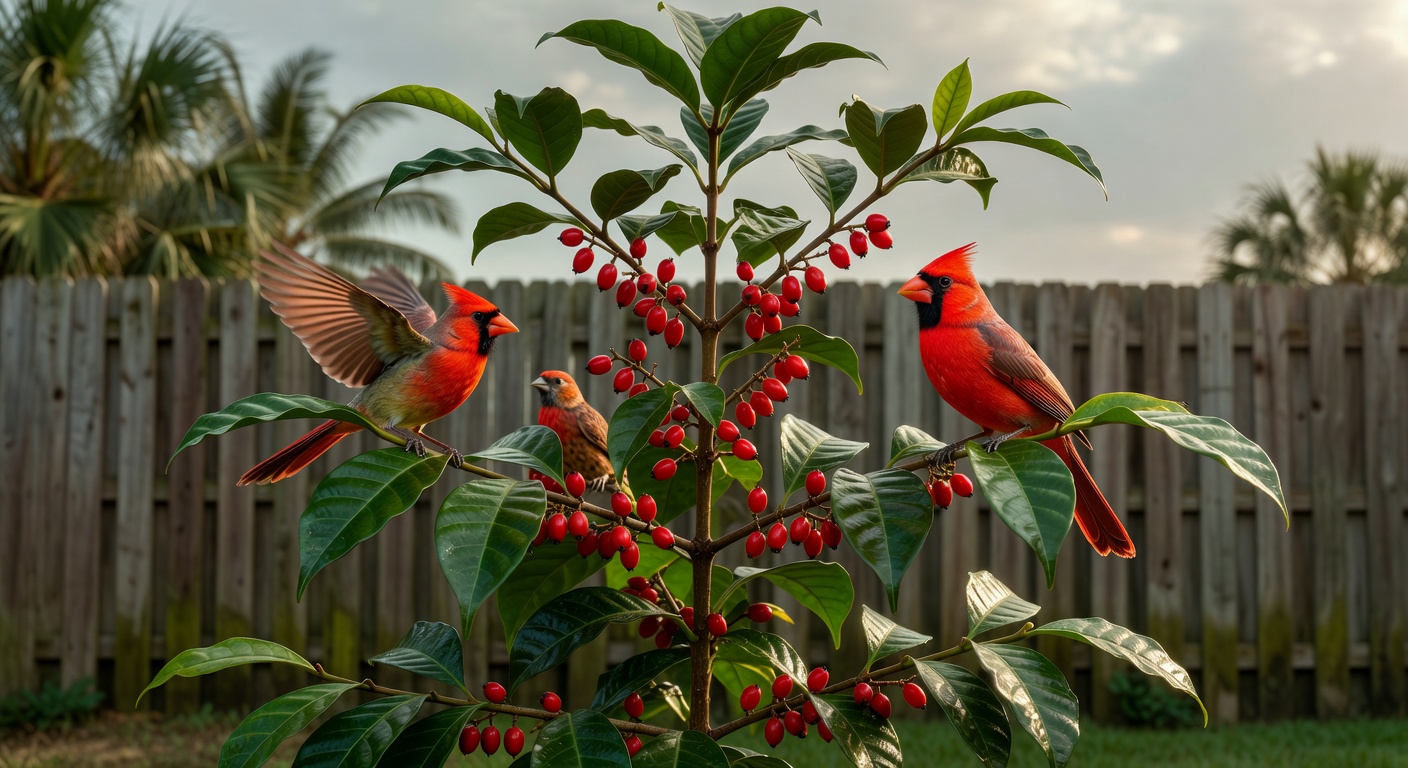
- Wild Coffee (Psychotria nervosa) – Attractive foliage and red berries that attract birds.
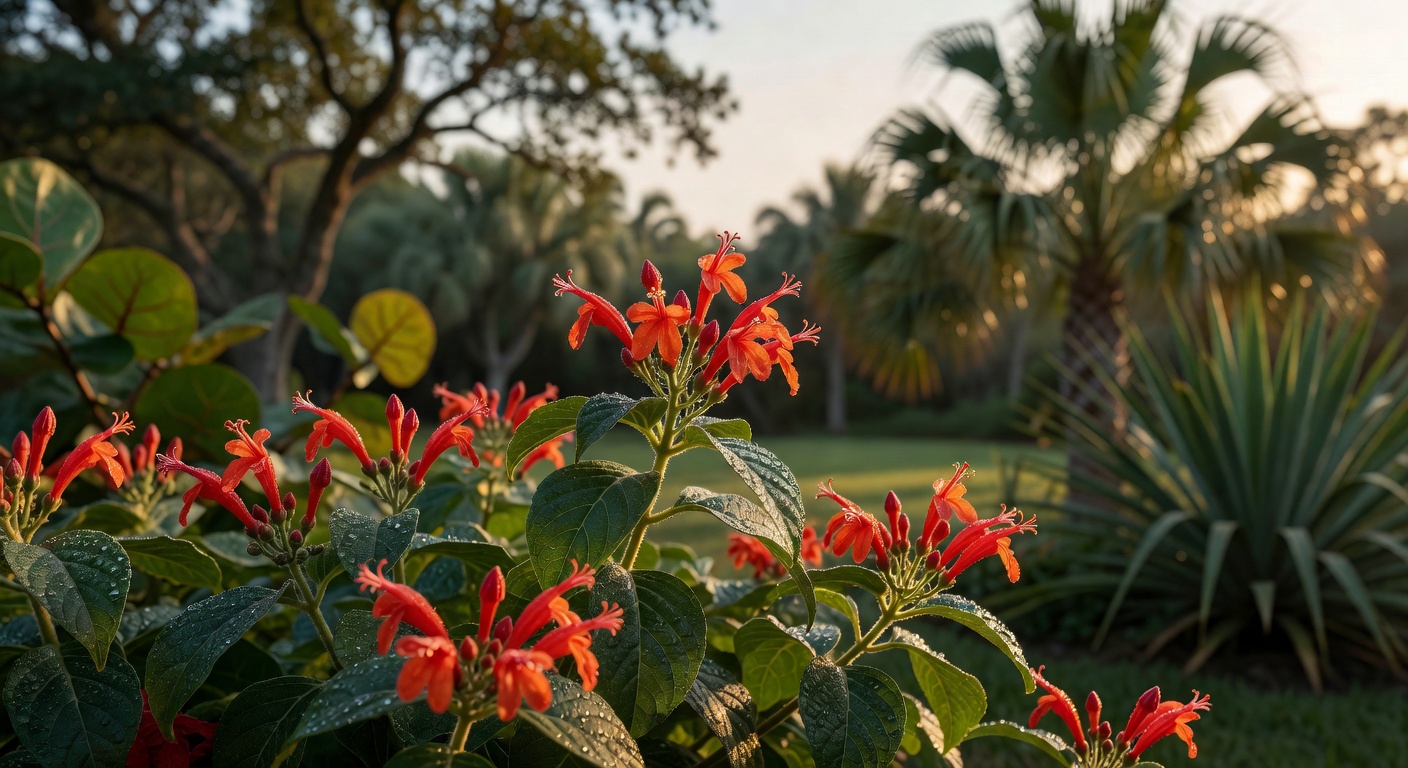
- Firebush (Hamelia patens) – Brilliant red-orange flowers that hummingbirds adore.
- Buttonwood (Conocarpus erectus) – Extremely salt and wind tolerant with silver and green varieties available.
Groundcovers and Accent Plants
- Beach Sunflower (Helianthus debilis) – Fast-spreading with cheerful yellow flowers.
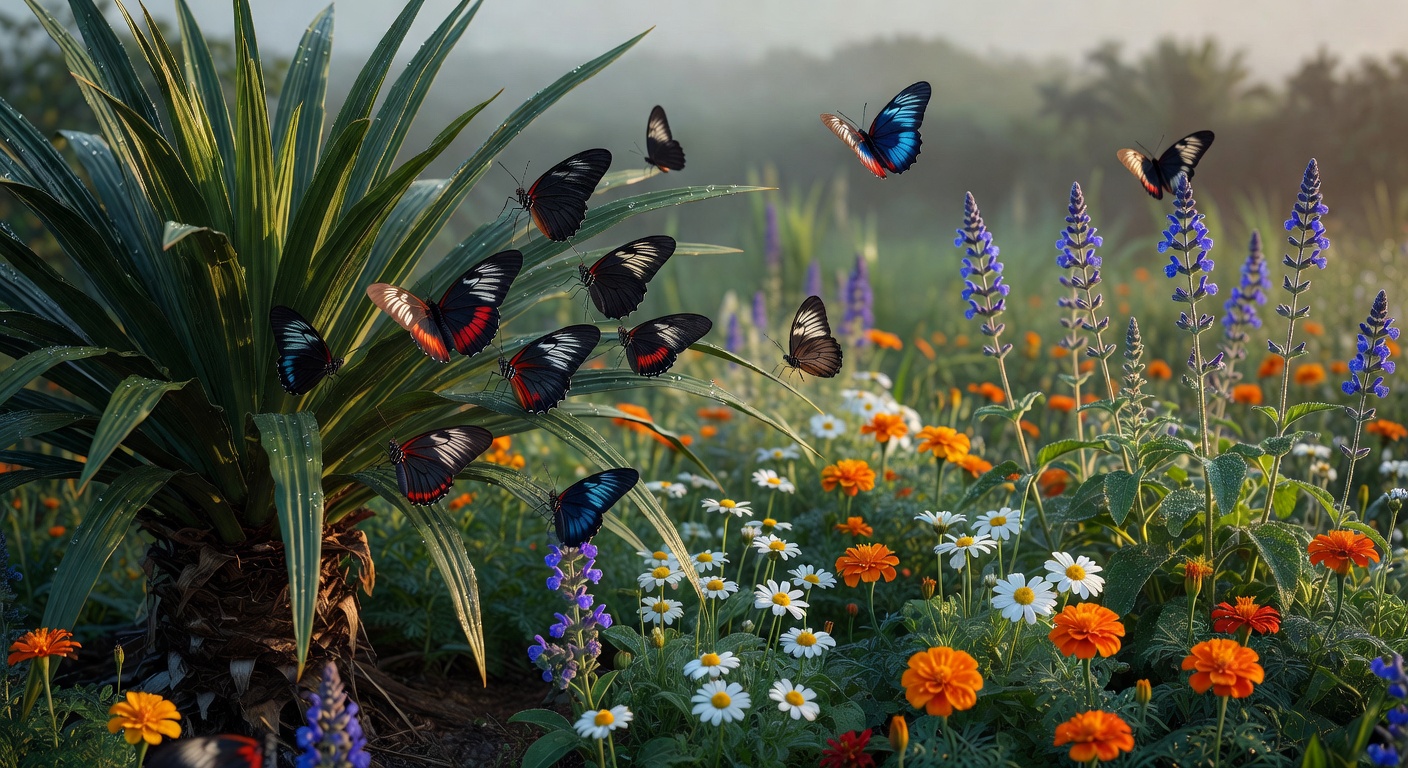
- Coontie (Zamia integrifolia) – Ancient cycad that serves as the host plant for the rare Atala butterfly.
- Blazing Star (Liatris spicata) – Striking purple flower spikes that attract numerous pollinators.
- Sea Grape (Coccoloba uvifera) – Large, dramatic leaves with high salt tolerance.
Creating Hurricane-Resistant Landscape Design
Wind resistance goes beyond simply choosing the right plants. The way you arrange them matters significantly.
Design Principles for Wind Resistance
- Layer plants in graduated heights to break wind gradually
- Avoid creating wind tunnels between buildings and large trees
- Use clusters of smaller, flexible plants rather than isolated large specimens
- Properly space trees to prevent competition and weak structure
- Select trees with strong central leaders and good branch attachment angles
Research from the University of Florida shows that diverse, multi-layered native plant communities survive major storms significantly better than monoculture or exotic plantings.
Water-Wise Landscaping for Cape Coral
With water restrictions becoming more common in Southwest Florida, designing your landscape for minimal irrigation is both environmentally responsible and legally prudent.
Implementing Florida-Friendly Landscaping Principles
The University of Florida’s nine Florida-Friendly Landscaping principles should guide every Cape Coral landscaping project:
- Right Plant, Right Place
- Water Efficiently
- Fertilize Appropriately
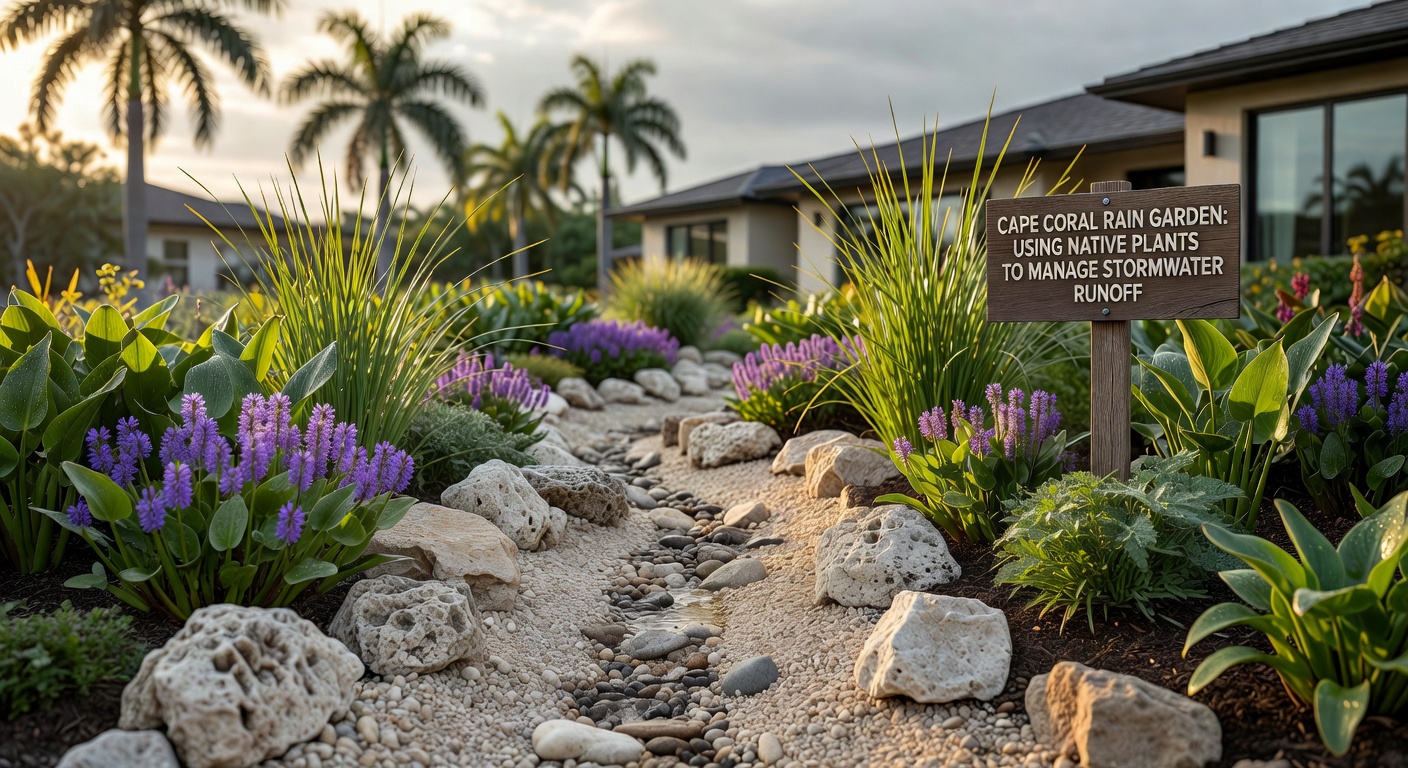
- Reduce Stormwater Runoff
- Manage Yard Pests Responsibly
- Recycle Yard Waste
- Reduce Energy Use
- Create Wildlife Habitat
- Protect the Waterfront
Zone-Based Planting Strategy for Cape Coral Properties
Successful Cape Coral landscaping divides properties into distinct zones based on water needs, sun exposure, and function.
Oasis Zone (High Water Use)
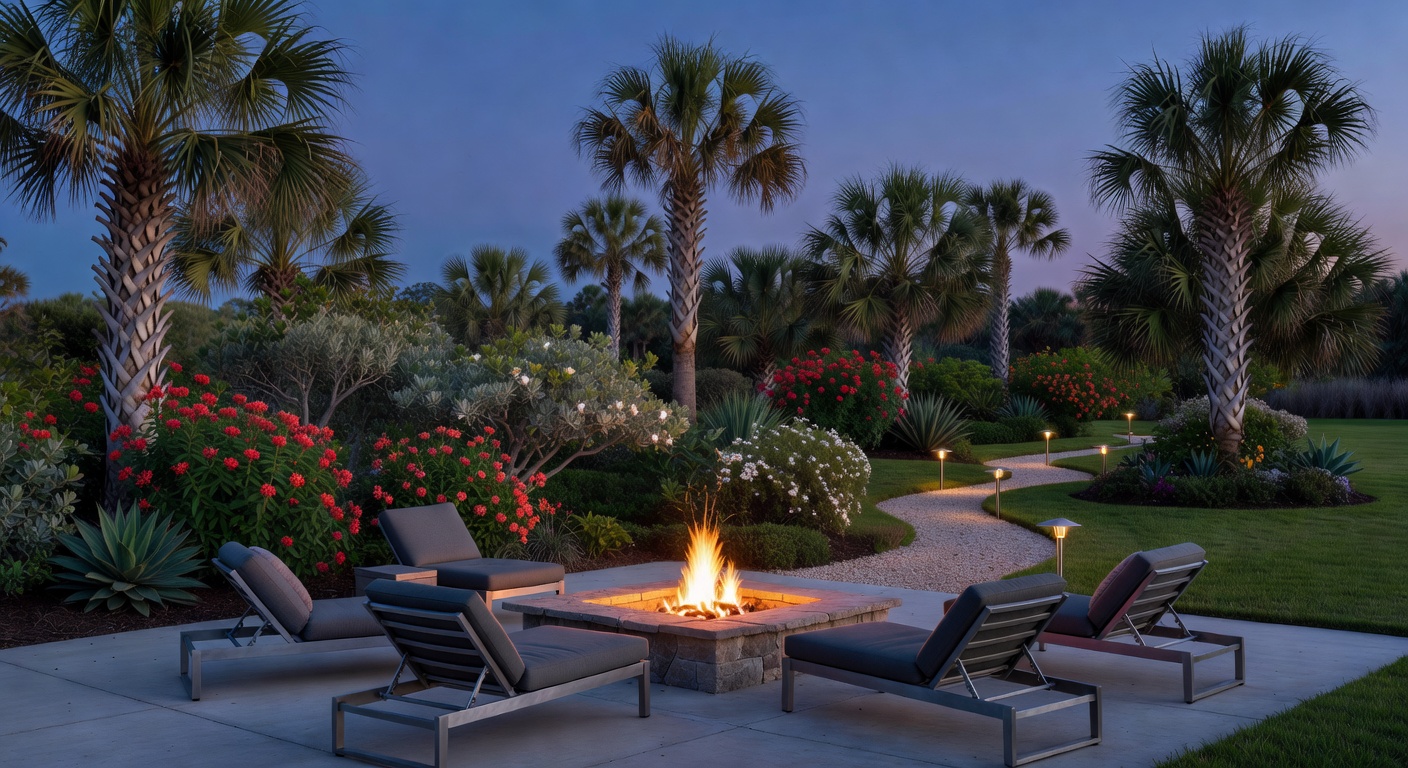
Located near the house for entertainment areas, this zone features more water-needy plants but occupies the smallest area of the landscape.
Transition Zone (Moderate Water Use)
This area bridges the oasis and natural zones with moderately drought-tolerant native plants.
Natural Zone (Low Water Use)
The largest area of the property features the most drought-tolerant native species that require no supplemental irrigation once established.
Soil Preparation and Installation Best Practices
Proper soil preparation dramatically improves plant success rates in Cape Coral’s challenging soils.
Soil Amendment Recommendations
- Incorporate organic matter to improve water and nutrient retention
- Use Florida-specific slow-release fertilizers
- Apply mulch at proper depth (3-4 inches) while keeping it away from plant stems
- Consider mycorrhizal inoculants to improve root development
Maintenance Schedule for Native Plant Landscapes
One of the greatest advantages of native plant Cape Coral landscaping is dramatically reduced maintenance requirements. However, some care is still necessary, especially during the first 12-18 months while plants establish.
Year One Maintenance
Focus on consistent watering to establish deep root systems. Hand pull weeds rather than using herbicides when possible. Apply a 3-inch layer of clean, local mulch.
Years Two and Beyond
Most native landscapes require pruning only once or twice per year and minimal fertilization. Pest issues are typically minimal when using appropriate plants.
Common Mistakes to Avoid in Cape Coral Landscaping
- Overwatering and overfertilizing native plants
- Planting too densely without accounting for mature size
- Ignoring local codes and regulations
- Using invasive exotic species that may be restricted
- Failing to prepare soil adequately before planting
- Selecting plants based solely on aesthetics rather than site conditions
Working with Professional Landscape Designers in Cape Coral
While many aspects of native plant landscaping can be DIY projects, working with professionals who understand local conditions often yields superior results and saves money long-term.
Look for designers and installers who specialize in Florida-Friendly and native plant landscaping. They should be familiar with current Cape Coral codes and have experience designing hurricane-resistant landscapes.
Case Studies: Successful Native Plant Landscapes in Cape Coral
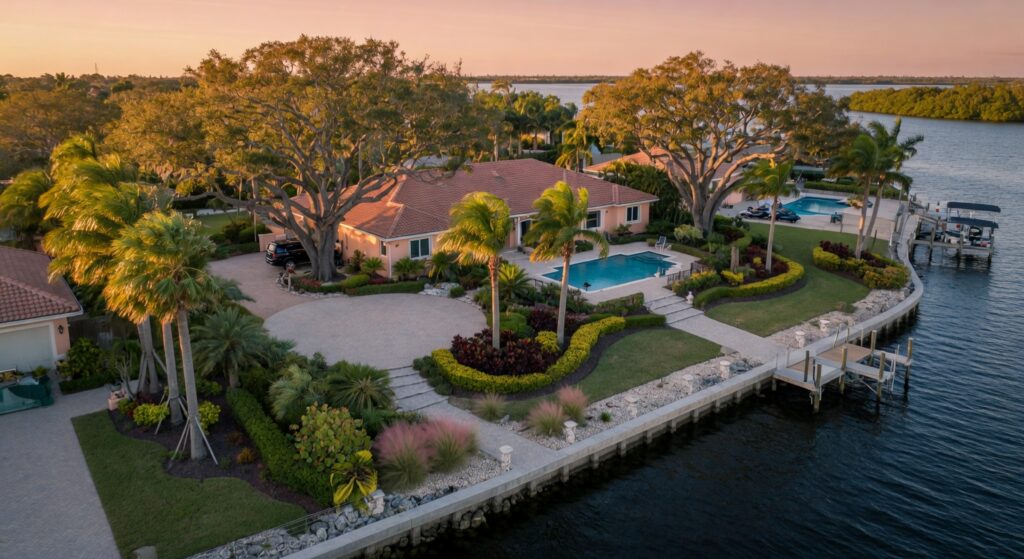
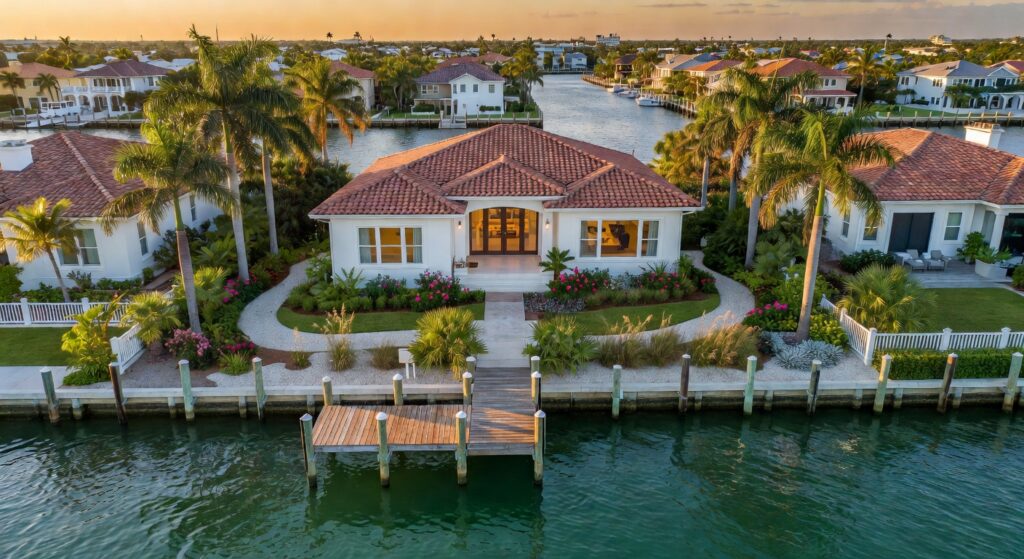
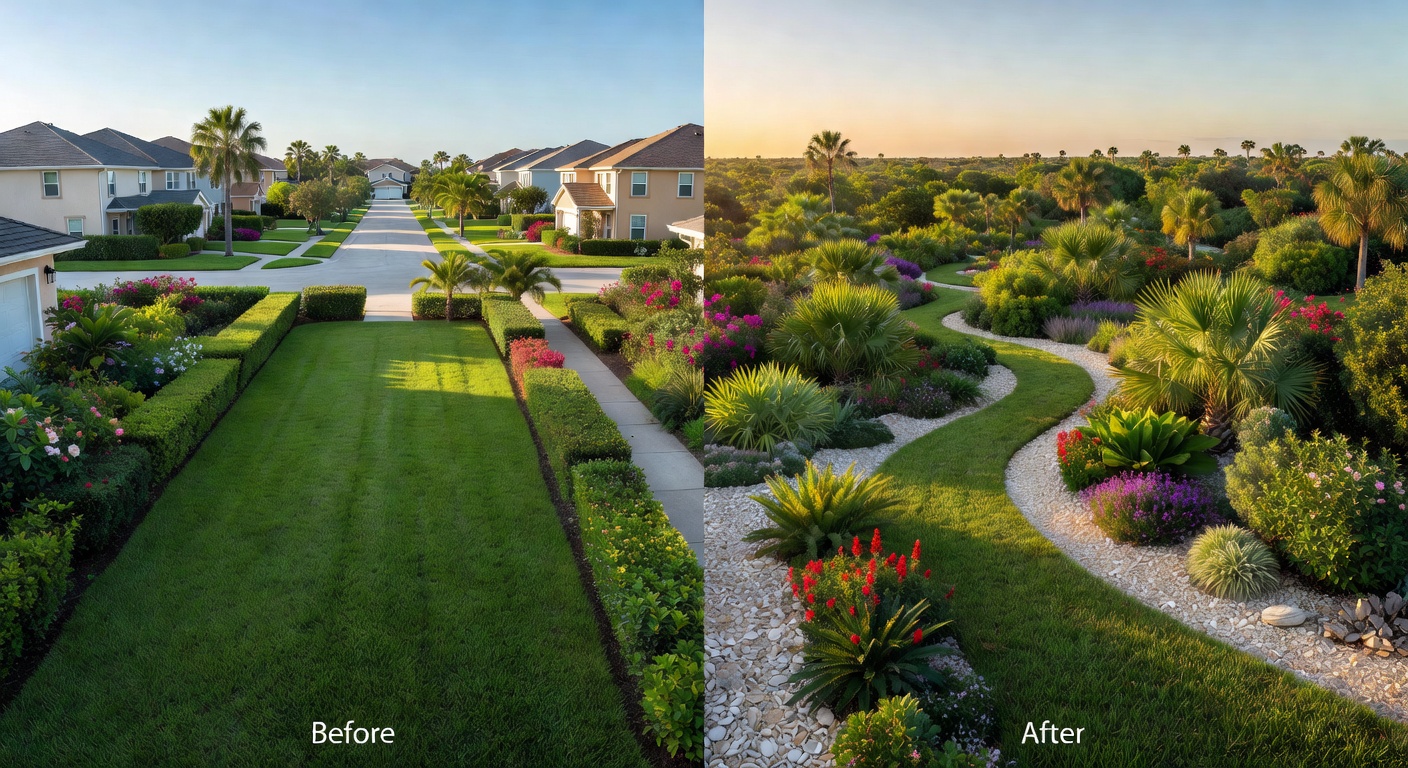
Throughout Cape Coral, homeowners have transformed their properties using native plants. These landscapes not only look beautiful but have significantly lower water and maintenance costs while providing superior storm resistance.
One notable example is a waterfront property in Southwest Cape Coral that replaced its turfgrass with a diverse native plant palette. The new landscape reduced irrigation needs by over 70% and survived Hurricane Ian with minimal damage while neighboring properties suffered extensive losses.
Getting Started with Your Cape Coral Native Plant Landscape
Begin by assessing your property’s specific conditions — sun exposure, soil type, drainage patterns, and wind corridors. Create a scaled plan that addresses both your aesthetic preferences and functional needs while incorporating the principles outlined in this guide.
Start small if you’re overwhelmed. Convert one section of your yard at a time, learning as you go. The transformation doesn’t need to happen overnight.
Conclusion: Build a Resilient, Beautiful Cape Coral Landscape
Creating a native plant landscape in Cape Coral is one of the smartest investments you can make in your property. These designs require less water, less maintenance, less fertilizer, and provide better hurricane performance than traditional landscapes.
By following the principles in this native plant design guide, you’ll create a landscape that not only complies with local codes but celebrates the unique beauty of Southwest Florida while protecting and enhancing our local environment.
Ready to transform your Cape Coral property? Contact a licensed landscape professional who specializes in native and Florida-Friendly design. Your future self — and your wallet — will thank you when your beautiful, resilient landscape thrives through Southwest Florida’s challenging seasons.
At MyTriCountyLandscape.com, we specialize in creating sustainable, code-compliant native landscapes throughout Cape Coral, Fort Myers, and North Fort Myers. Our designs celebrate Florida’s natural beauty while providing practical, low-maintenance solutions for today’s homeowners.