




Cape Coral Native Landscaping Tutorial: Create a Beautiful, Low-Maintenance, Hurricane-Resilient Yard
In the sunny suburbs of Cape Coral, Florida, homeowners face unique challenges when designing outdoor spaces. Sandy soils, seasonal droughts, strict water restrictions, and the constant threat of hurricanes make traditional landscaping expensive and unsustainable. That’s why cape coral native landscaping has become the smartest choice for residents who want stunning yards that work with nature instead of against it.
This comprehensive guide provides everything you need to transform your property using native and adaptive plants perfectly suited to Cape Coral’s conditions. Whether you plan to DIY or hire professionals like Tri-County Landscape, you’ll gain clear, actionable knowledge that saves money, reduces maintenance, and creates hurricane-resilient outdoor living spaces.
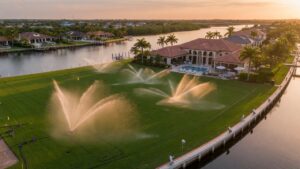
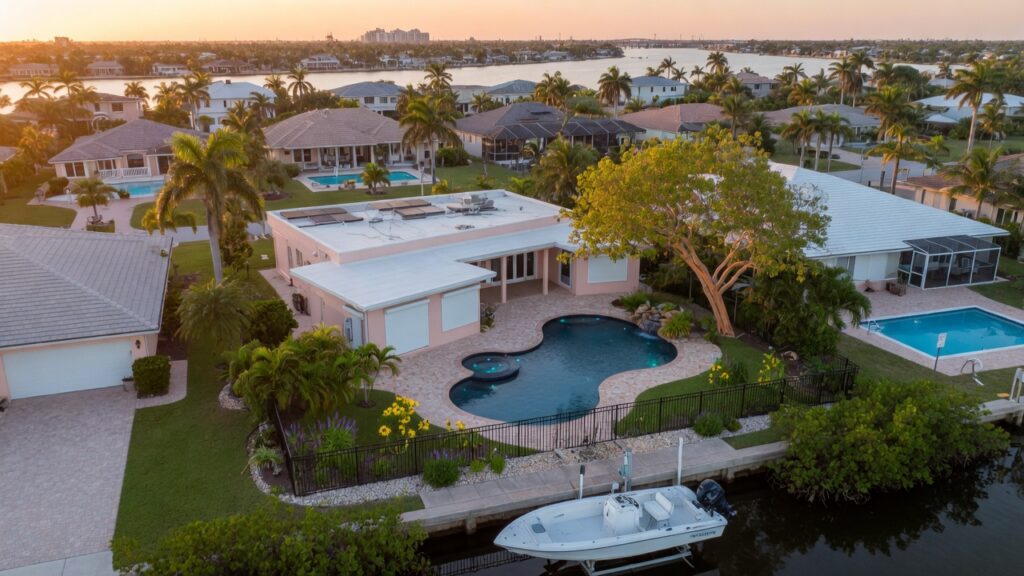
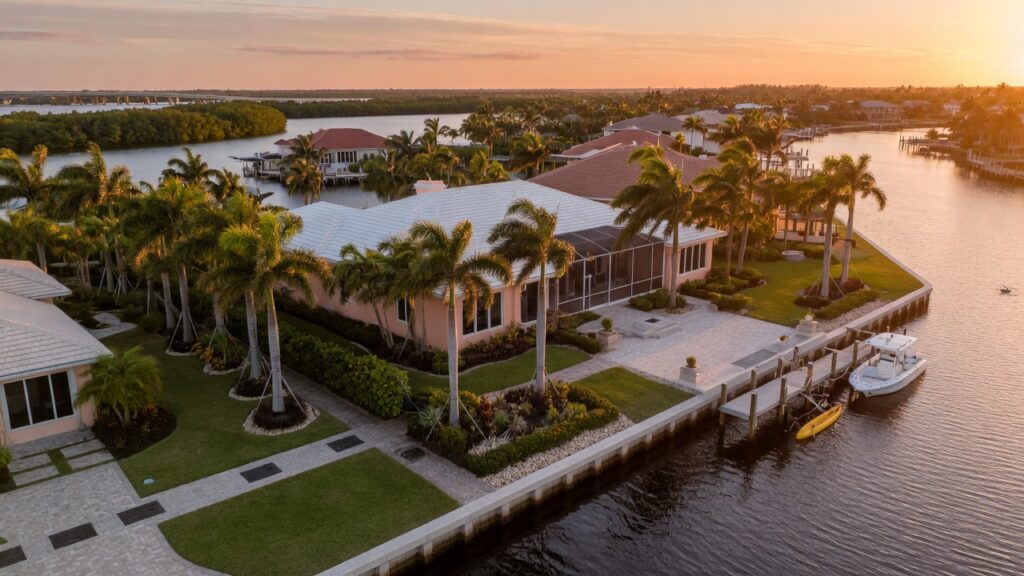
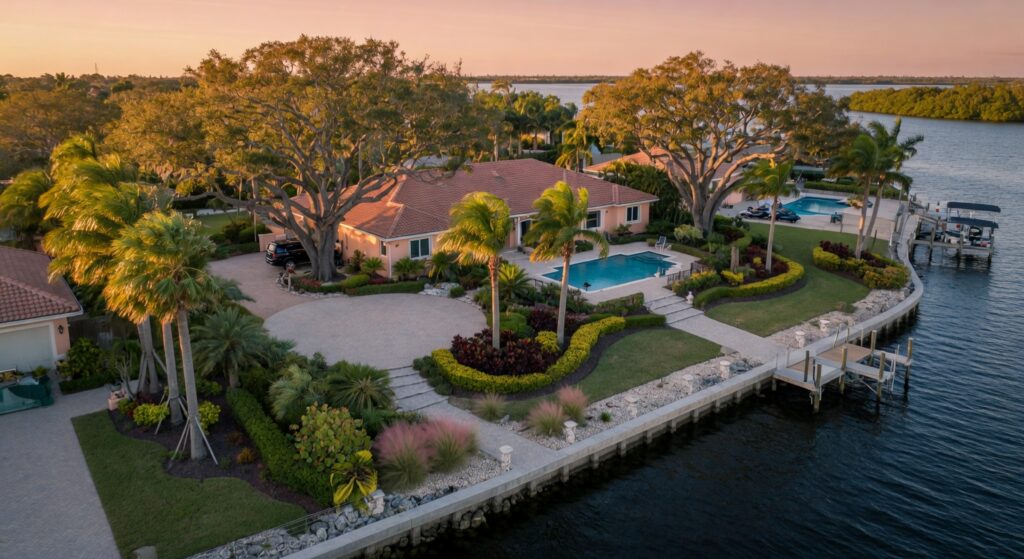
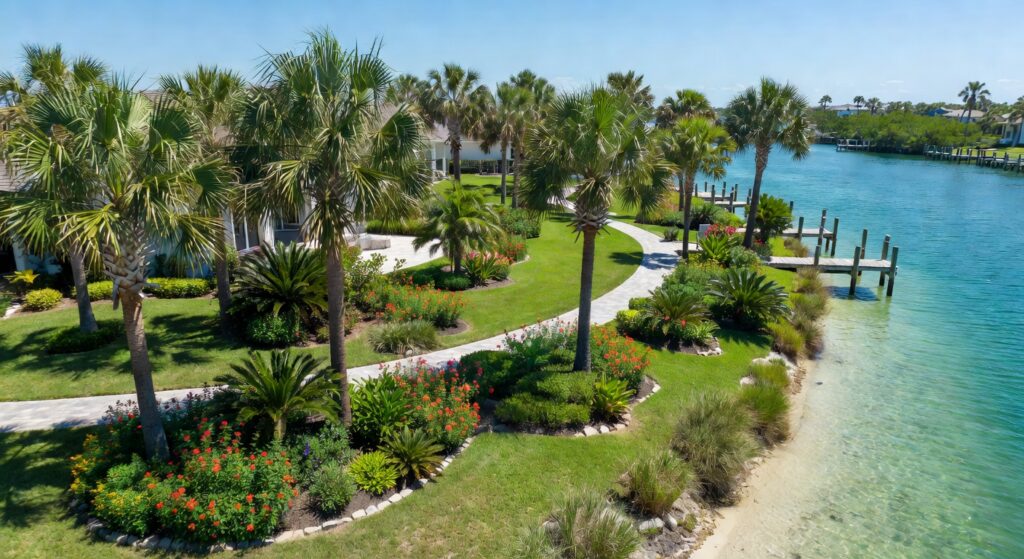
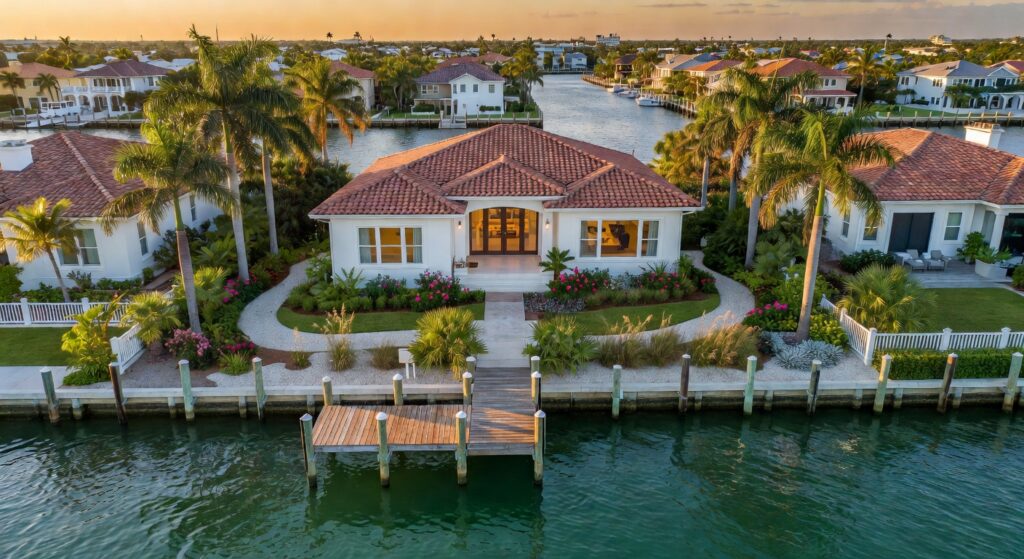
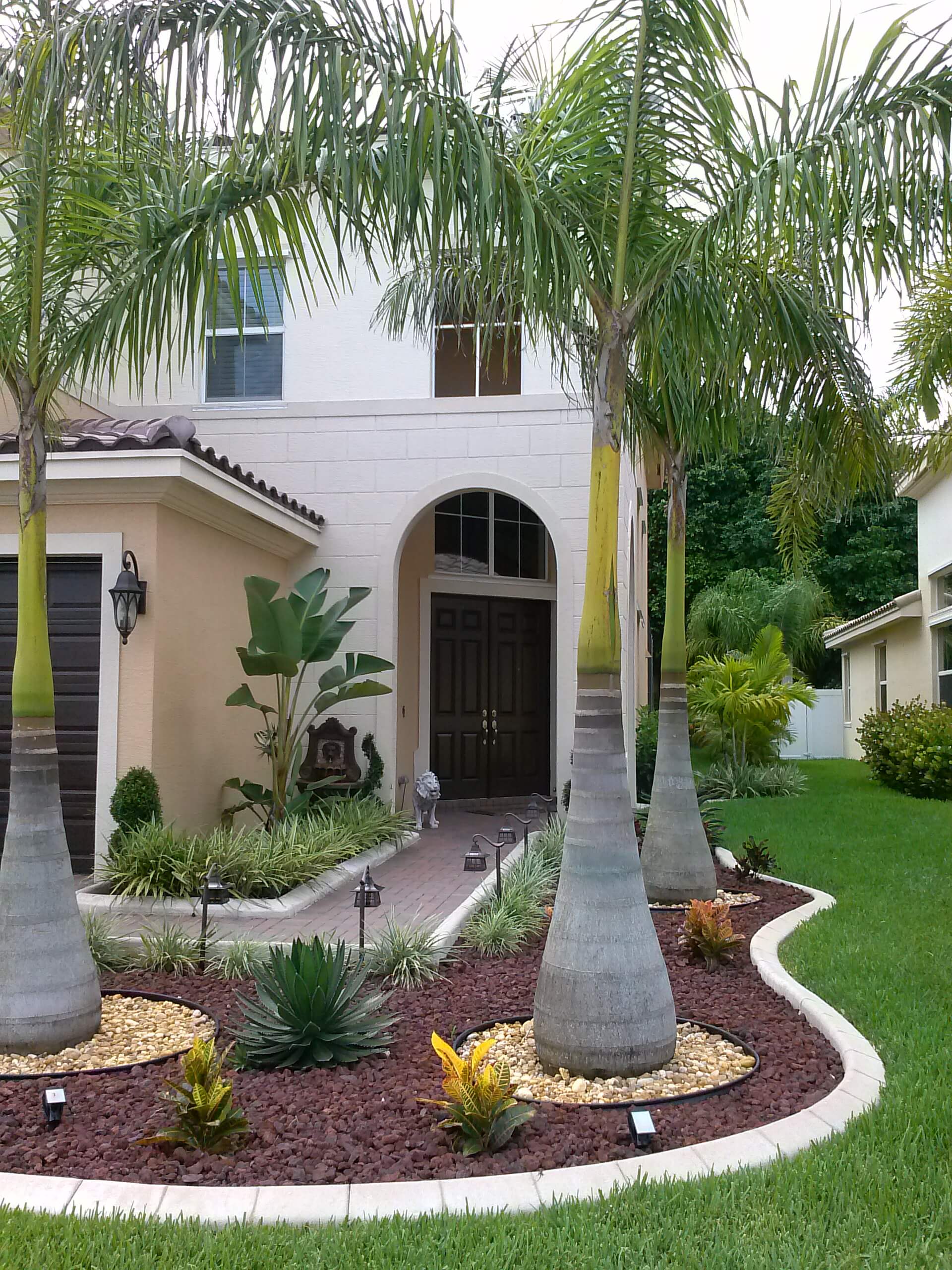
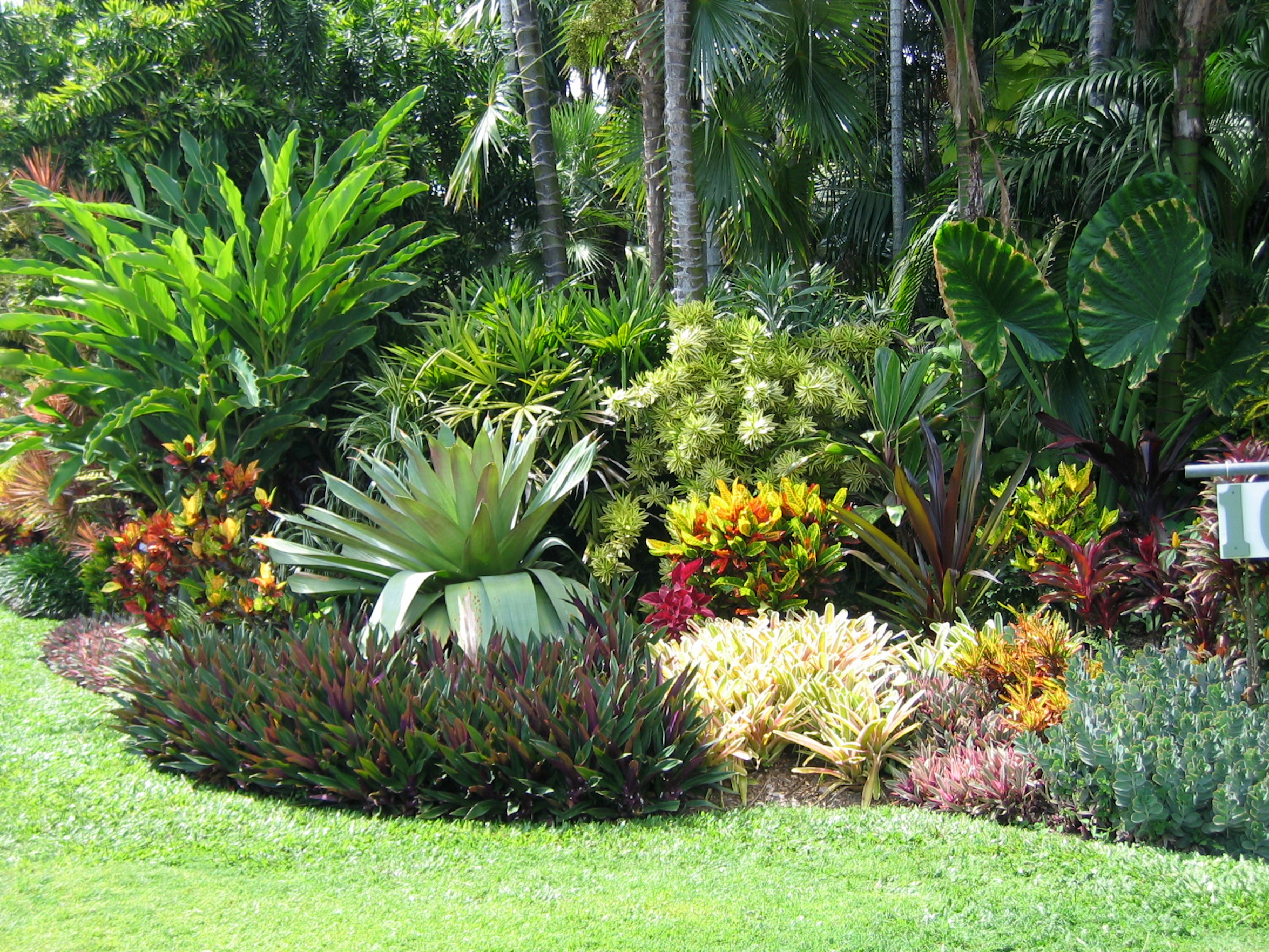
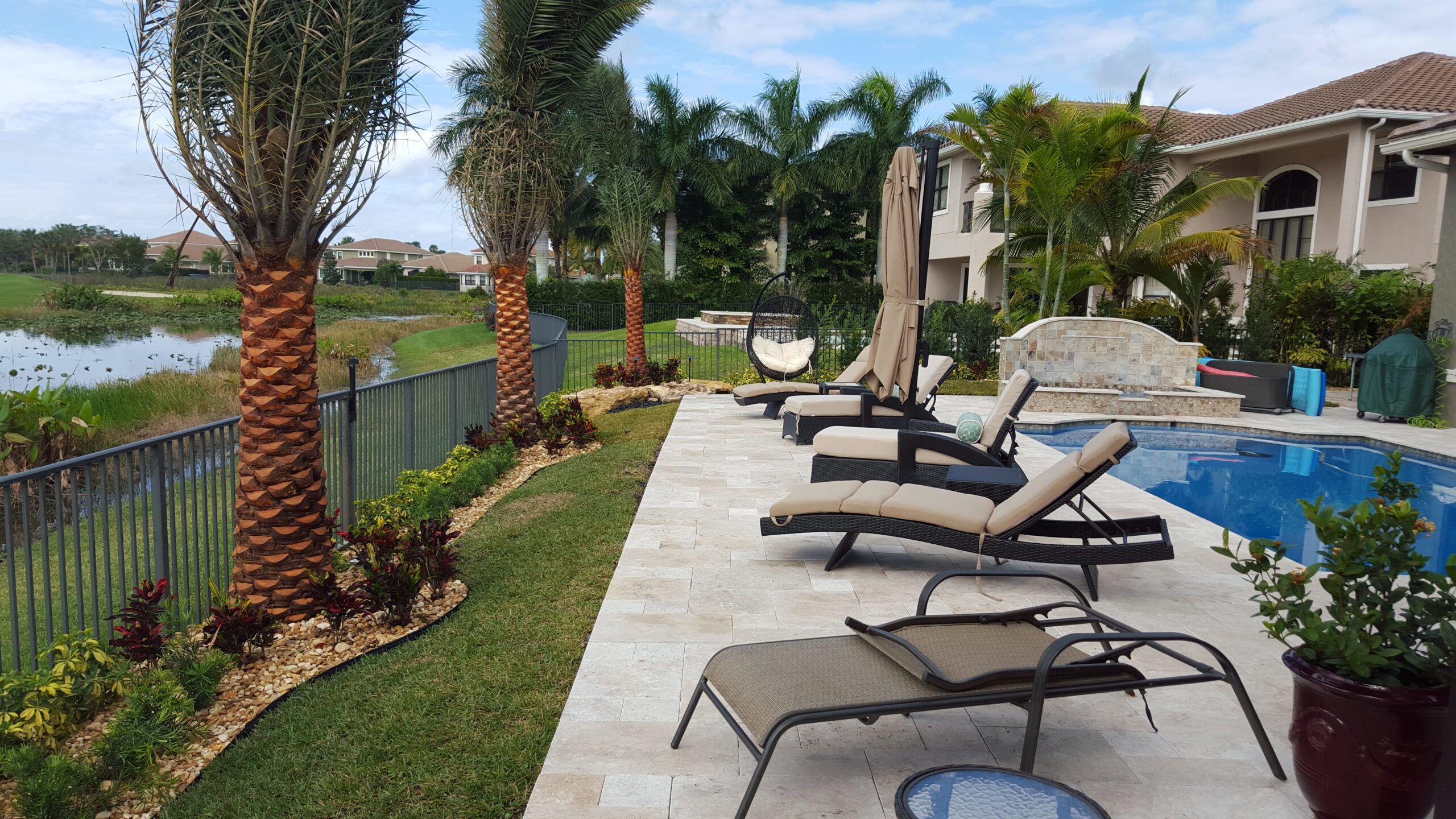
Image Grid 1

Understanding Cape Coral Growing Conditions
Cape Coral sits on Florida’s southwest coast with distinct environmental factors that directly impact plant selection and landscape design. Recognizing these conditions is the foundation of successful native plants Cape Coral guide implementation.
Soil Characteristics
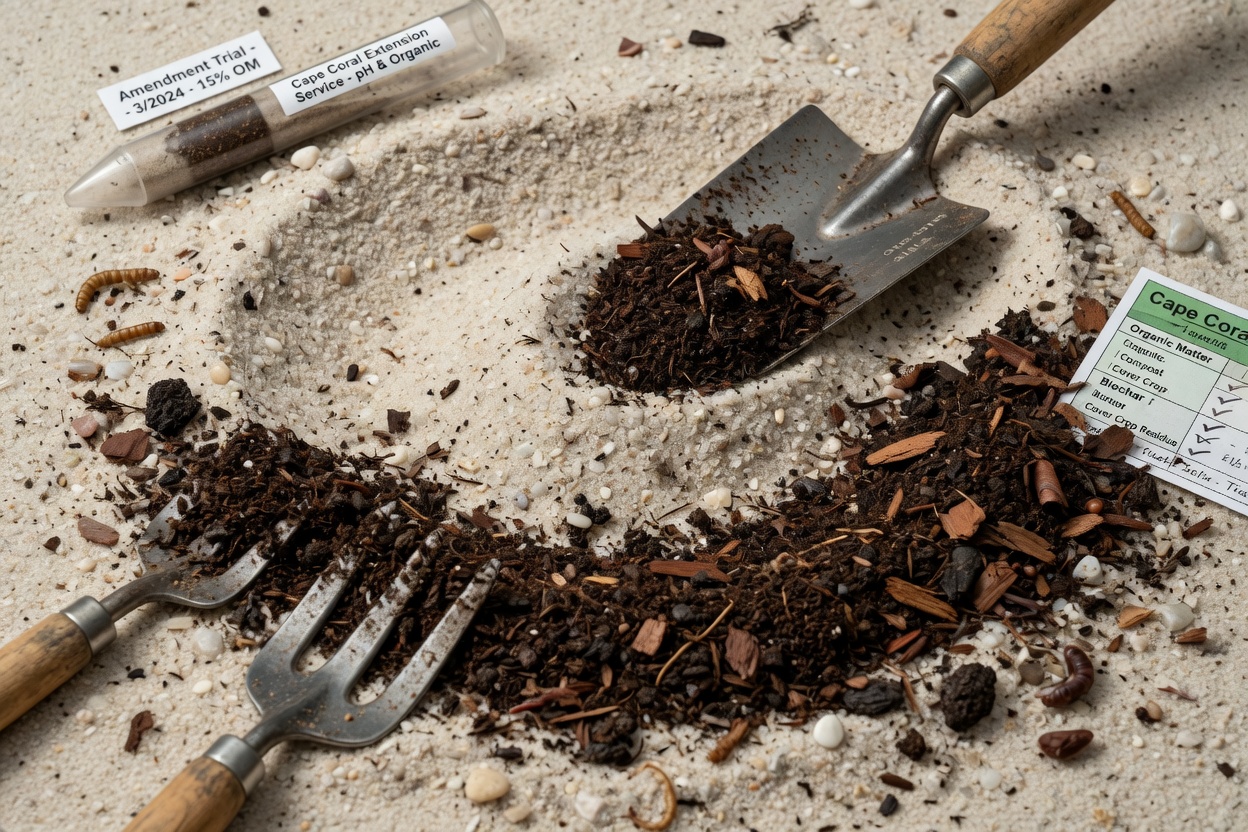
Most of Cape Coral rests on nutrient-poor, fast-draining sandy soils. These soils have low organic matter and limited water-holding capacity. In some neighborhoods, you’ll also encounter shell-based soils and occasional clay pockets. Successful cape coral native landscaping begins with understanding your specific soil profile through a simple jar test or professional soil analysis.
Climate and Microclimates
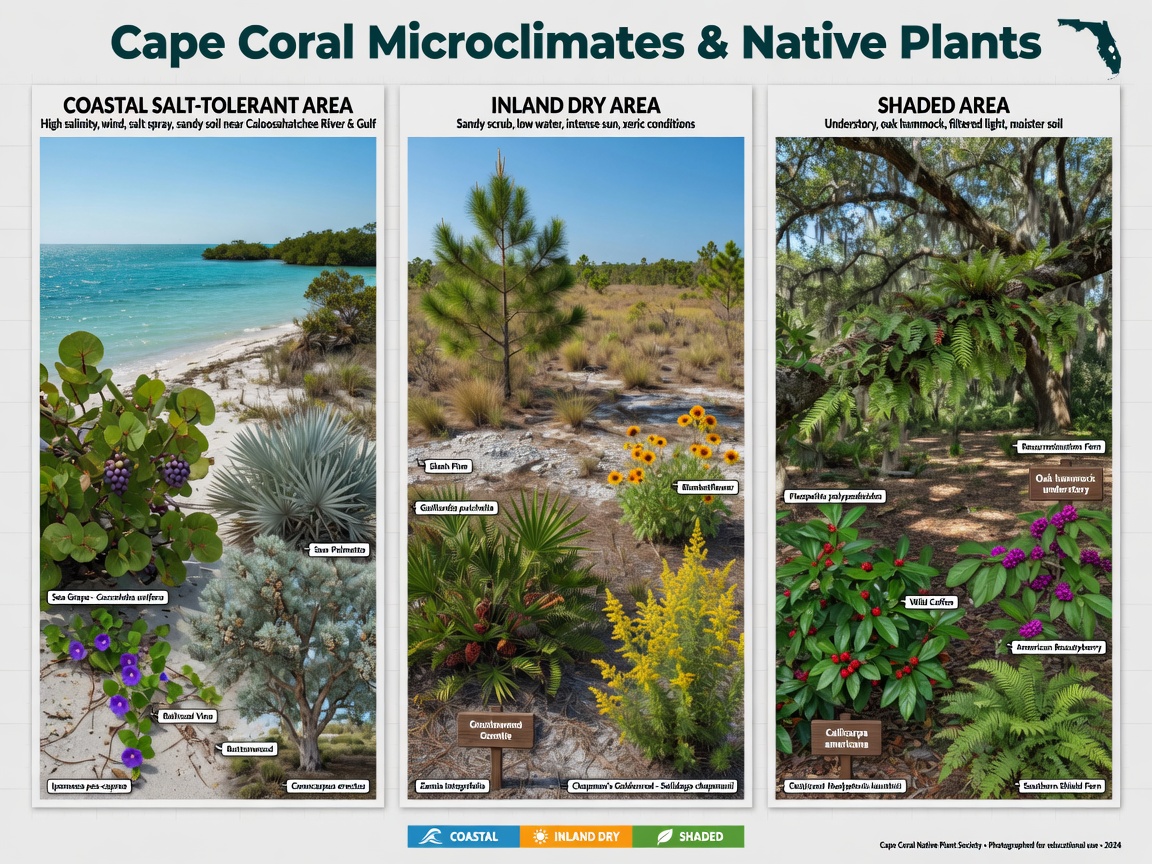
Cape Coral enjoys a subtropical climate with hot, humid summers and mild winters. Average annual rainfall is approximately 55 inches, but it’s unevenly distributed. The area experiences distinct wet and dry seasons. Coastal properties face salt spray and stronger winds, while inland neighborhoods deal with higher heat reflection from roads and houses.
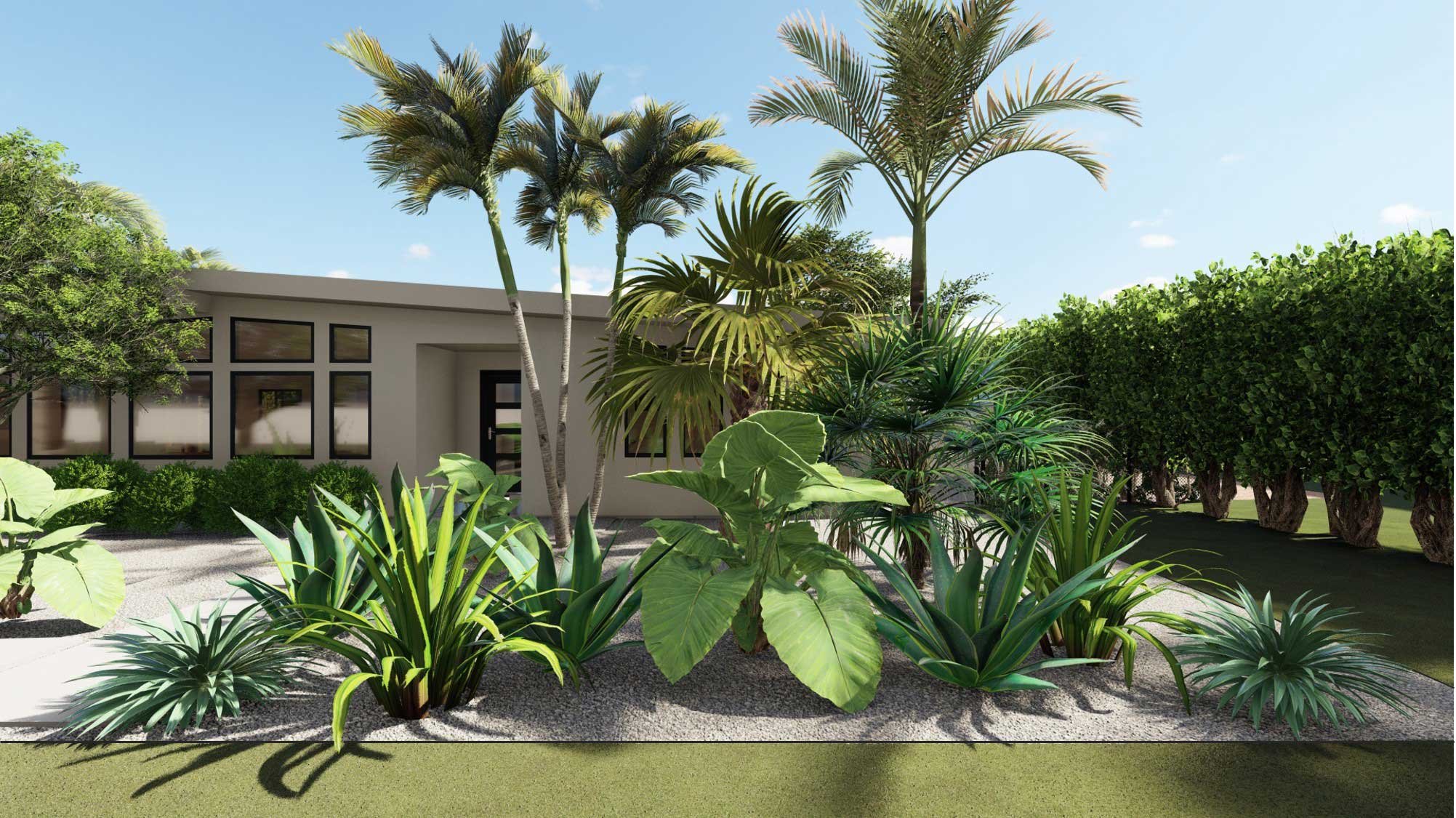
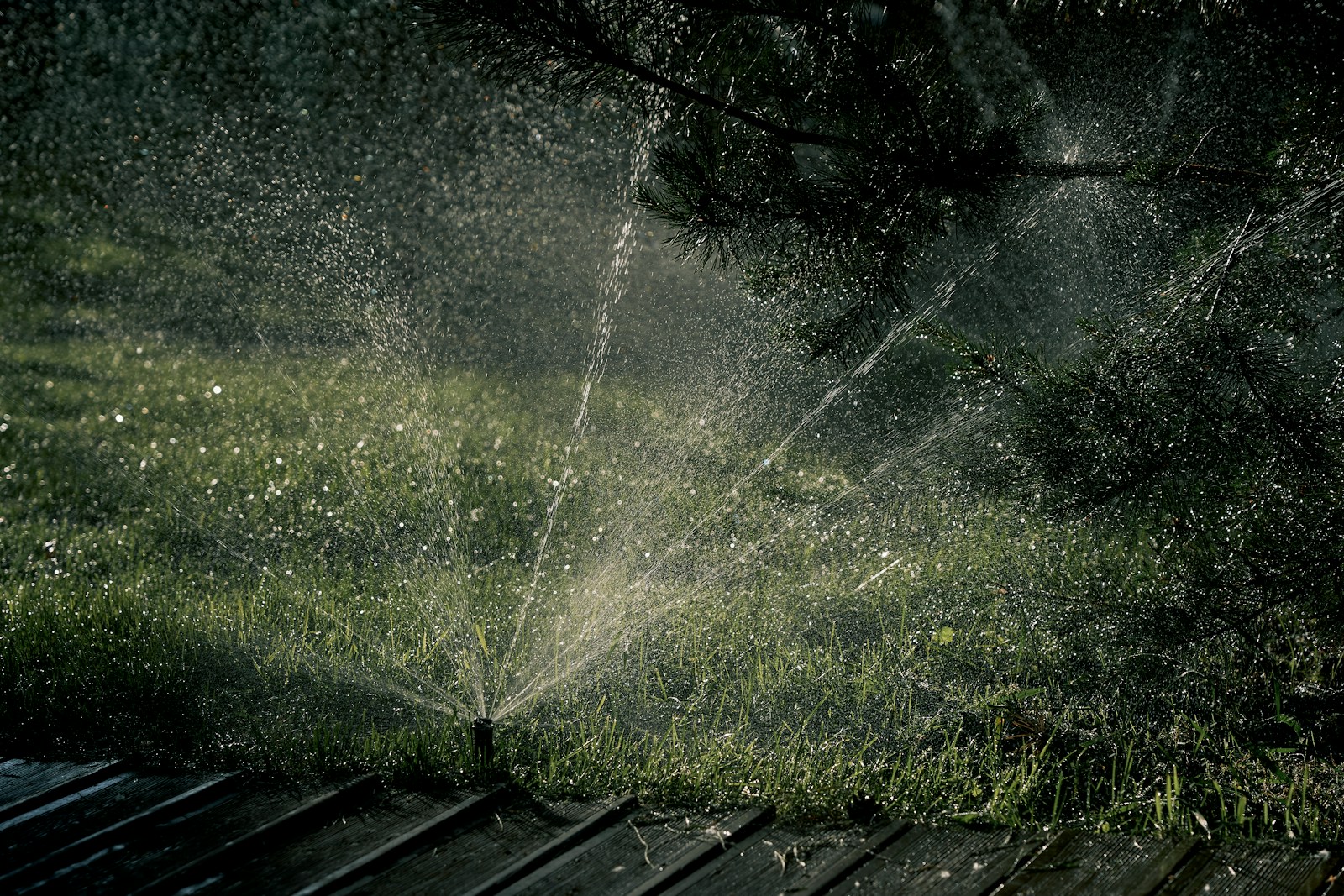
Image Grid 2
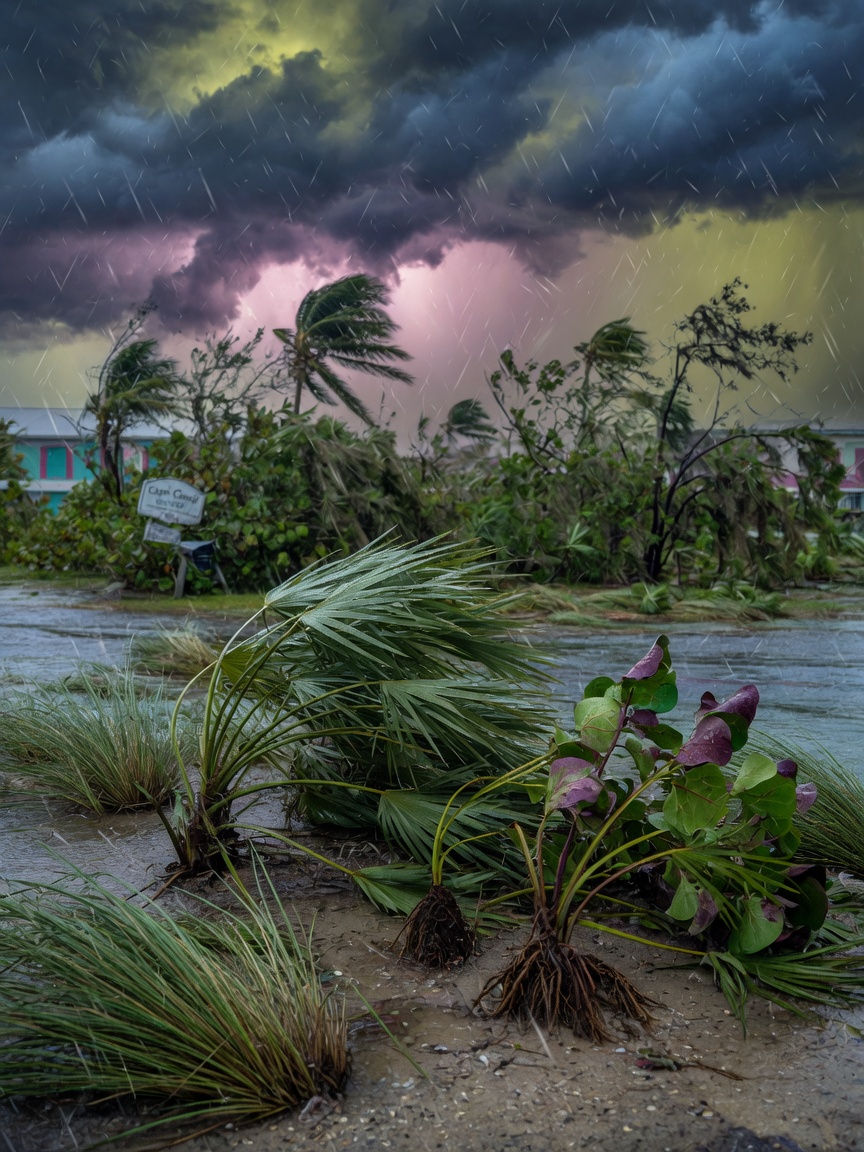
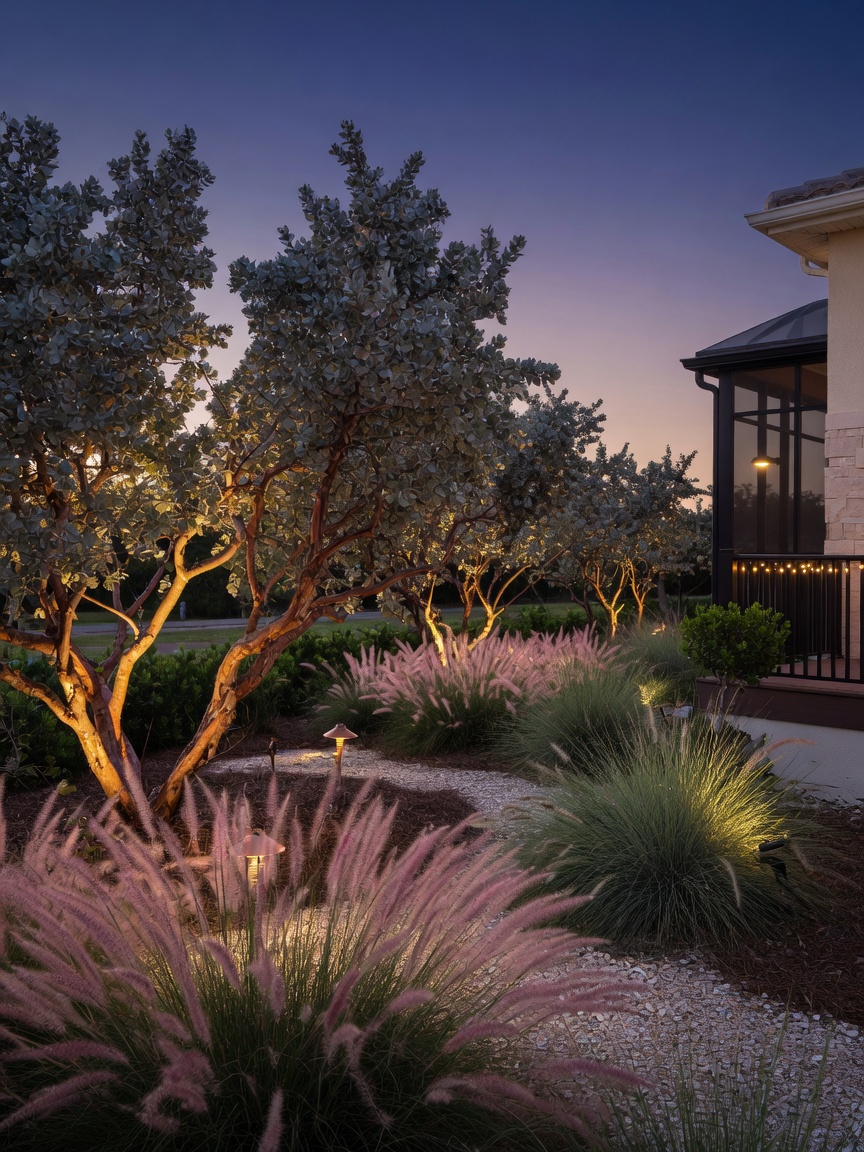
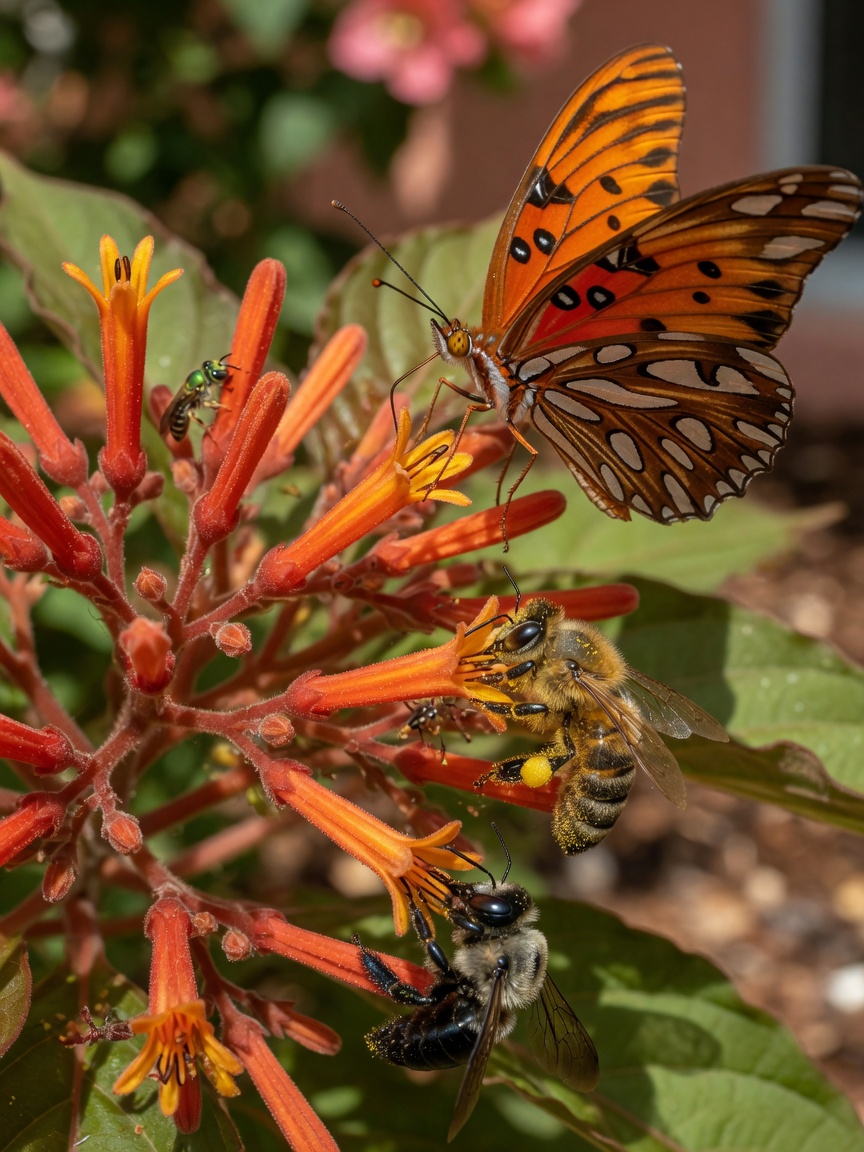


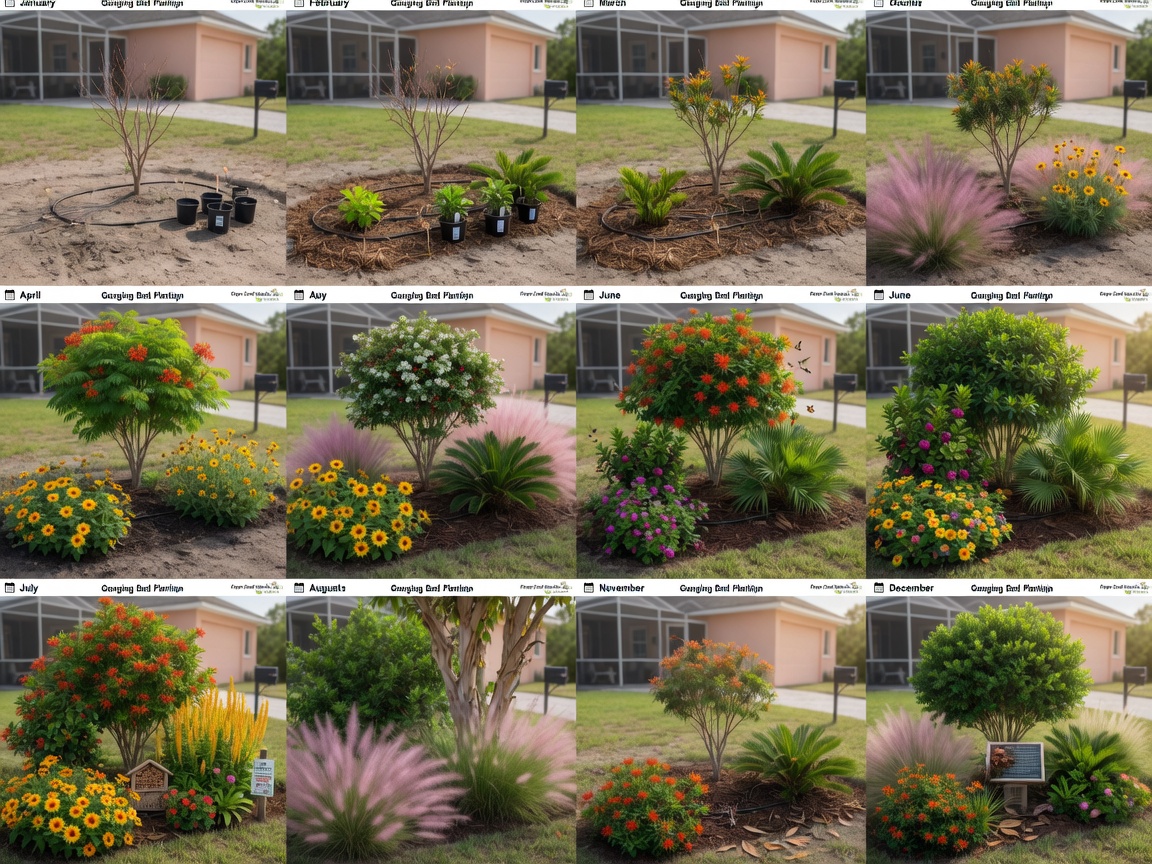
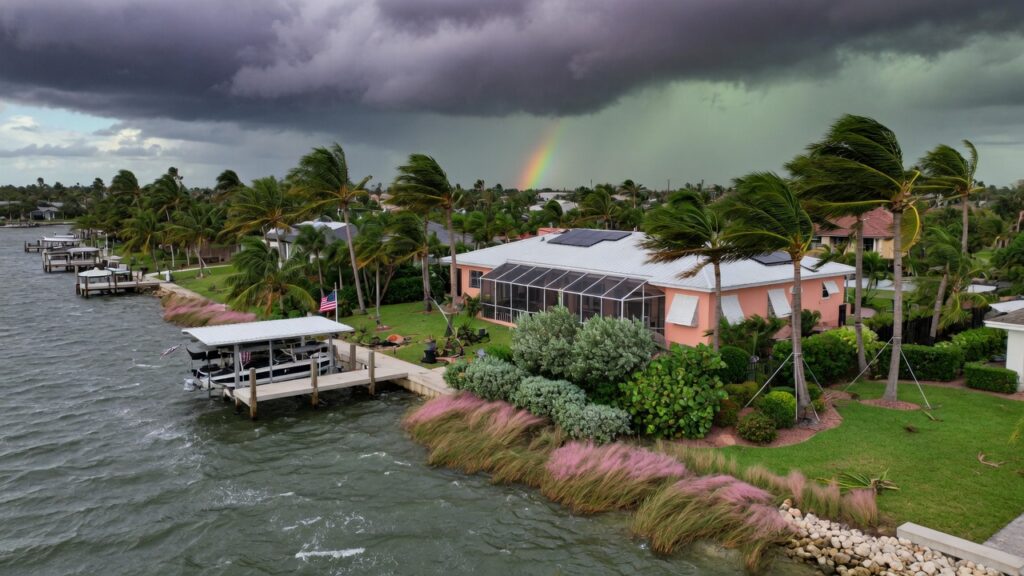
Hurricane season brings additional considerations. Plants must withstand high winds, heavy rain, and occasional flooding. Choosing wind-resistant native species dramatically increases your landscape’s survival rate during storms.
Water Restrictions and Conservation
Cape Coral enforces year-round water restrictions. Landscapes that rely heavily on irrigation quickly become expensive. This reality makes drought tolerant landscaping not just environmentally responsible but financially essential. Native plants that evolved in these conditions require far less supplemental water once established.
Top Native and Adaptive Plant Lists for Cape Coral
The following plants have proven themselves reliable in Cape Coral yards. They support local ecosystems, attract pollinators, and significantly reduce maintenance compared to non-native species.
Canopy Trees
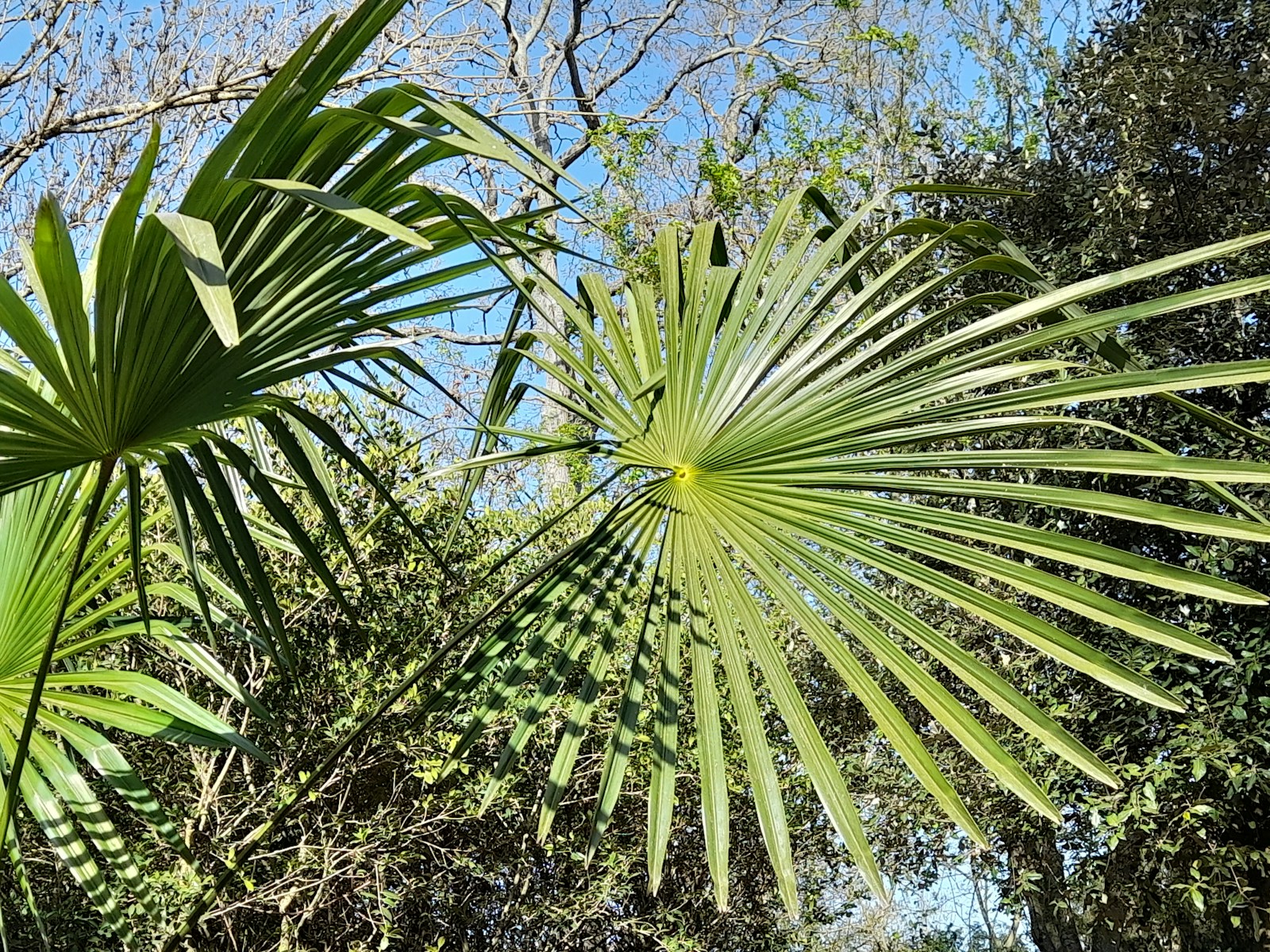
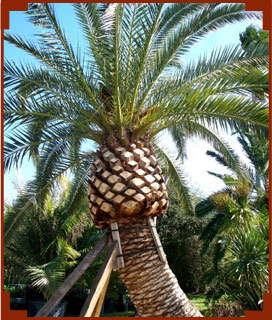
- Sabal Palm (Sabal palmetto) – Florida’s state tree, highly wind resistant, excellent salt tolerance.
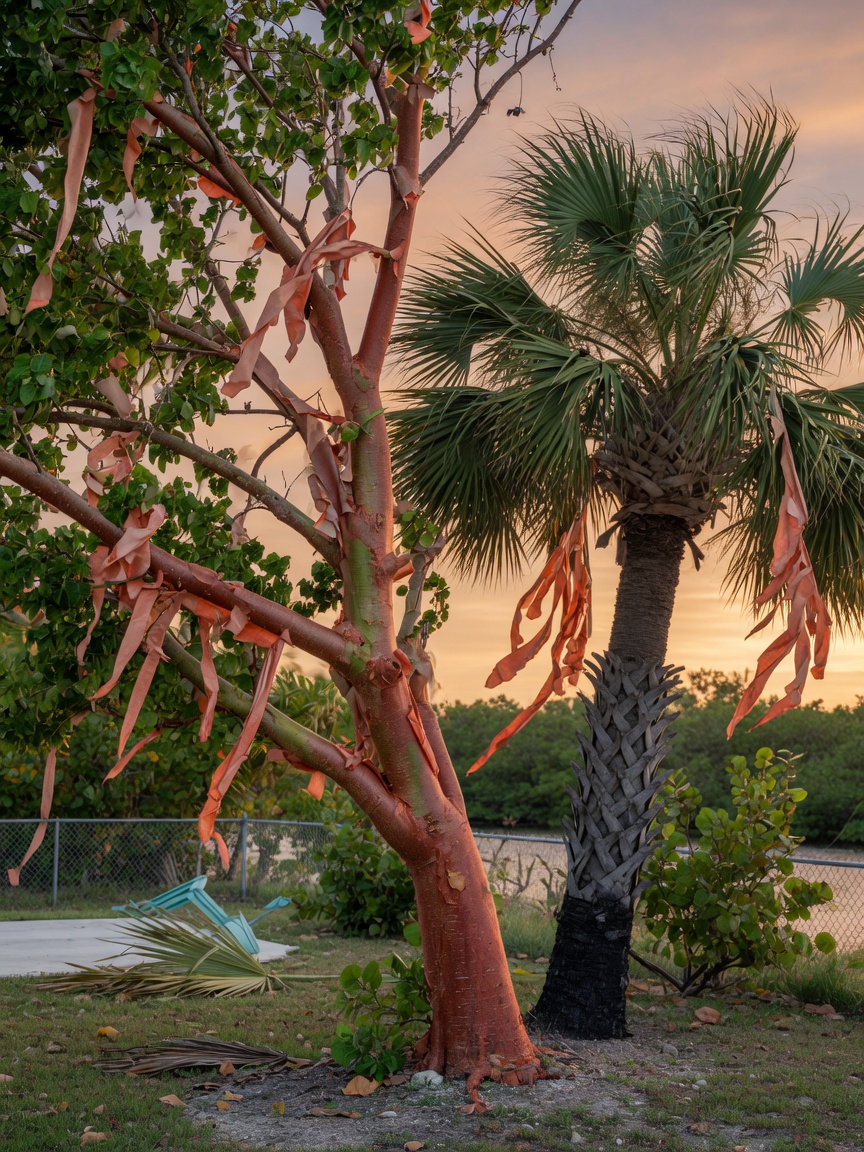
- Gumbo Limbo (Bursera simaruba) – Fast-growing, sheds bark like sunburned skin, excellent hurricane resistance.
- Live Oak (Quercus virginiana) – Majestic, long-lived, provides excellent shade and wildlife habitat.
- Slash Pine (Pinus elliottii) – Native pine that thrives in sandy soils, supports numerous butterfly species.
- Simpson Stopper (Myrcianthes fragrans) – Compact evergreen tree with fragrant flowers and colorful berries.
Small Trees and Large Shrubs
- Firebush (Hamelia patens) – Brilliant red tubular flowers attract hummingbirds and butterflies.
- Wild Coffee (Psychotria nervosa) – Glossy foliage, red berries for birds, shade tolerant.
- Beautyberry (Callicarpa americana) – Striking purple berries in autumn, very drought tolerant once established.
- Buttonwood (Conocarpus erectus) – Excellent salt tolerance, silver and green cultivars available.
Flowering Perennials and Groundcovers
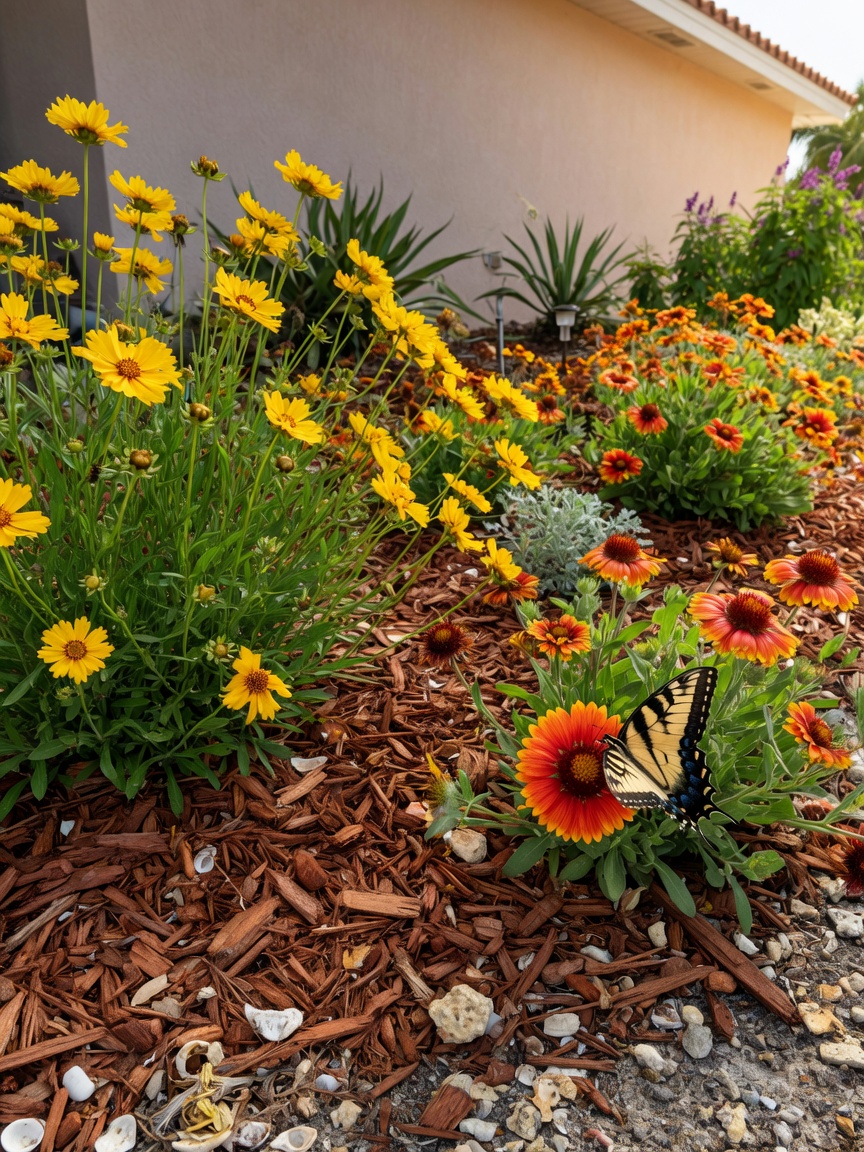
- Coreopsis (Coreopsis leavenworthii) – Bright yellow flowers, Florida’s state wildflower.
- Blanket Flower (Gaillardia pulchella) – Vibrant bi-colored blooms, extremely drought tolerant.
- Beach Sunflower (Helianthus debilis) – Fast-spreading groundcover with cheerful yellow flowers.
- Black-eyed Susan (Rudbeckia hirta) – Classic golden flowers beloved by pollinators.
- Mexican Heather (Cuphea hyssopifolia) – Adaptive plant with delicate purple flowers.
Grasses and Sedges
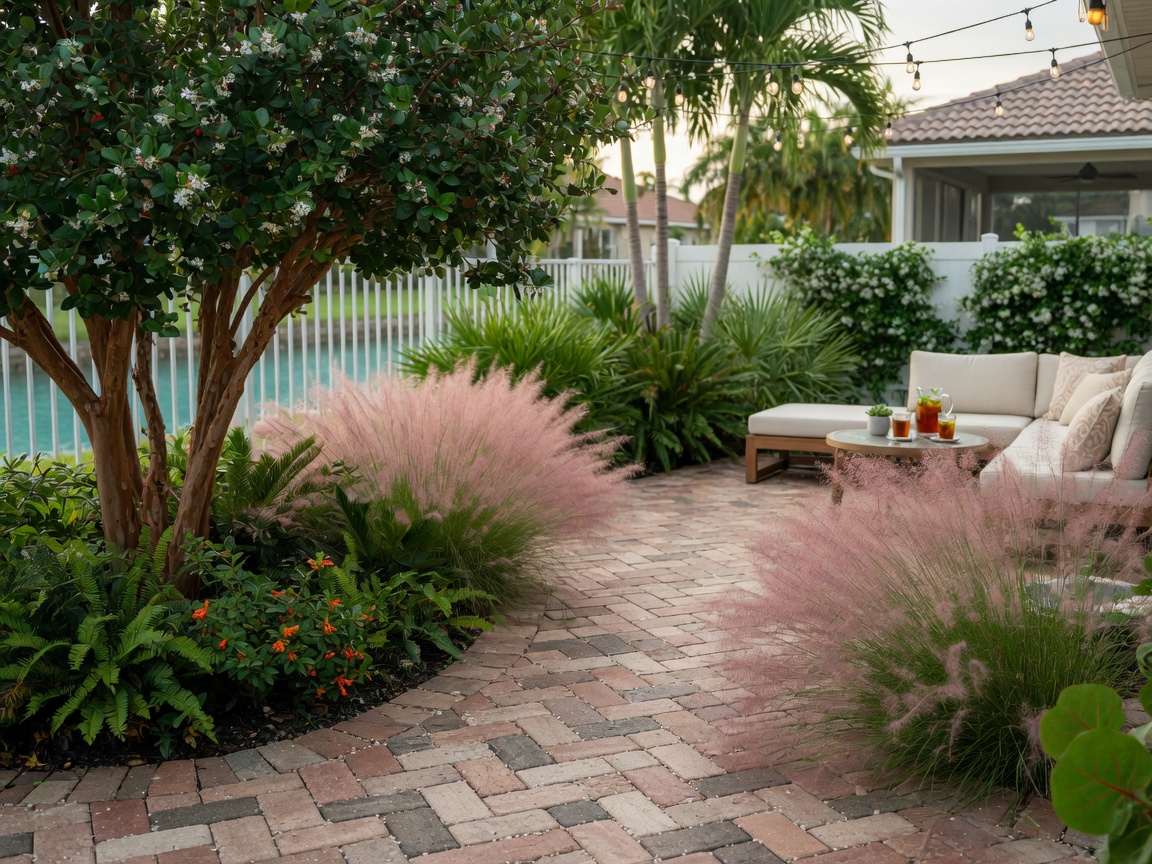
- Muhly Grass (Muhlenbergia capillaris) – Spectacular pink plumes in fall, low maintenance beauty.
- Fakahatchee Grass (Tripsacum dactyloides) – Tall, graceful native grass that tolerates wet and dry conditions.
- Dwarf Fakahatchee Grass – More compact version perfect for smaller yards.
Coastal and Salt-Tolerant Specialists
For properties near the Caloosahatchee River or canals, prioritize these ultra-salt-tolerant species: Mangrove species (where permitted), Sea Grape, Joewood, and Silver Buttonwood.
Design Principles for Resilience
Effective cape coral native landscaping follows principles that maximize beauty while minimizing resource consumption and storm vulnerability.
Right Plant, Right Place Philosophy
Match plants to specific microclimates on your property. Place salt-sensitive species away from waterfront exposure. Use larger, more wind-firm trees as windbreaks for more vulnerable plants. Group plants with similar water needs together (hydrozoning) to optimize irrigation efficiency.
Hurricane-Resilient Design
- Avoid planting tall, top-heavy trees near structures.
- Use mass plantings of smaller, flexible-stemmed plants that bend rather than break.
- Create wind corridors rather than solid walls that can create damaging turbulence.
- Incorporate deep-rooted native trees that anchor soil and reduce erosion.
Layered Landscape Design
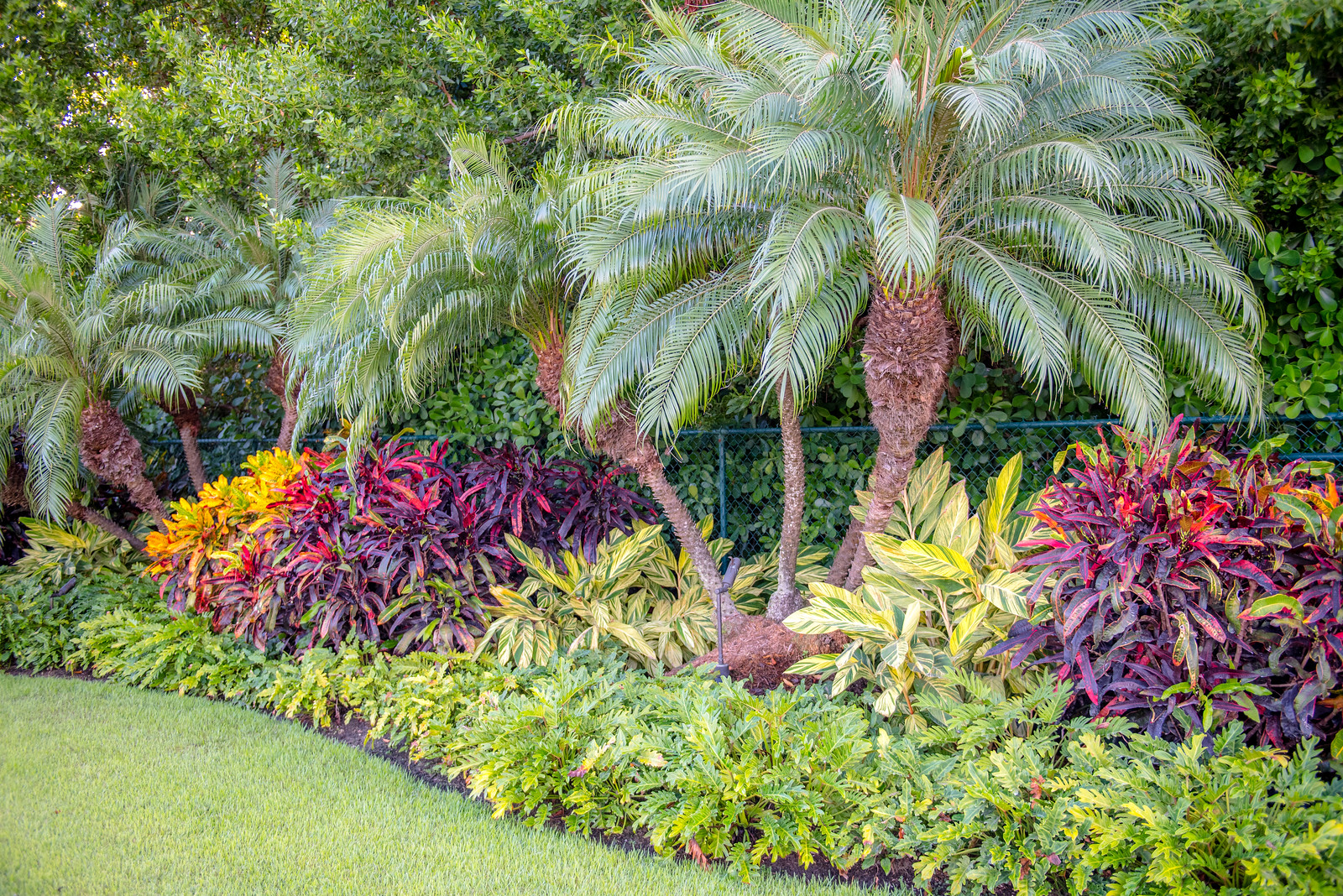
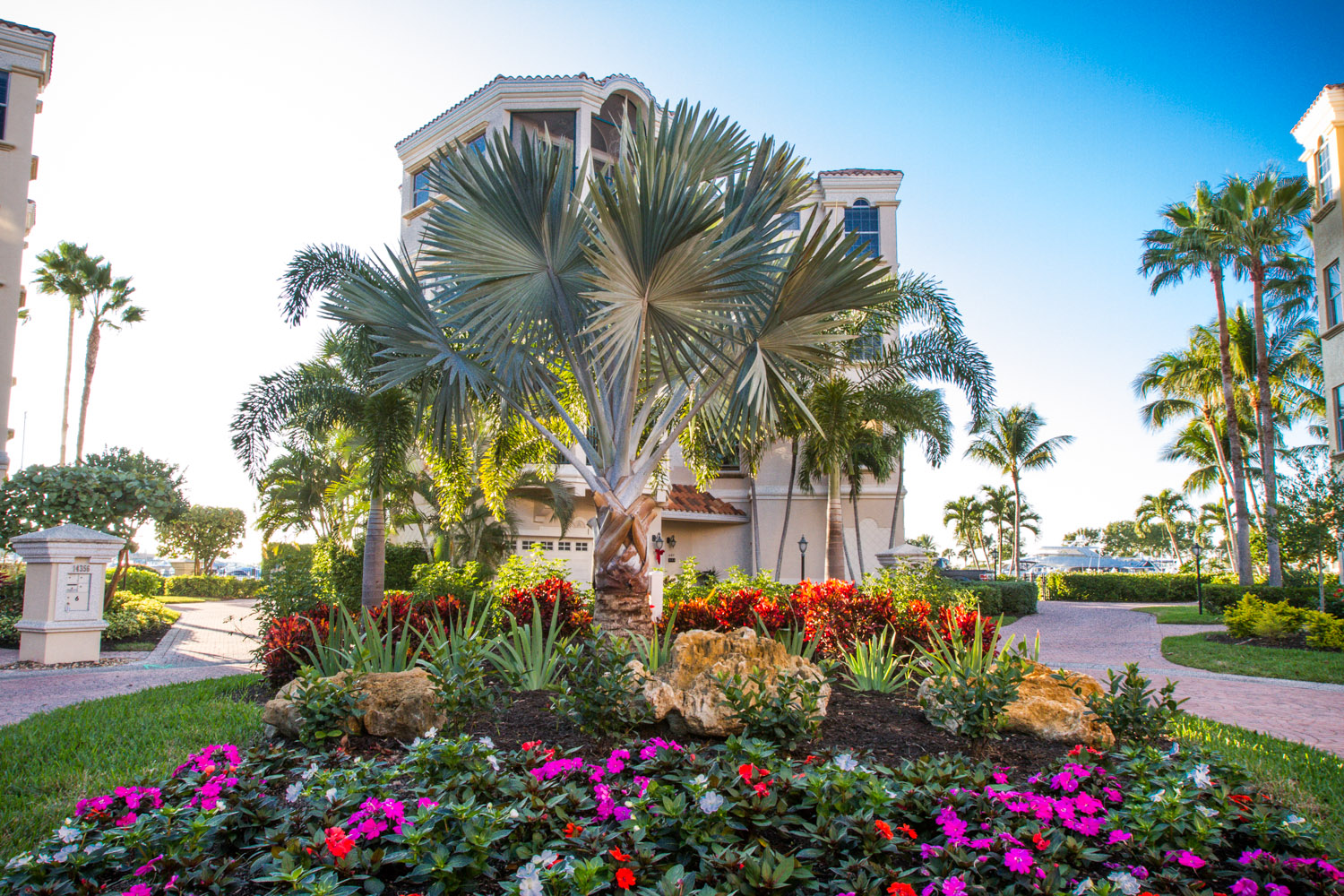
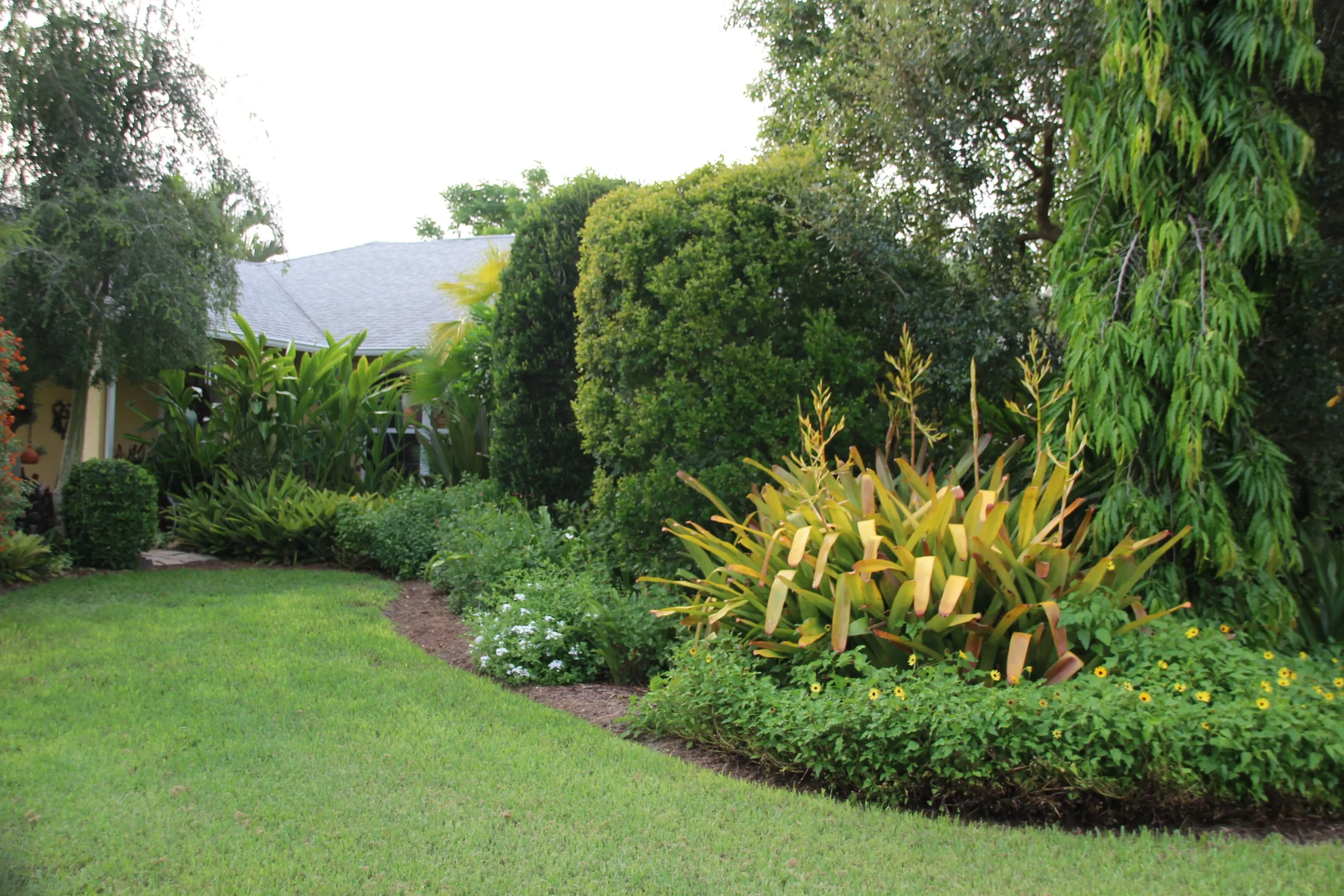
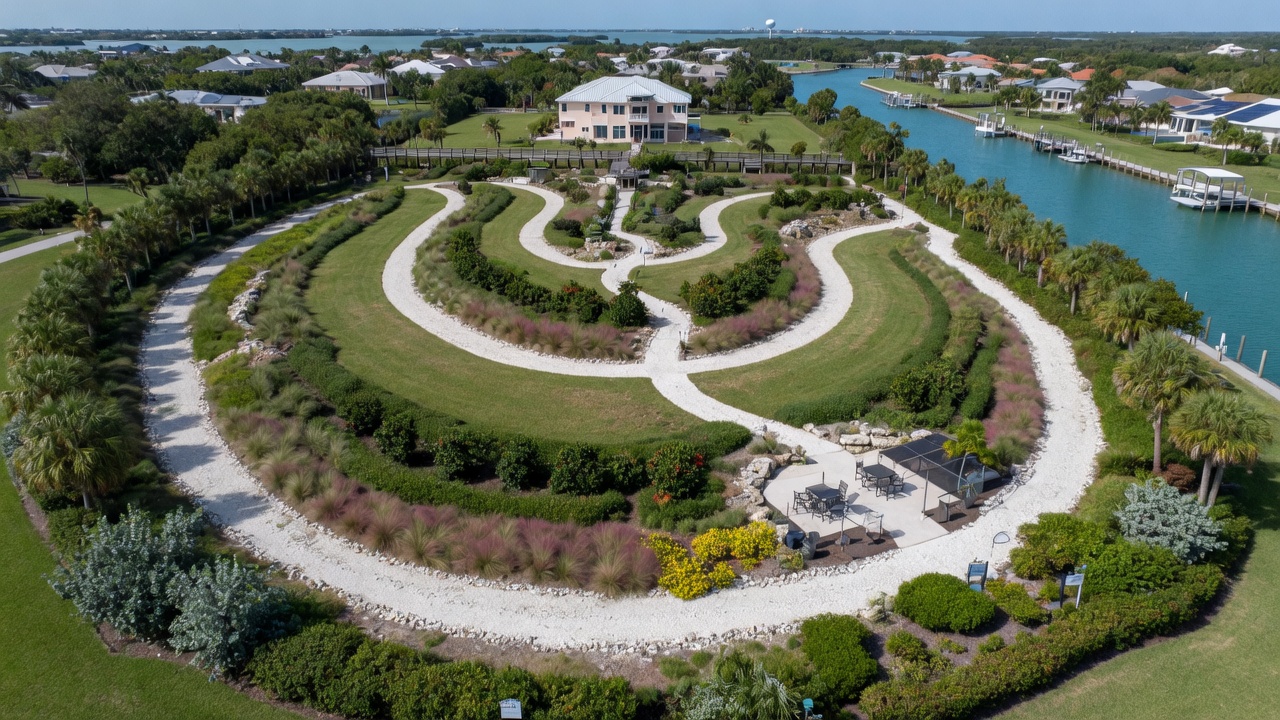
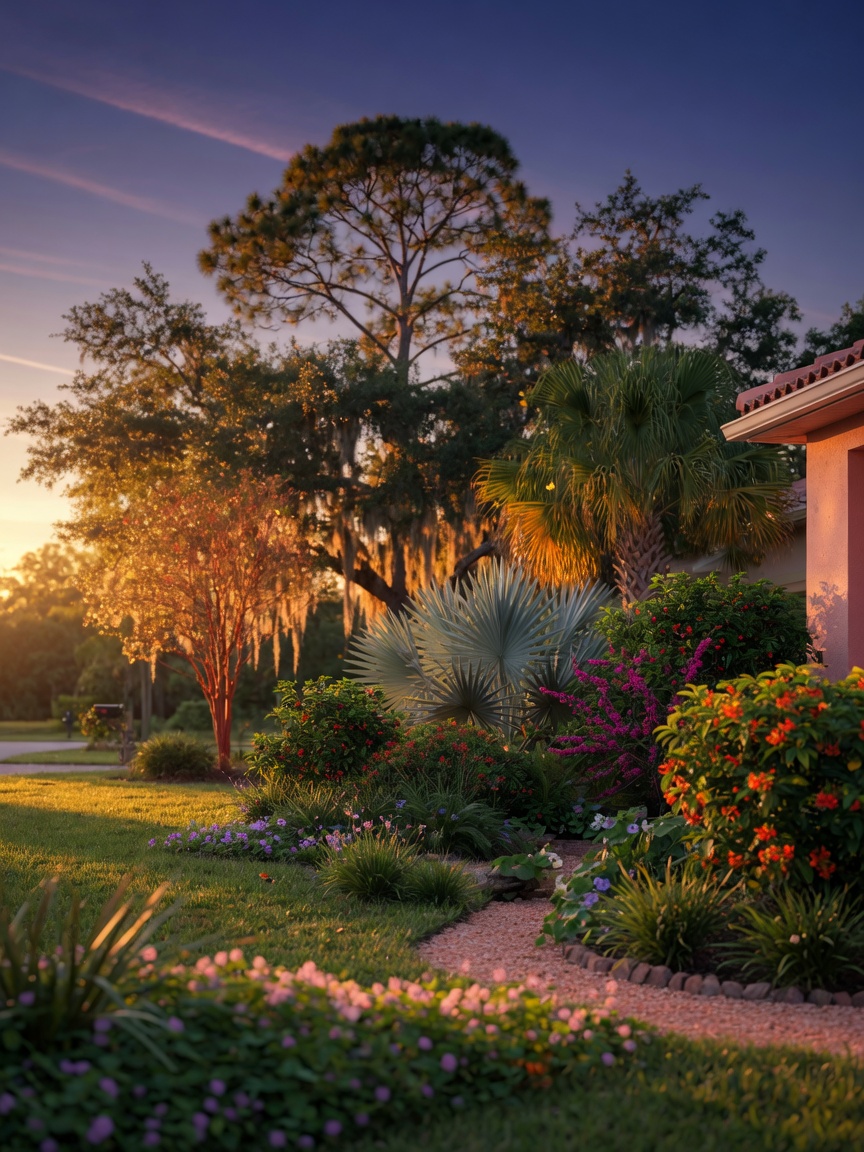
A successful Florida native landscape includes canopy trees, understory trees, shrubs, perennials, and groundcovers. This multi-layered approach mimics natural ecosystems, reduces weeds, conserves moisture, and creates visual interest throughout the year.
Creating a Low Maintenance Yard Florida Homeowners Love
Focus on plants with slow growth rates, minimal litter, and natural pest resistance. Strategic placement of mulch and appropriate hardscaping further reduces weekly maintenance requirements.
Hardscaping and Mulch Strategies
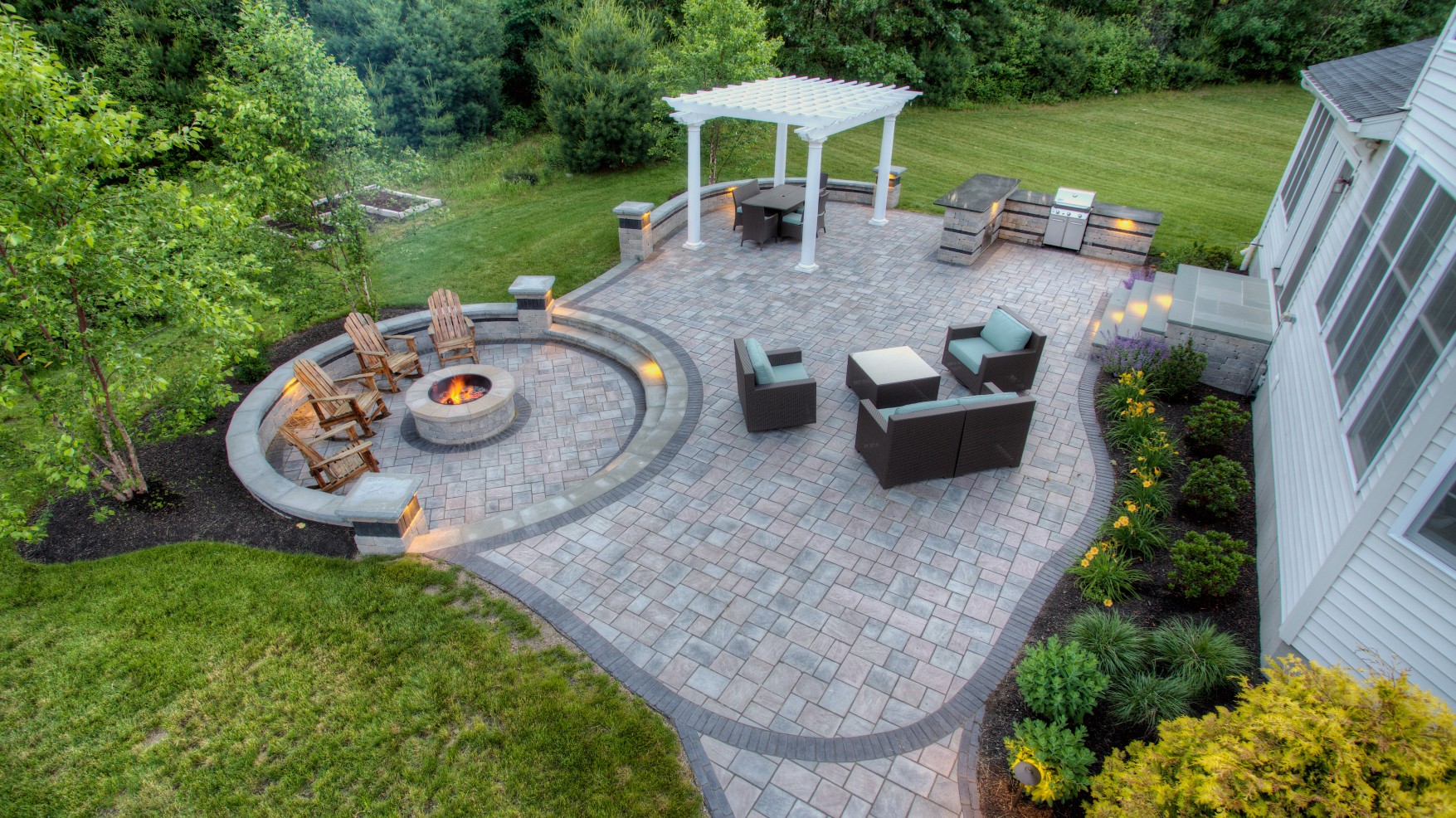
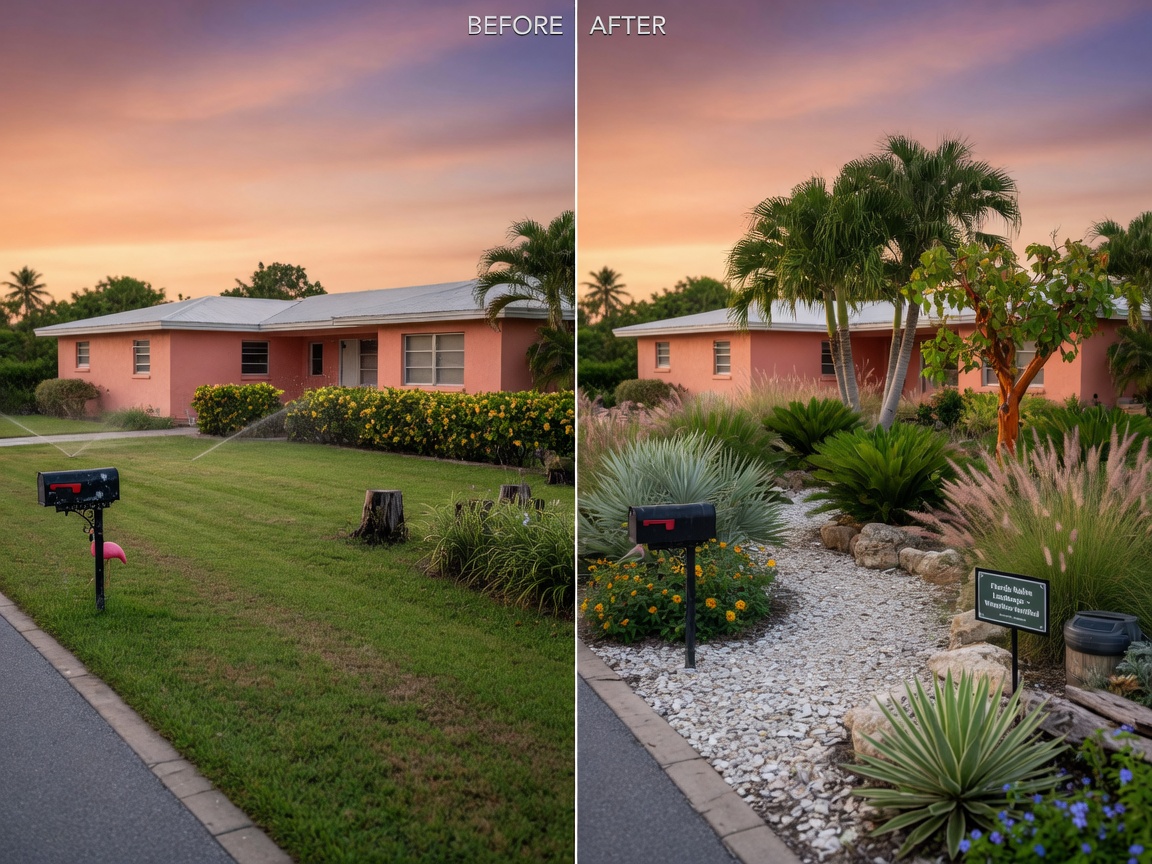
Hardscaping elements reduce lawn areas, lower water consumption, and create functional outdoor living spaces that complement native plantings.
Recommended Hardscaping Elements
- Permeable pavers for driveways and patios that allow rainwater infiltration.
- Shell paths that complement Cape Coral’s coastal aesthetic.
- Coral rock or coquina retaining walls that blend naturally with native plants.
- Crushed granite or river rock in dry creek beds for drainage areas.
Mulch Selection and Application
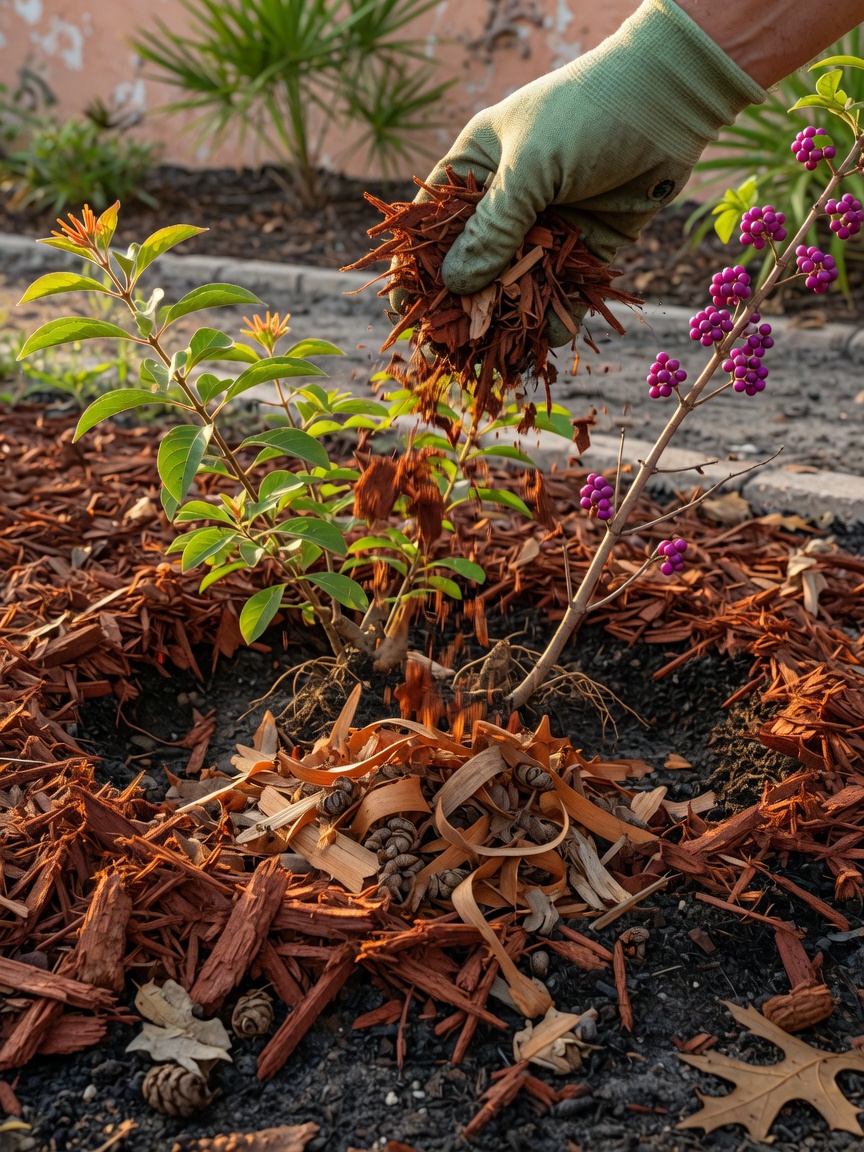
Using the right mulch is critical in drought tolerant landscaping. In Cape Coral, melaleuca mulch and eucalyptus mulch perform exceptionally well. Apply a 3-inch layer, keeping it several inches away from plant stems to prevent rot and pest issues. Refresh mulch annually to maintain weed suppression and moisture retention.
Irrigation Without Waste
Smart irrigation makes the difference between a sustainable landscape and one that drains your budget.
Water Restriction Compliant Strategies
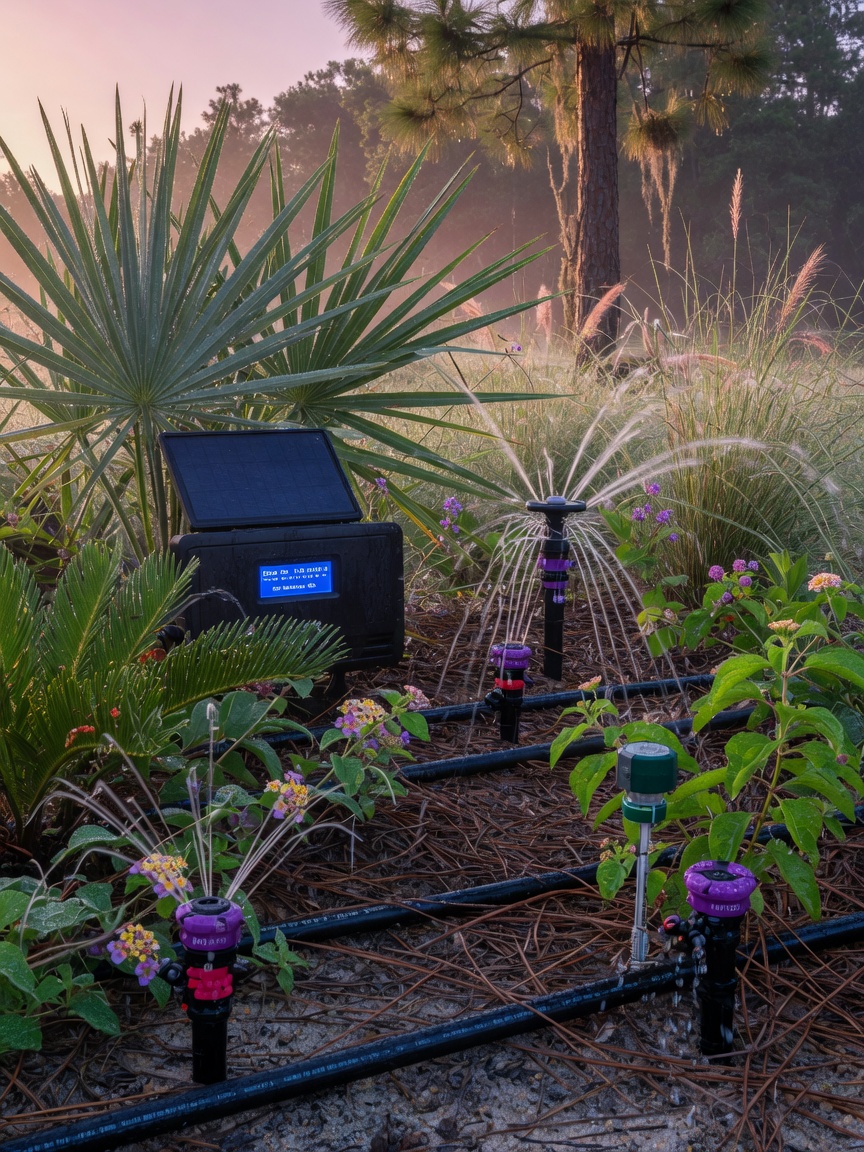
Cape Coral allows landscape irrigation only on specific days and times. Design your system to comply while maximizing efficiency:
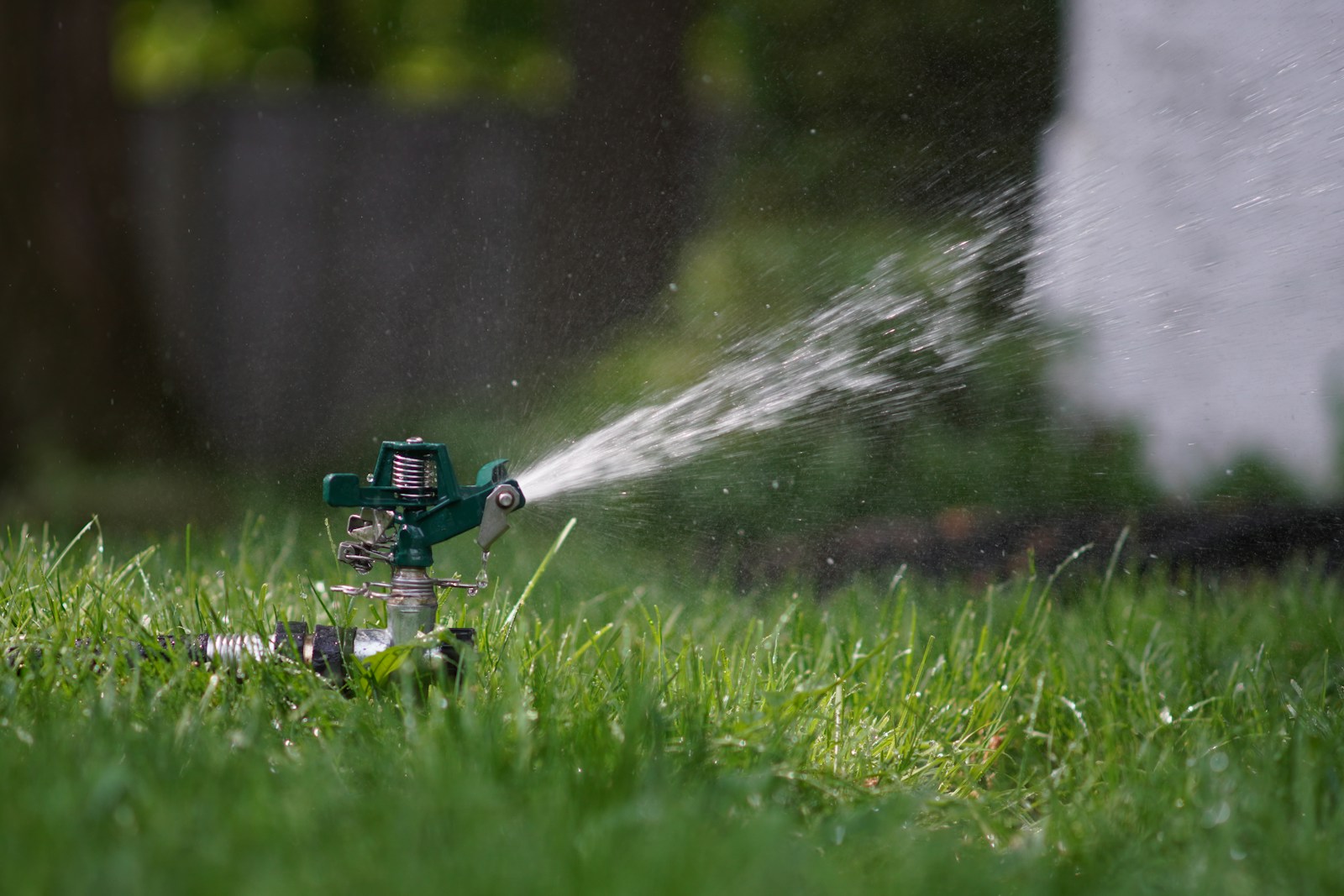
- Install smart controllers that adjust based on weather data.
- Use drip irrigation for individual trees and shrubs.
- Choose rotary nozzles with higher uniformity ratings for lawn areas.
- Incorporate rain sensors and soil moisture sensors.
- Create separate zones for high and low water-use plants.
Establishment vs Long-Term Watering
New plants need consistent moisture for the first 90 days. After establishment (usually 12-18 months for most native species), many Cape Coral native plants survive on rainfall alone. This transition dramatically reduces your water bill and supports local water conservation efforts.
Phased Implementation Plans
Transforming your entire yard at once can be overwhelming and expensive. A phased approach makes cape coral native landscaping more manageable.
Phase 1: Planning and Preparation (Month 1)
Soil testing, measuring, design creation, and removal of invasive or high-maintenance plants.
Phase 2: Hardscaping and Infrastructure (Months 2-3)
Install irrigation, drainage solutions, patios, and pathways.
Phase 3: Planting the Framework (Months 4-5)
Install canopy trees, structural shrubs, and larger specimens first.
Phase 4: Filling and Finishing (Month 6+)
Add perennials, groundcovers, and decorative elements. This allows time to observe how plants perform in your specific conditions.
Seasonal Maintenance Calendar
Spring (March-May)
- Apply slow-release organic fertilizer as new growth begins.
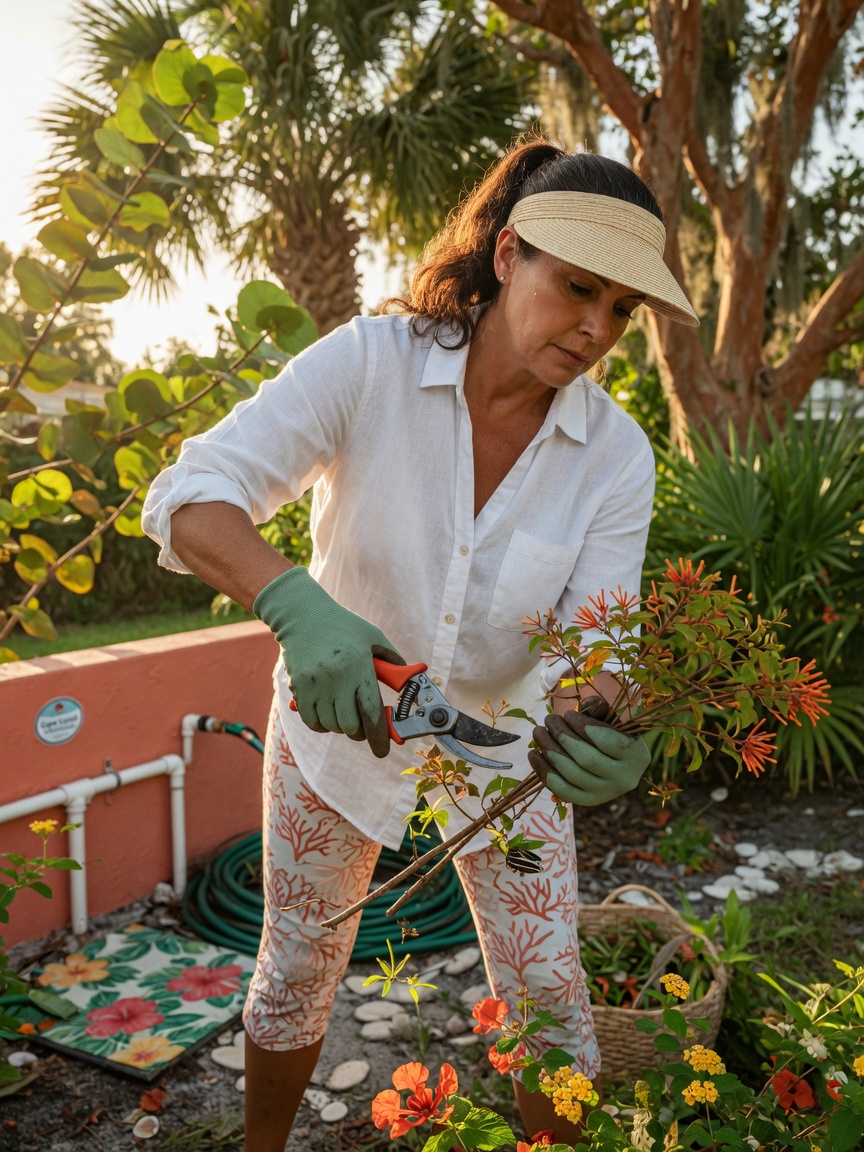
- Prune dead or damaged branches after last frost risk.
- Reapply mulch as needed.
- Divide and transplant perennials.
Summer (June-August)
- Deep water during dry spells following water restriction days.
- Monitor for fungal issues during humid periods.
- Enjoy the peak flowering season and increased pollinator activity.
Fall (September-November)
- Best time for planting new trees and shrubs.
- Heavy pruning of overgrown shrubs before winter.
- Collect seeds from native plants for future propagation.
- Plant wildflower seeds for spring blooms.
Winter (December-February)
- Light pruning of non-flowering plants.
- Minimal irrigation needs.
- Plan and design improvements for the coming year.
- Enjoy the structural beauty of native grasses and evergreen foliage.
Conclusion: Investing in Your Cape Coral Landscape
Creating a cape coral native landscaping design is one of the smartest investments Cape Coral homeowners can make. These landscapes require less water, less fertilizer, less pruning, and recover faster after storms. They support local wildlife, reduce your carbon footprint, and create unique, authentic Florida beauty that generic landscapes cannot match.
Whether you implement these ideas yourself or partner with experienced professionals, the principles in this native plants Cape Coral guide will help you develop a resilient, sustainable, and beautiful yard that enhances your property value and quality of life for decades to come.
Ready to begin your transformation? Start small with a foundation of native trees and layered plantings. Your future self—and your water bill—will thank you.