






Cape Coral Landscaping Design Trends and Tree Removal Guide for 2025
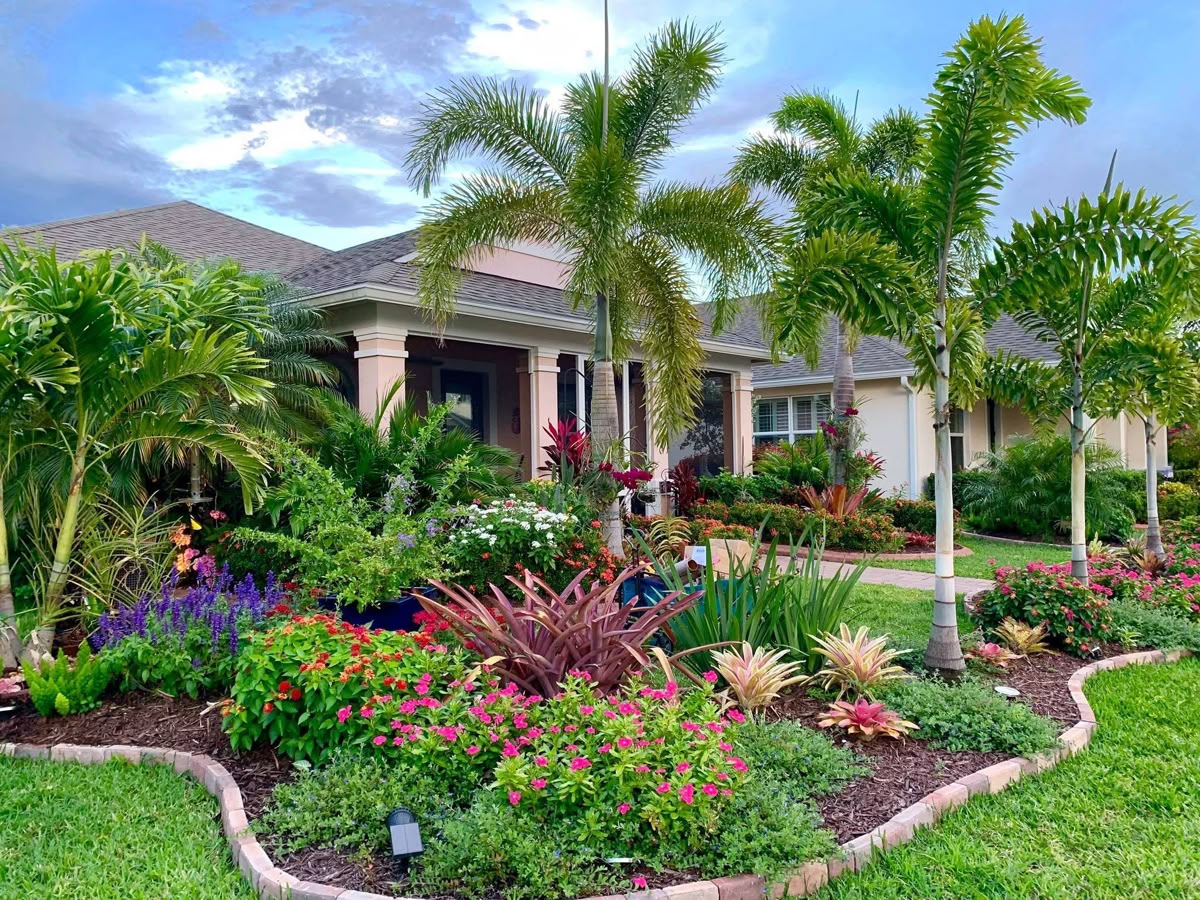
As Southwest Florida continues to grow, so does the demand for beautiful, sustainable, and climate-resilient outdoor spaces. Cape Coral homeowners face unique challenges including intense summer heat, seasonal flooding, salt spray, and increasingly unpredictable weather patterns. This comprehensive guide explores the top Cape Coral landscaping trends for 2025, practical hardscaping solutions, professional tree risk assessment, and a month-by-month maintenance calendar to keep your property thriving year-round.
Why Cape Coral Landscaping Requires a Specialized Approach
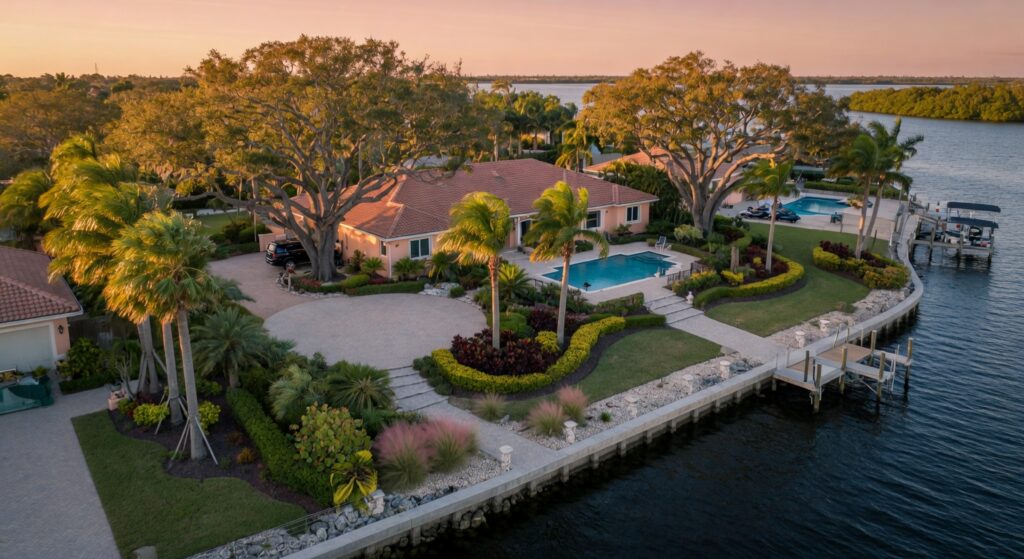
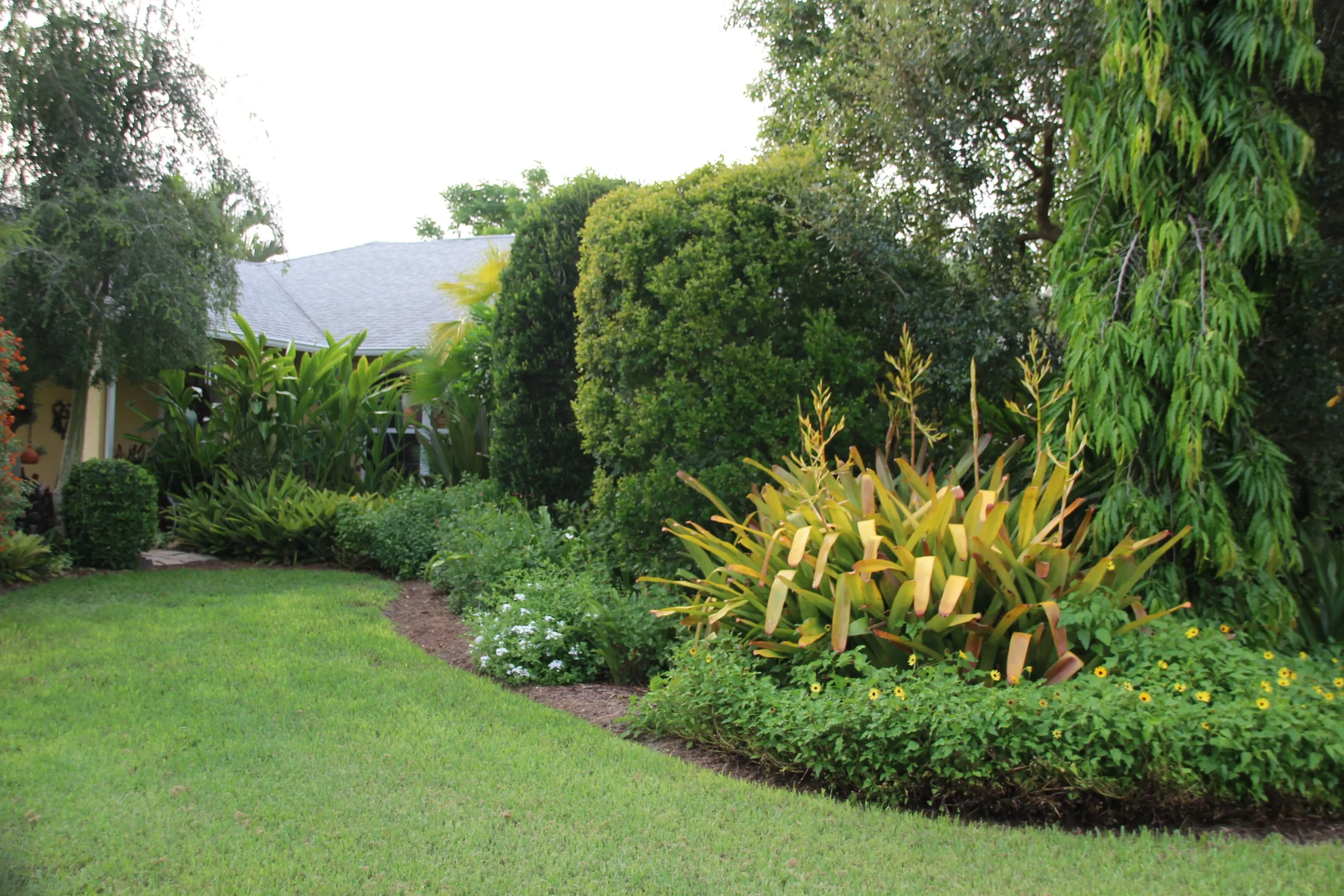
Cape Coral’s subtropical climate, sandy soils, and proximity to water create both opportunities and obstacles for homeowners. Successful landscapes in this region must balance beauty with practicality—prioritizing native and Florida-friendly plants that conserve water while withstanding hurricane-force winds and salt tolerance.
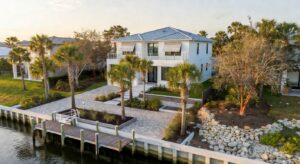
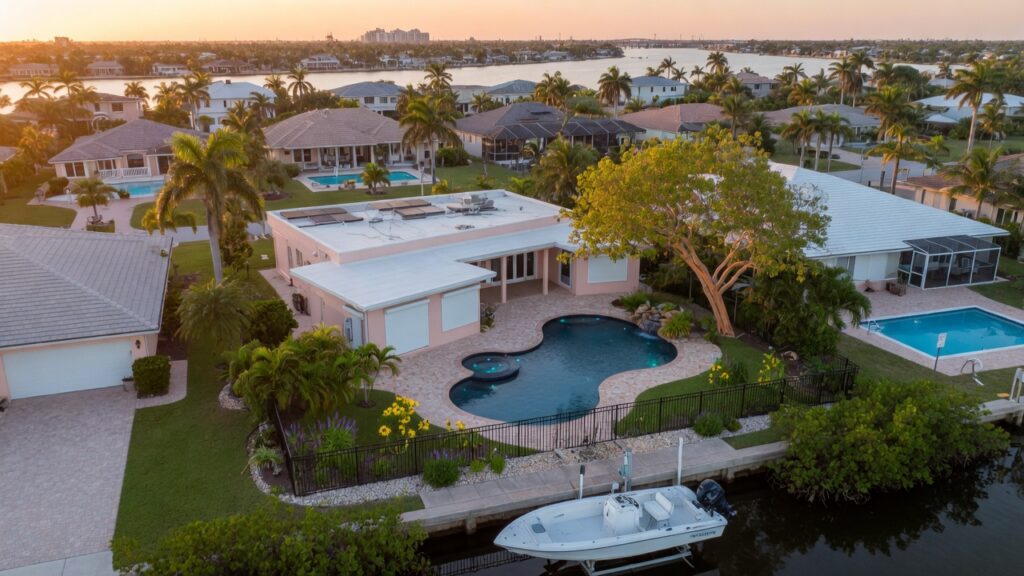
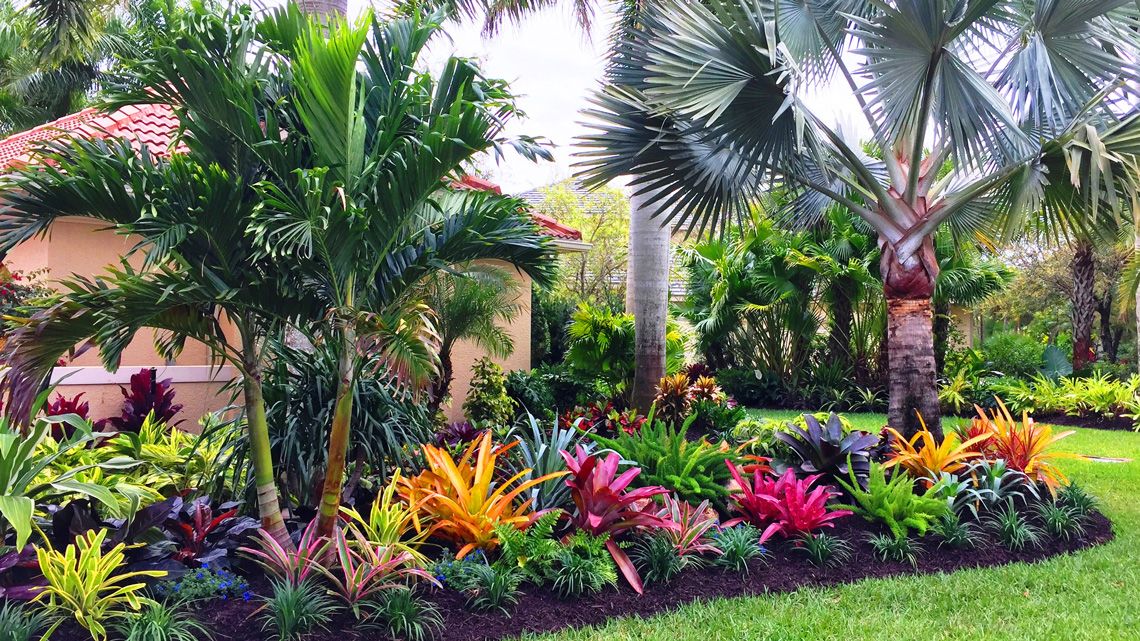
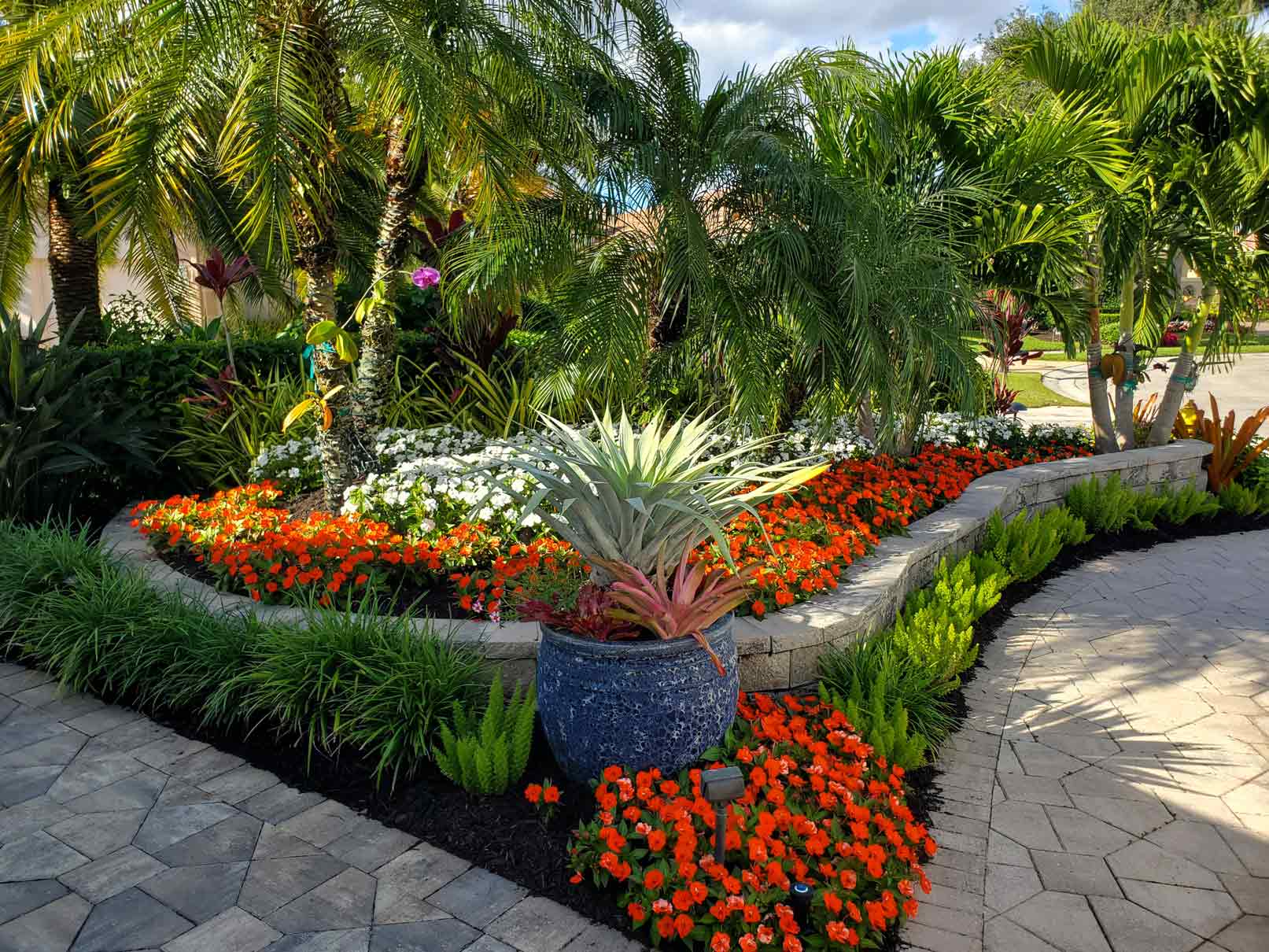
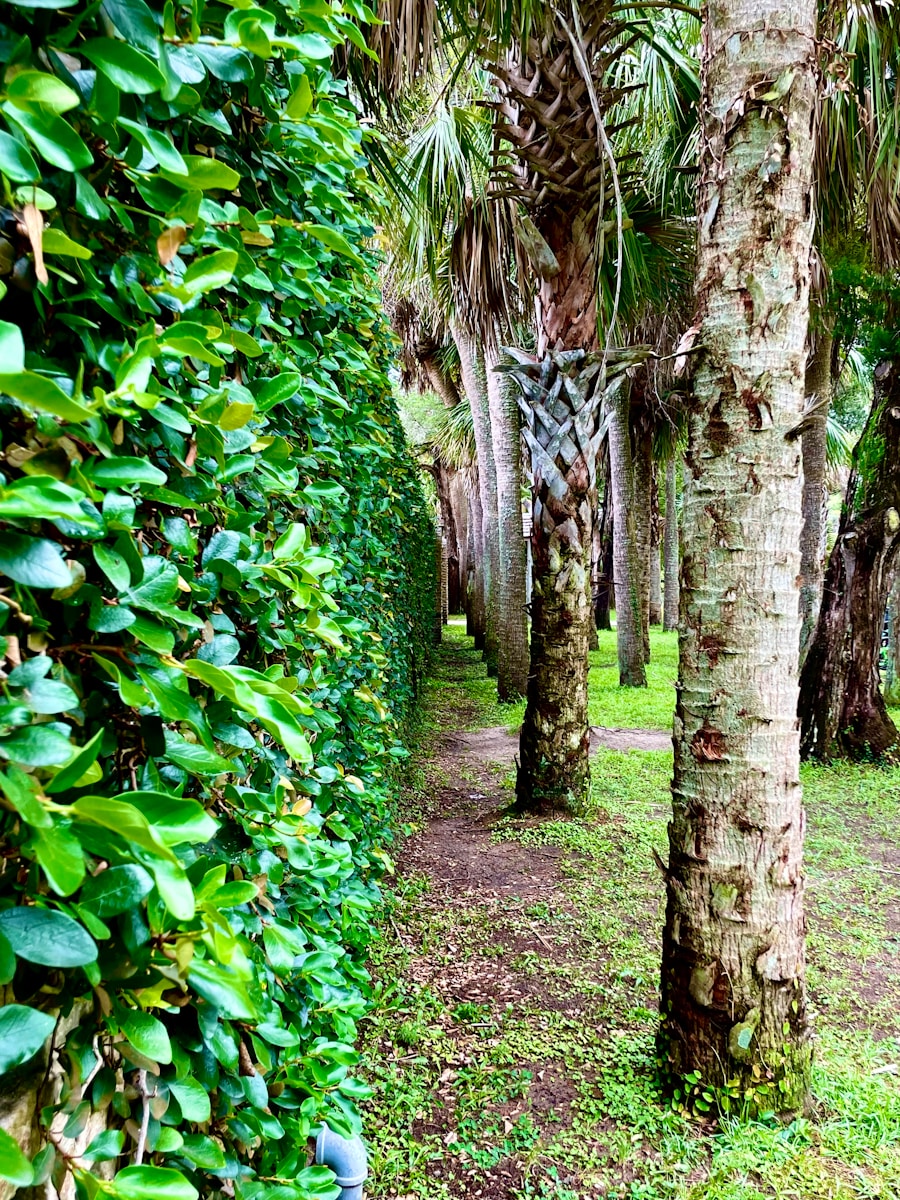
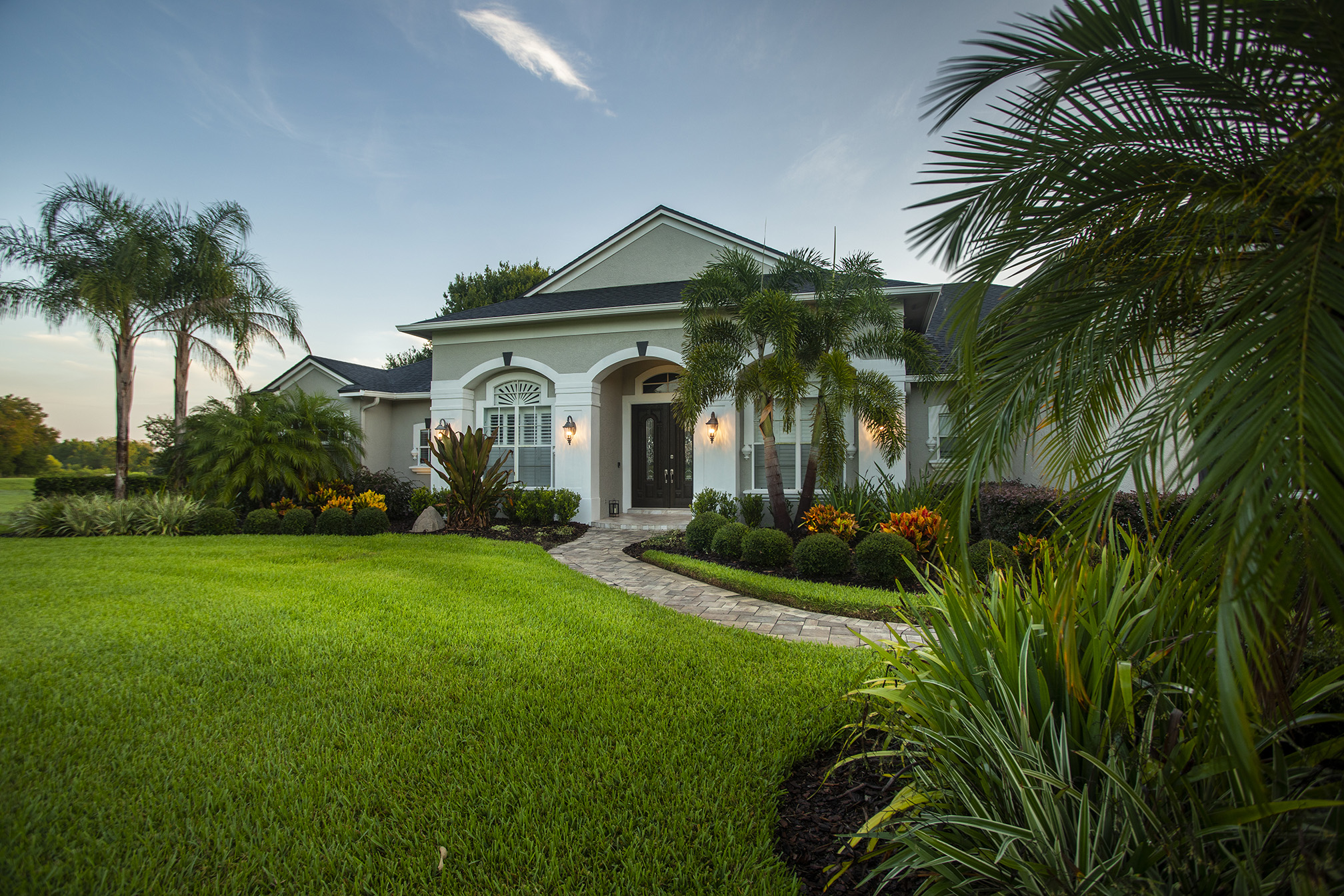
Image Grid 1





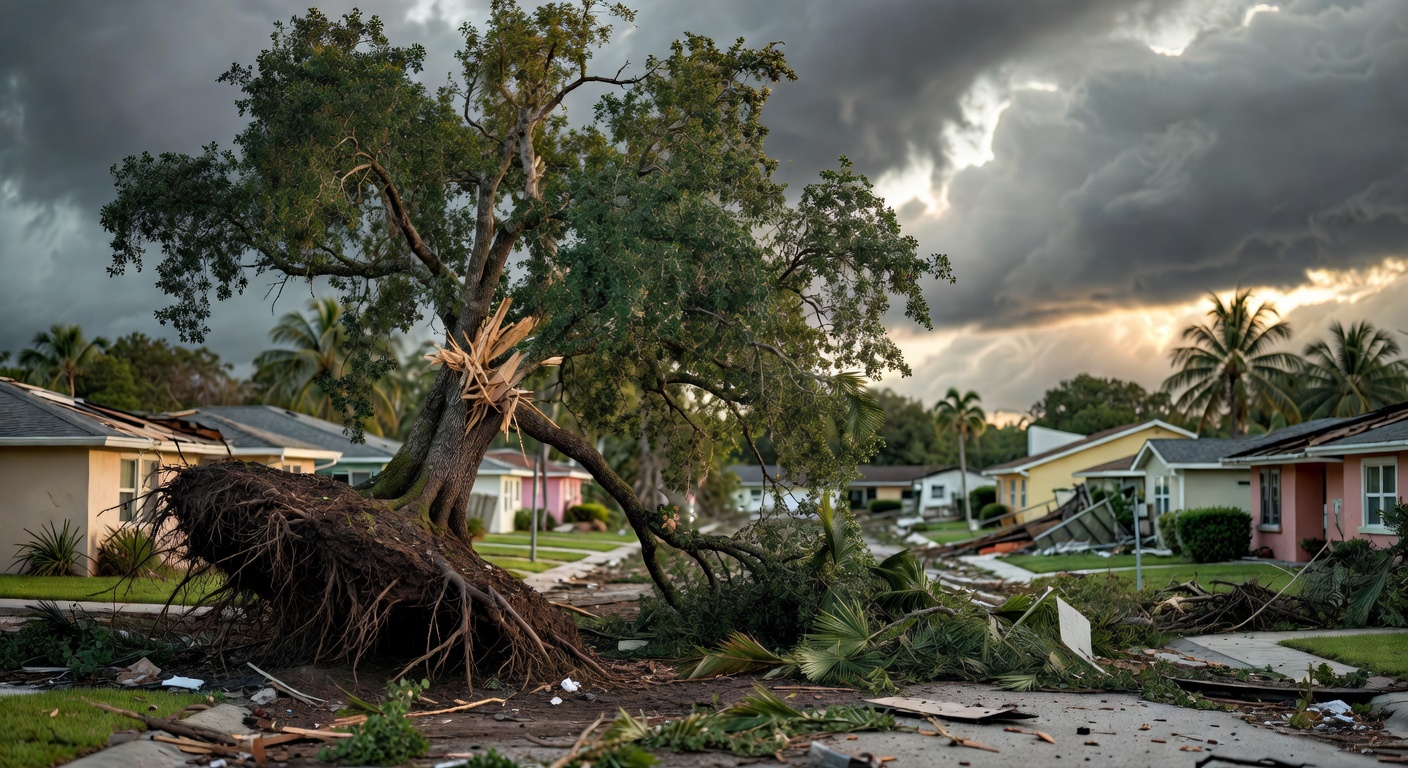

In 2025, the focus is shifting toward climate-smart designs that reduce maintenance costs, support local ecosystems, and increase property values. Let’s explore the trends defining the future of outdoor living in Southwest Florida.
Top Cape Coral Landscaping Trends for 2025
1. Climate-Resilient and Drought-Tolerant Landscapes
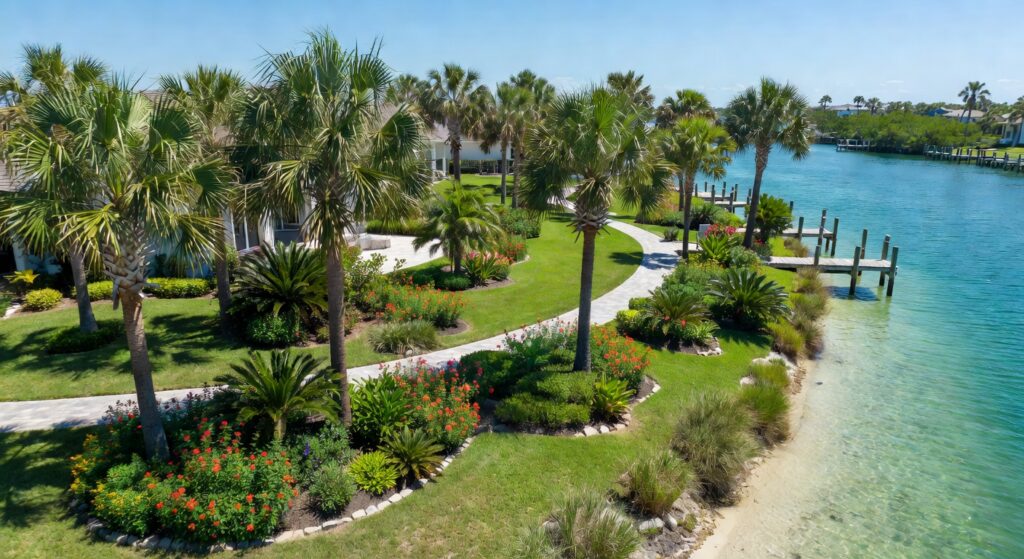
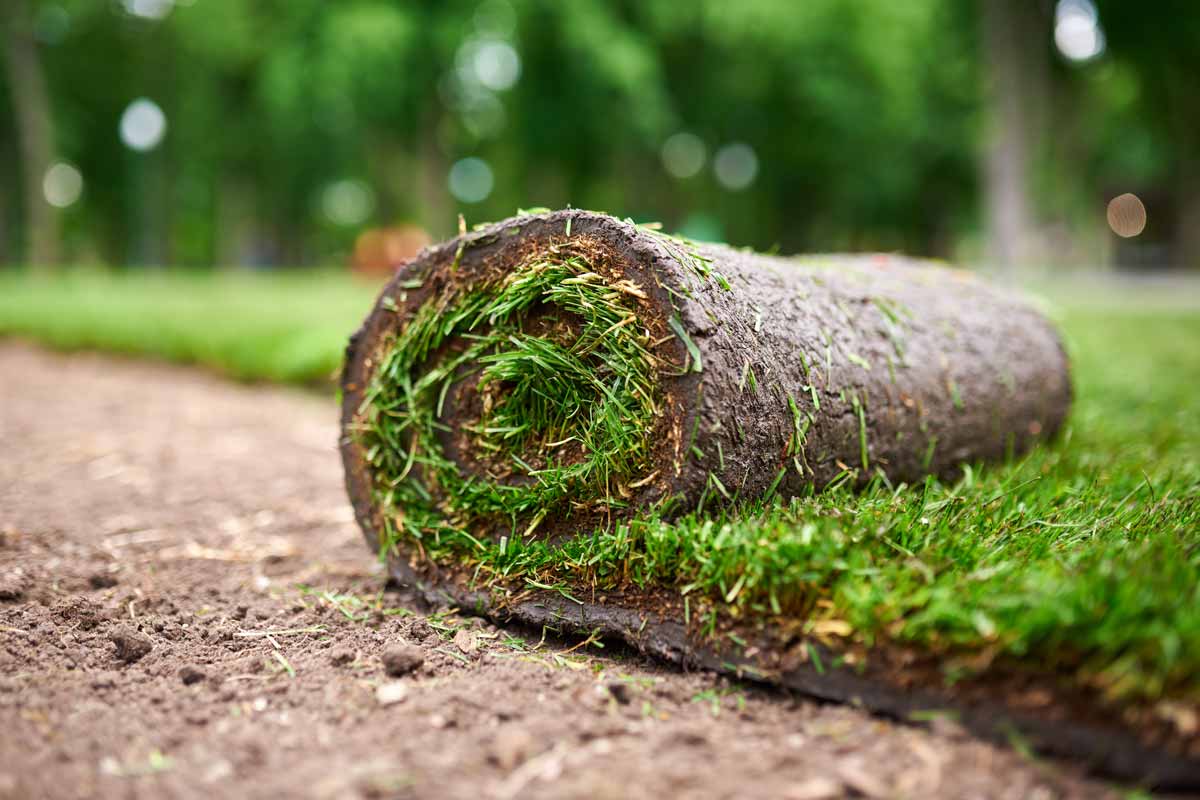
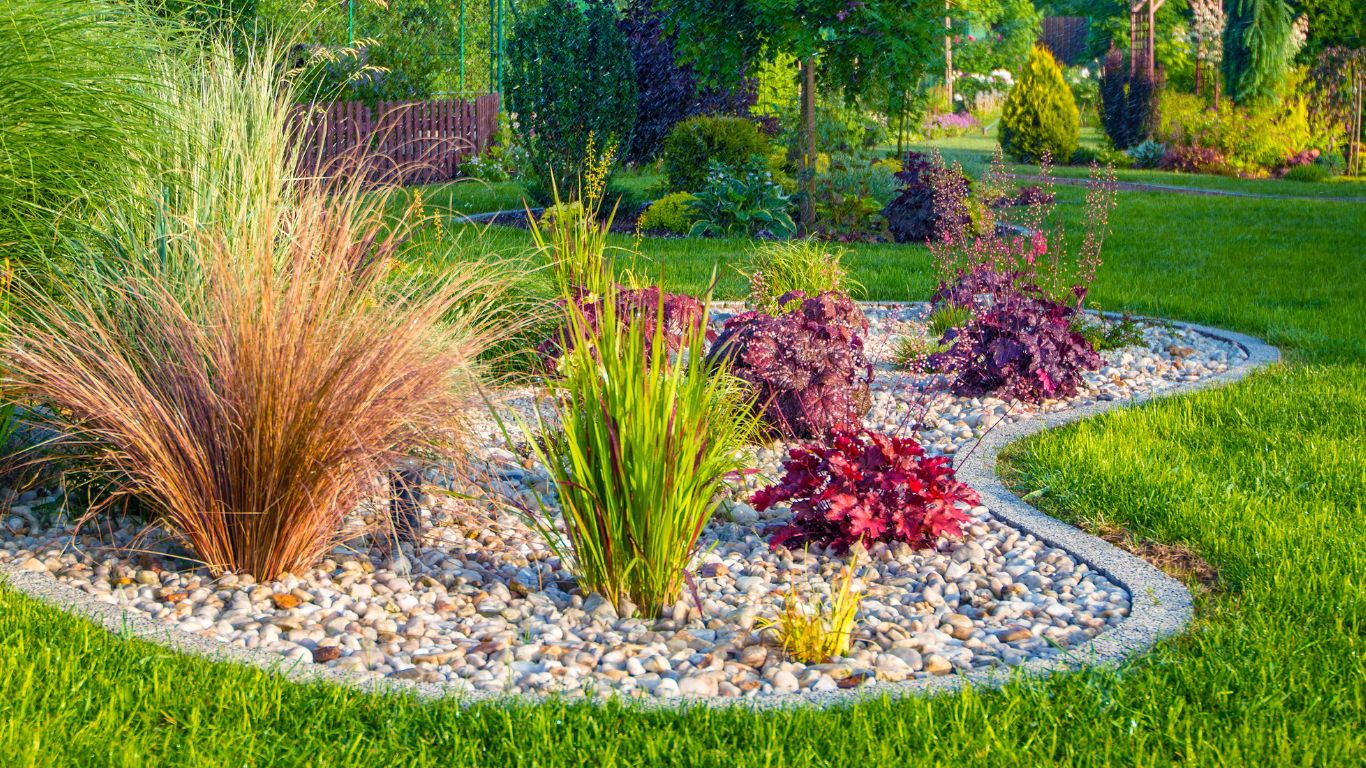
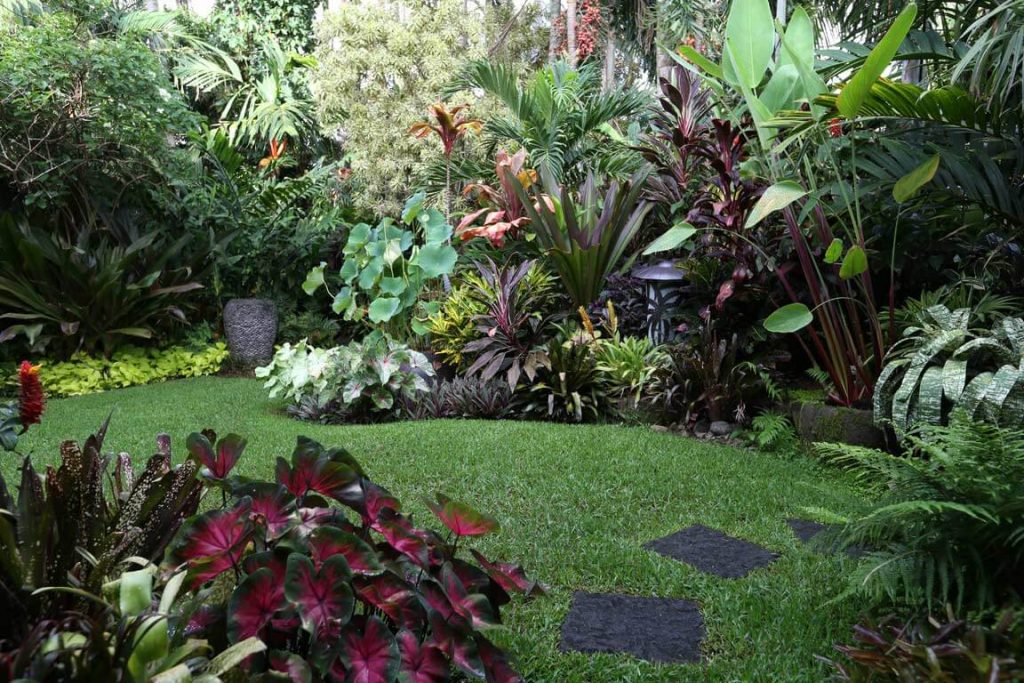
With water restrictions becoming more common, xeriscaping and Florida-friendly landscaping are no longer optional—they’re essential. Homeowners are replacing thirsty turf grass with native groundcovers, ornamental grasses, and strategic rock gardens.
Popular 2025 plant choices for Cape Coral include:
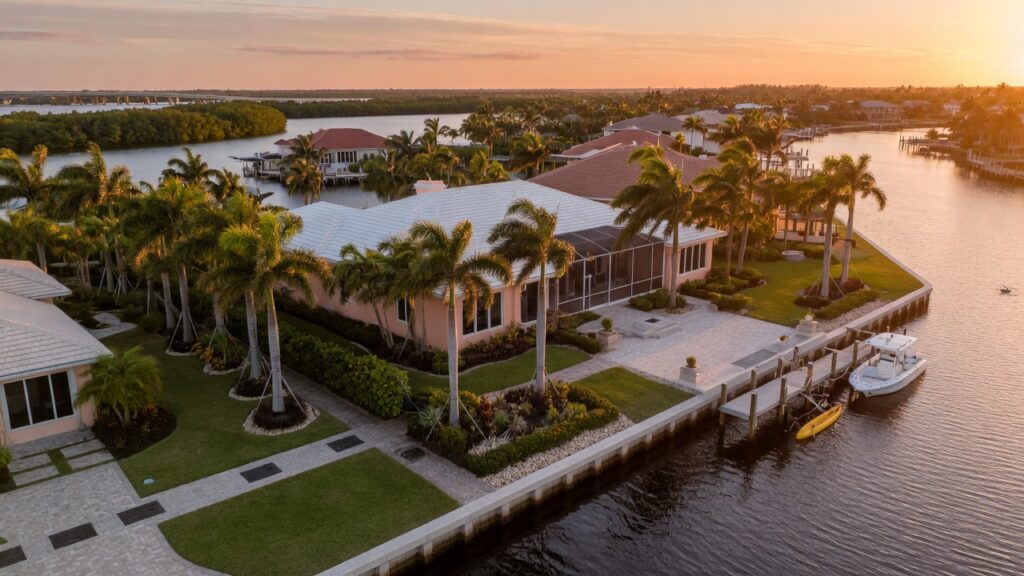
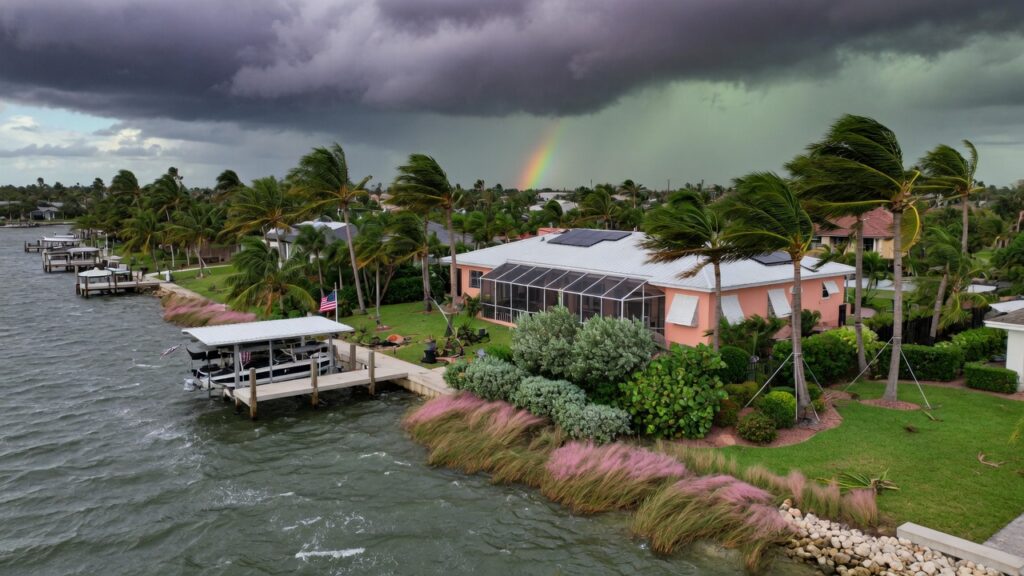
Image Grid 2
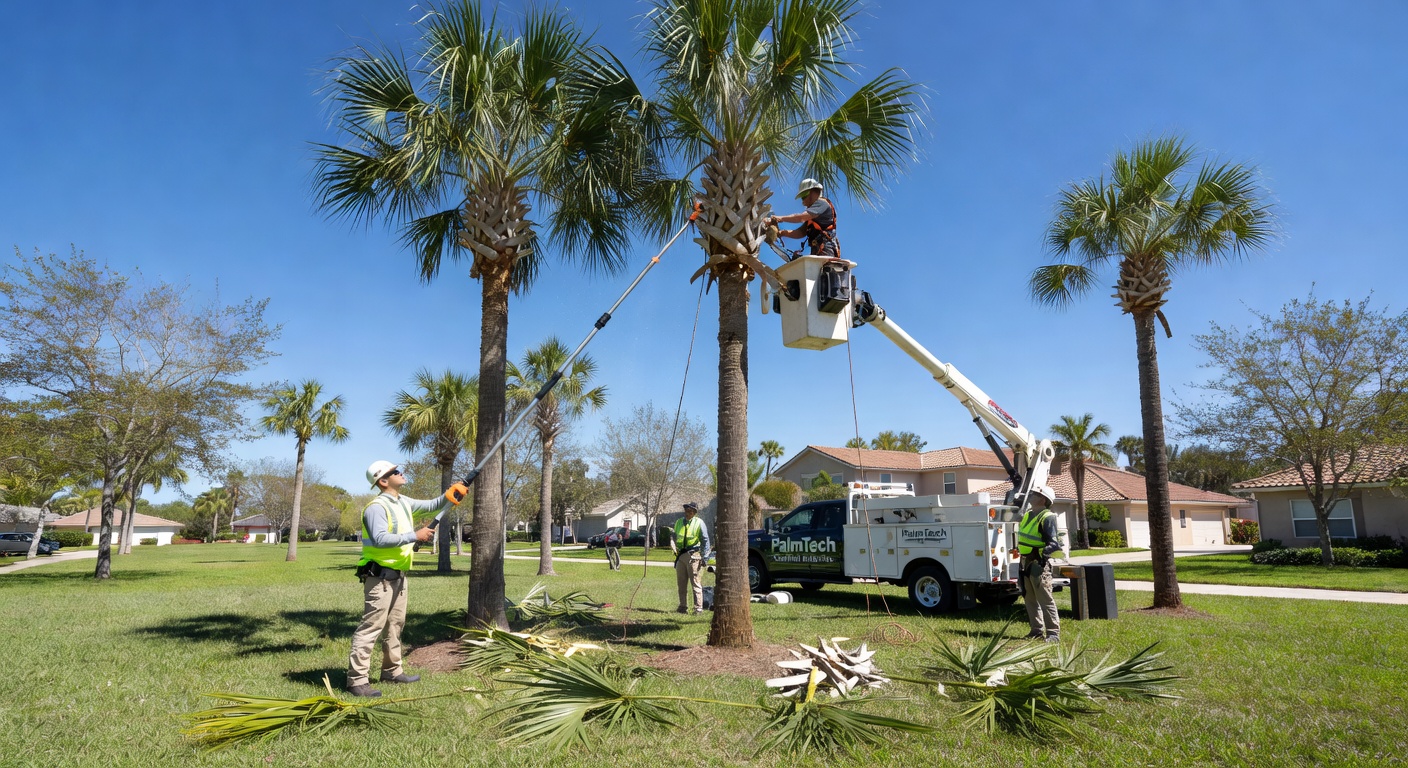

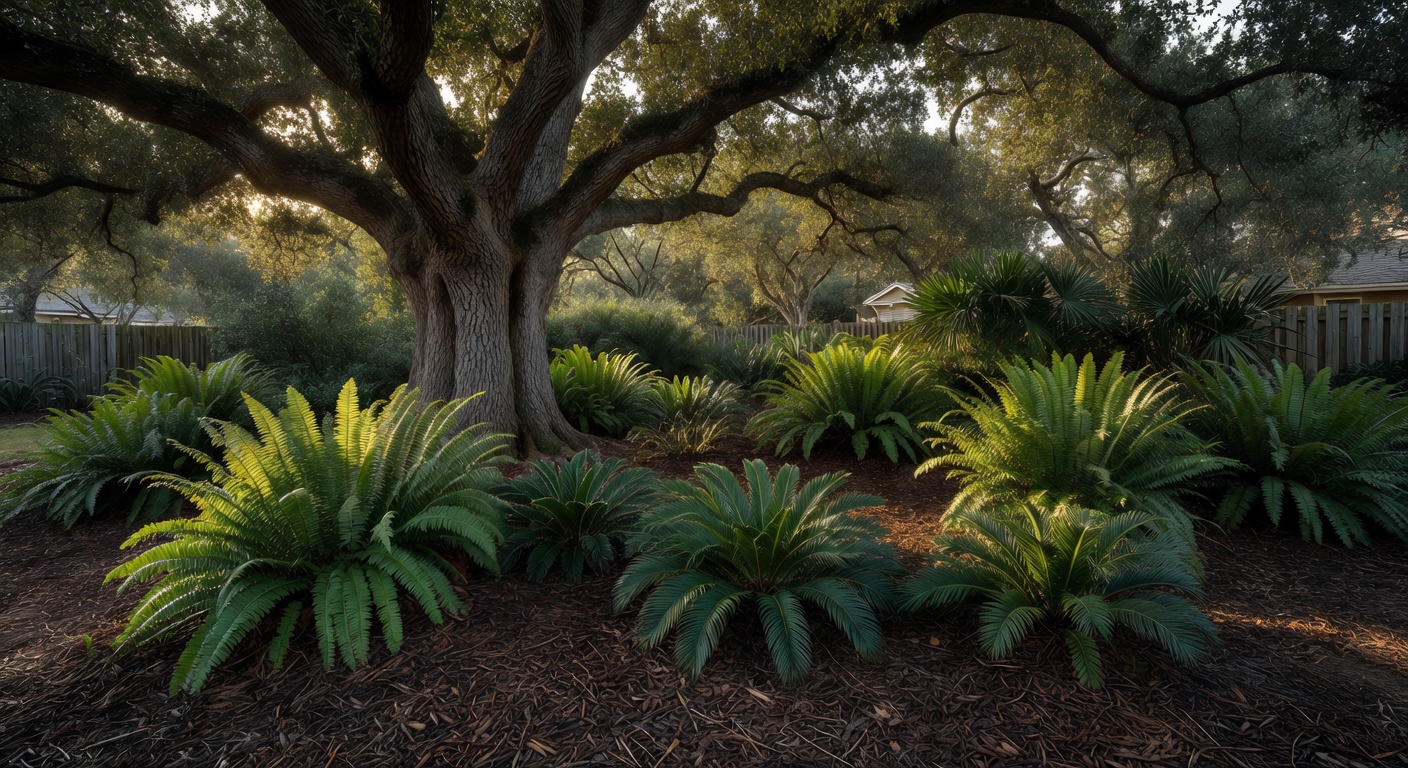
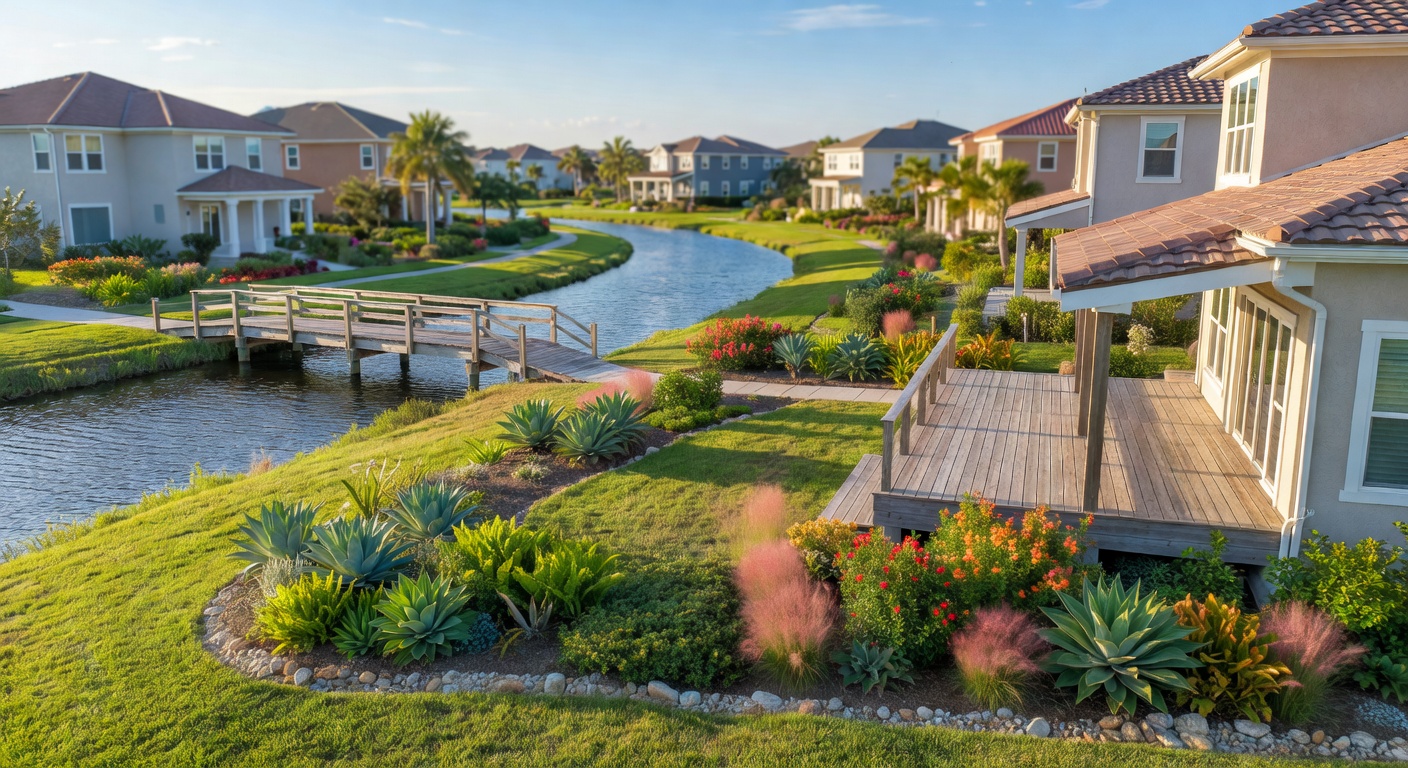


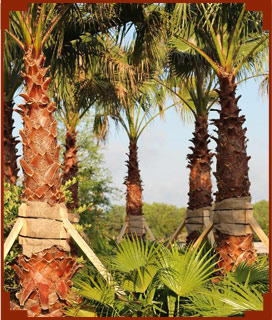
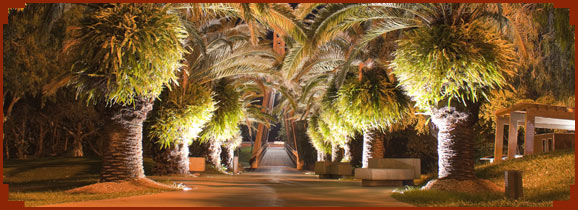
- Coontie palms and Sabal palms
- Simpson’s Stopper and Firebush for privacy screening
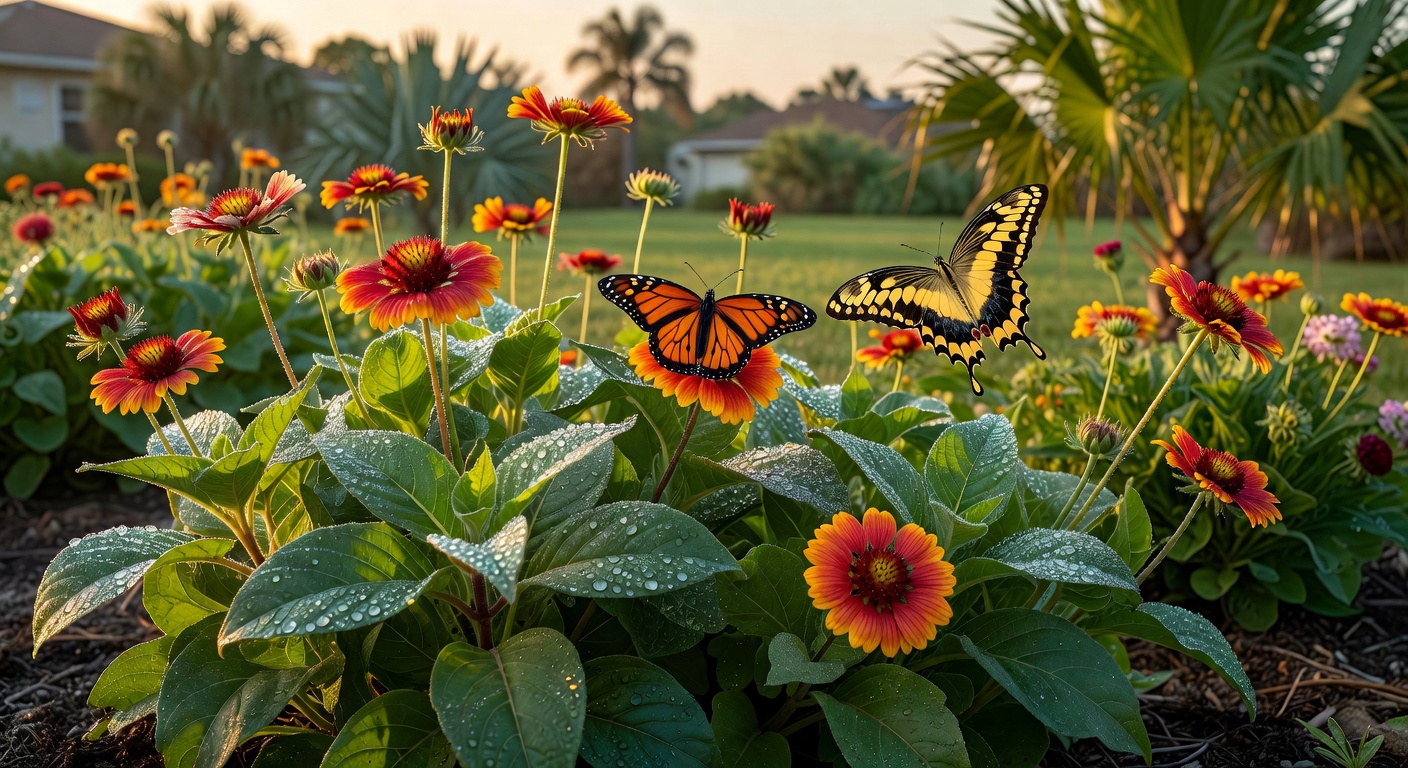
- Coreopsis, Gaillardia, and Beach Sunflower for color
- Sea Grape and Silver Buttonwood for salt tolerance
- Native ferns and muhly grass for texture
2. Modern Coastal Contemporary Design
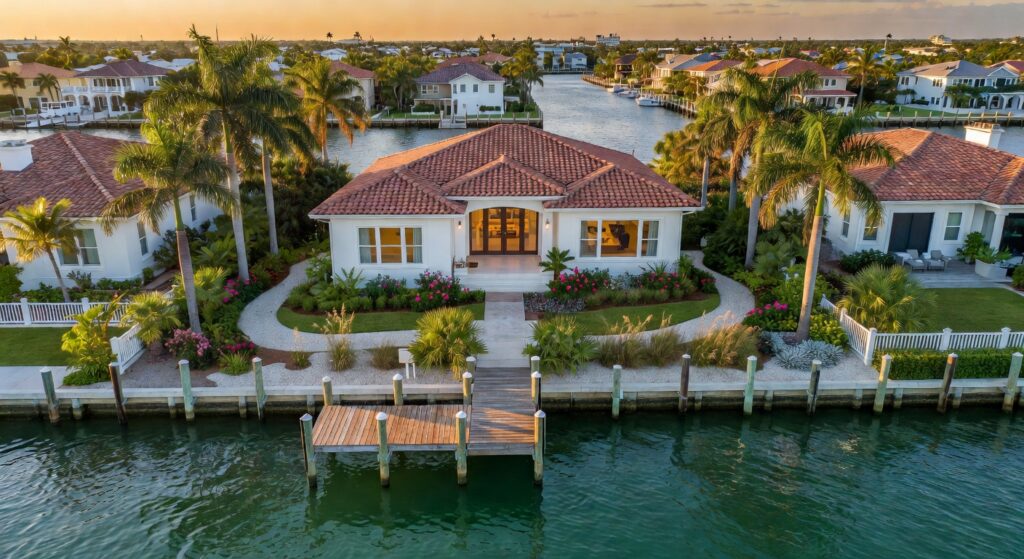
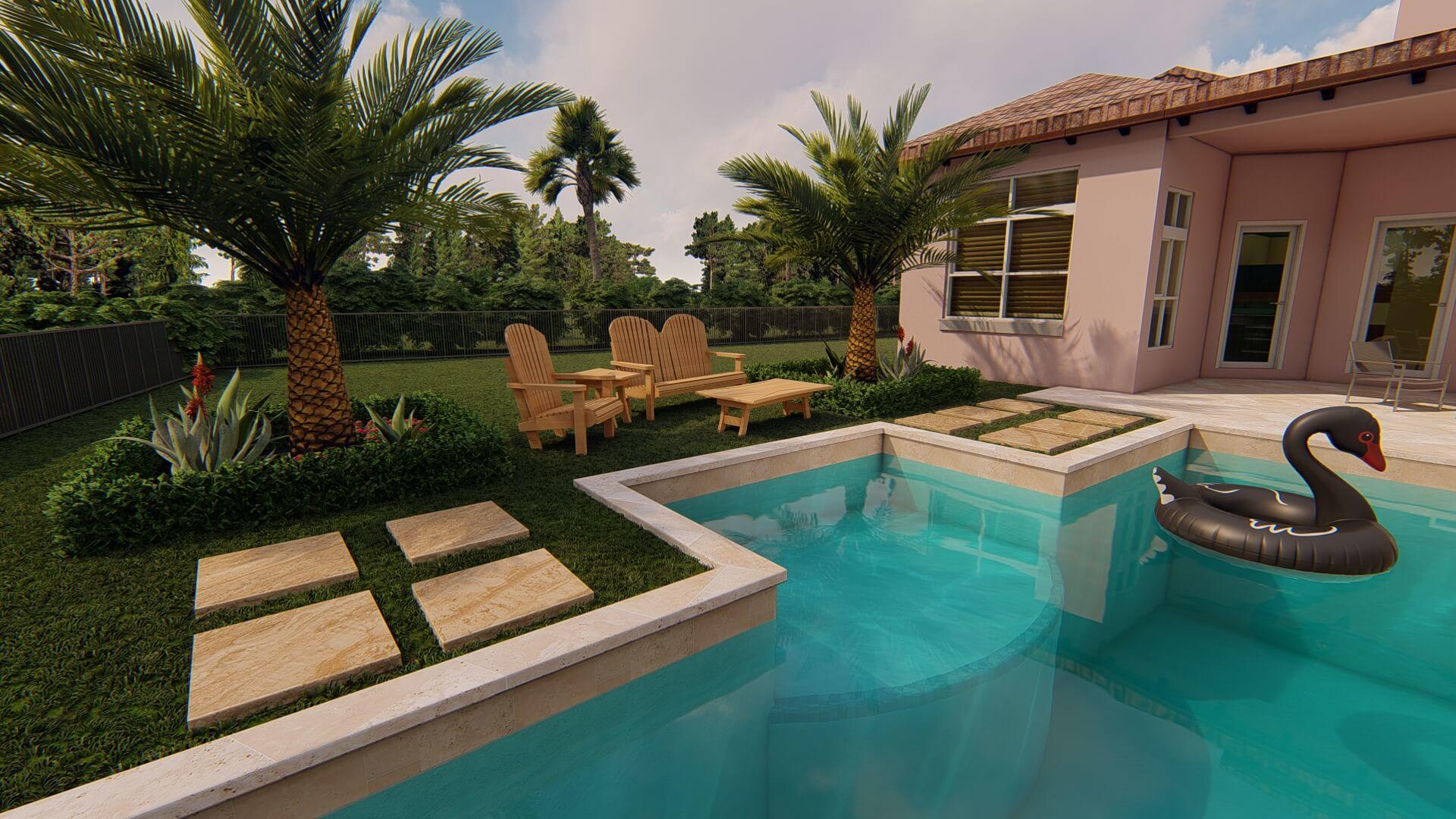
The clean lines of contemporary design paired with organic coastal elements define the latest aesthetic. Think sleek geometric hardscaping, elevated planters, and a carefully curated color palette of soft blues, sandy beiges, and deep greens.
3. Smart Irrigation and Technology Integration
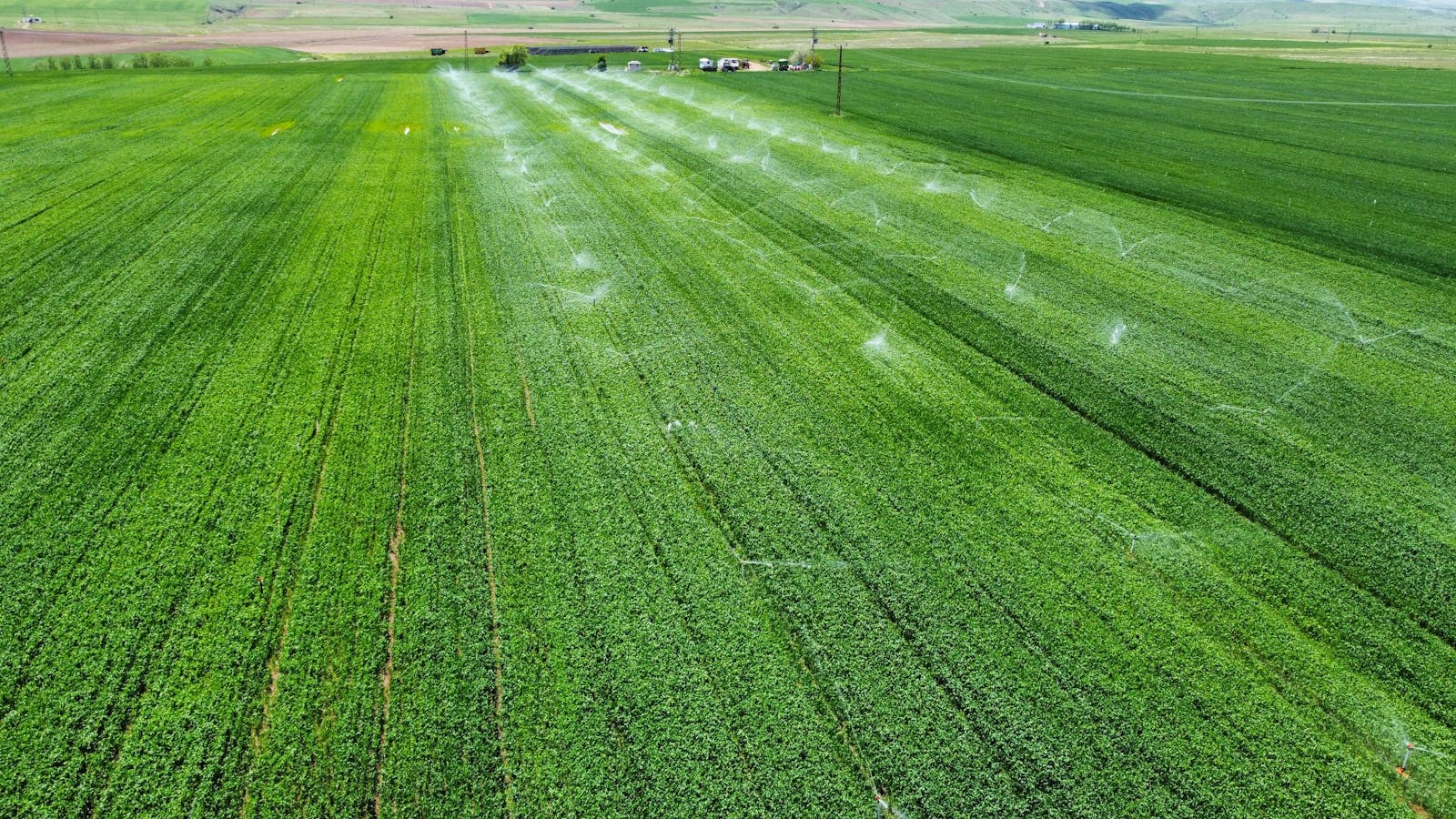
Technology is transforming how Cape Coral residents manage their landscapes. Smart controllers that adjust watering based on real-time weather data, soil moisture sensors, and even drone-based landscape monitoring are becoming mainstream.
4. Pollinator Gardens and Biodiversity
With growing environmental awareness, many homeowners are creating dedicated spaces that support bees, butterflies, and birds. These gardens not only look beautiful but contribute to the health of Southwest Florida’s ecosystem.
Hardscaping Choices That Perform in Southwest Florida
Hardscaping has become a cornerstone of low-maintenance, high-impact Cape Coral landscaping. Here are the most popular options for 2025:
Pervious Pavers and Permeable Surfaces
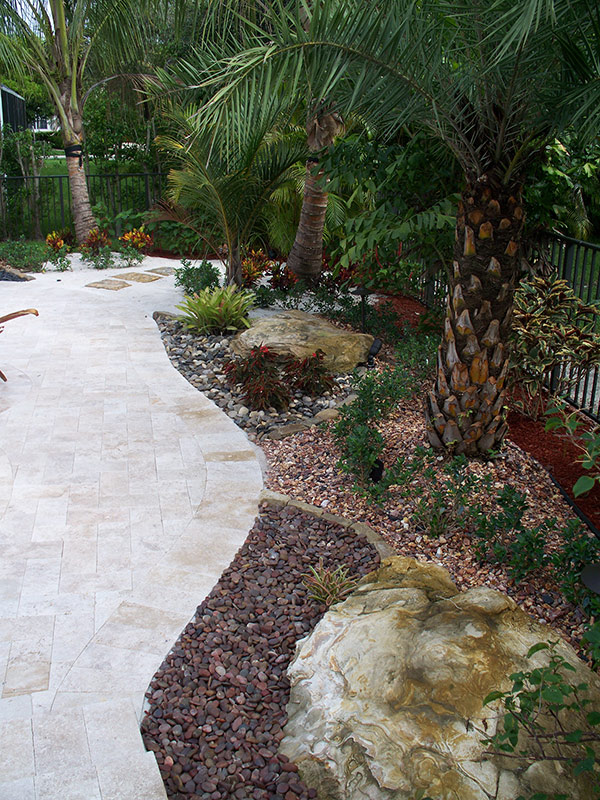
With increasing concern about stormwater runoff and flooding, permeable pavers are an excellent choice. They allow water to seep through into the ground while providing a durable surface for patios, driveways, and walkways.
Travertine and Limestone
These natural stones complement Cape Coral’s coastal environment beautifully. Their light colors help reflect heat, keeping outdoor living areas cooler during the hot summer months.
Composite Decking and Modern Pergolas
High-quality composite materials that resist mold, mildew, and fading are replacing traditional wood. Aluminum and vinyl pergolas with adjustable louvers offer both shade and protection from sudden rainstorms.
Outdoor Kitchens and Living Rooms
Extended outdoor living spaces with fully equipped kitchens, fire pits, and weather-resistant furniture have become standard rather than luxury features in Cape Coral homes.
Tree Risk Assessment: Protecting Your Property and Community
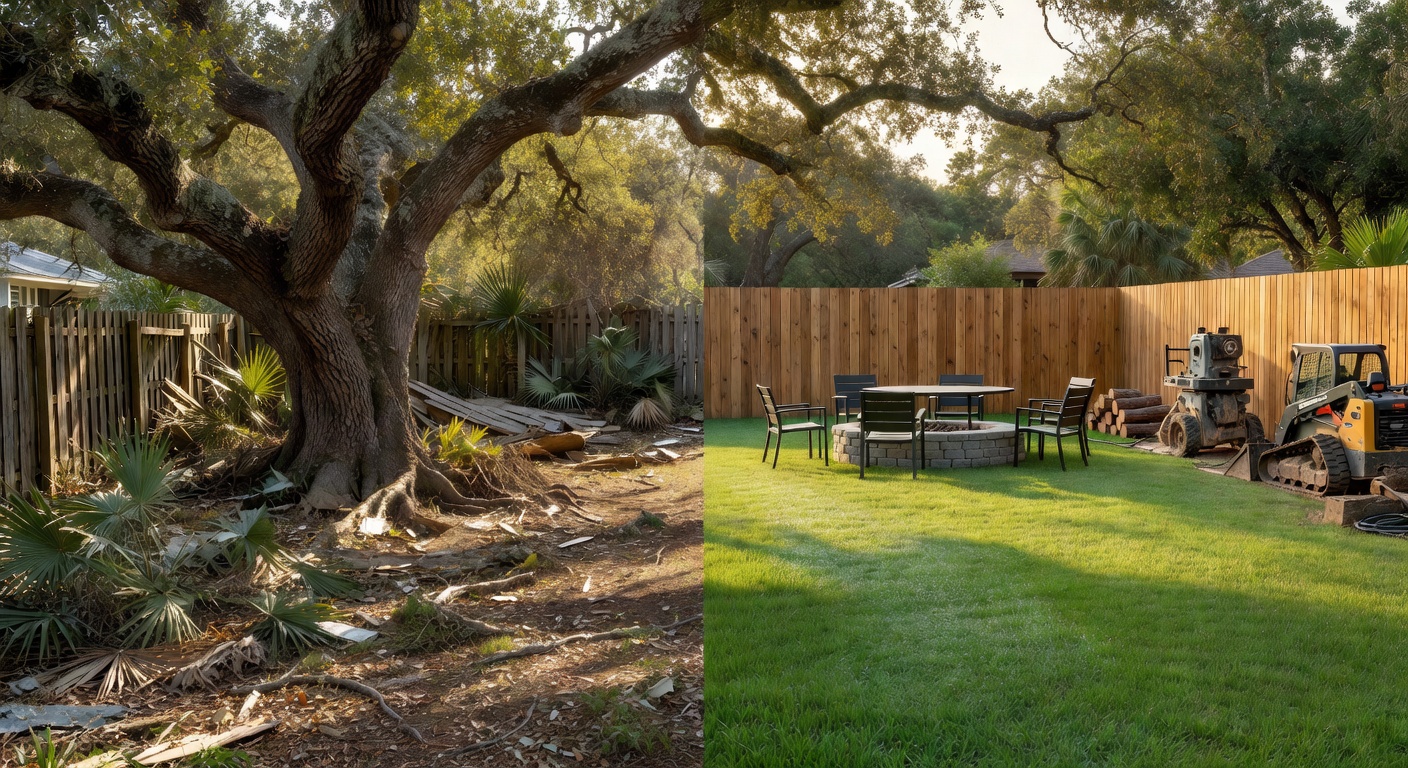
With hurricane season a yearly reality, understanding the health and stability of your trees is critical. Professional tree risk assessment goes far beyond visual inspection.
When to Consider Tree Removal in Cape Coral
Not every tree that looks concerning needs to be removed. However, certain conditions warrant immediate professional attention:
- Leaning more than 10-15 degrees from vertical
- Multiple codominant stems with included bark
- Visible root decay or heaving soil around the base
- Significant canopy dieback (more than 30%)
- History of storm damage or lightning strikes
- Trees positioned too close to structures
The Professional Tree Risk Assessment Process
Certified arborists use several tools and methods to evaluate tree safety:
- Visual Tree Assessment (VTA) – Looking for defects from the ground
- Resistograph testing – Measuring wood density and decay
- Tomography – Creating 3D images of internal tree conditions
- Root mapping – Understanding root system health and extent
Always hire an ISA Certified Arborist with experience in Southwest Florida’s unique growing conditions when assessing large trees, especially those near homes or power lines.
Best Trees for Cape Coral Landscapes
Choosing the right trees is essential for long-term success. The following species perform particularly well in the Cape Coral area:
- Live Oak – Majestic and storm-resistant when properly maintained
- Sabal Palm – Florida’s state tree, highly salt and wind tolerant
- Gumbo Limbo – Fast-growing with beautiful peeling bark
- Black Olive – Excellent screening tree with dense foliage
- Buttonwood – Extremely salt tolerant with attractive silver varieties
Seasonal Landscape Maintenance Calendar for Cape Coral
January – March (Dry Season)
- Perform major tree pruning before spring growth
- Apply pre-emergent herbicides to prevent weeds
- Service irrigation systems and check for leaks
- Plant new trees and shrubs while weather remains cool
April – June (Transition to Wet Season)
- Fertilize palms with appropriate 8-2-12 or 8-4-12 formula
- Monitor for lawn diseases as humidity increases
- Trim back overgrown vegetation before summer storms
- Deep root fertilize large specimen trees
July – September (Peak Hurricane Season)
- Keep trees properly pruned and remove dead wood
- Secure loose landscape items before storms
- Reduce irrigation as rainfall increases
- Monitor for fungal issues during prolonged wet periods
October – December (Recovery and Preparation)
- Evaluate landscape after hurricane season
- Schedule major hardscaping projects
- Install new plants during cooler weather
- Apply balanced fertilizer to prepare for winter
Sustainable Landscaping Practices for Southwest Florida
Beyond plant selection, true sustainability involves several key practices:
- Using Florida-friendly landscaping principles approved by UF/IFAS
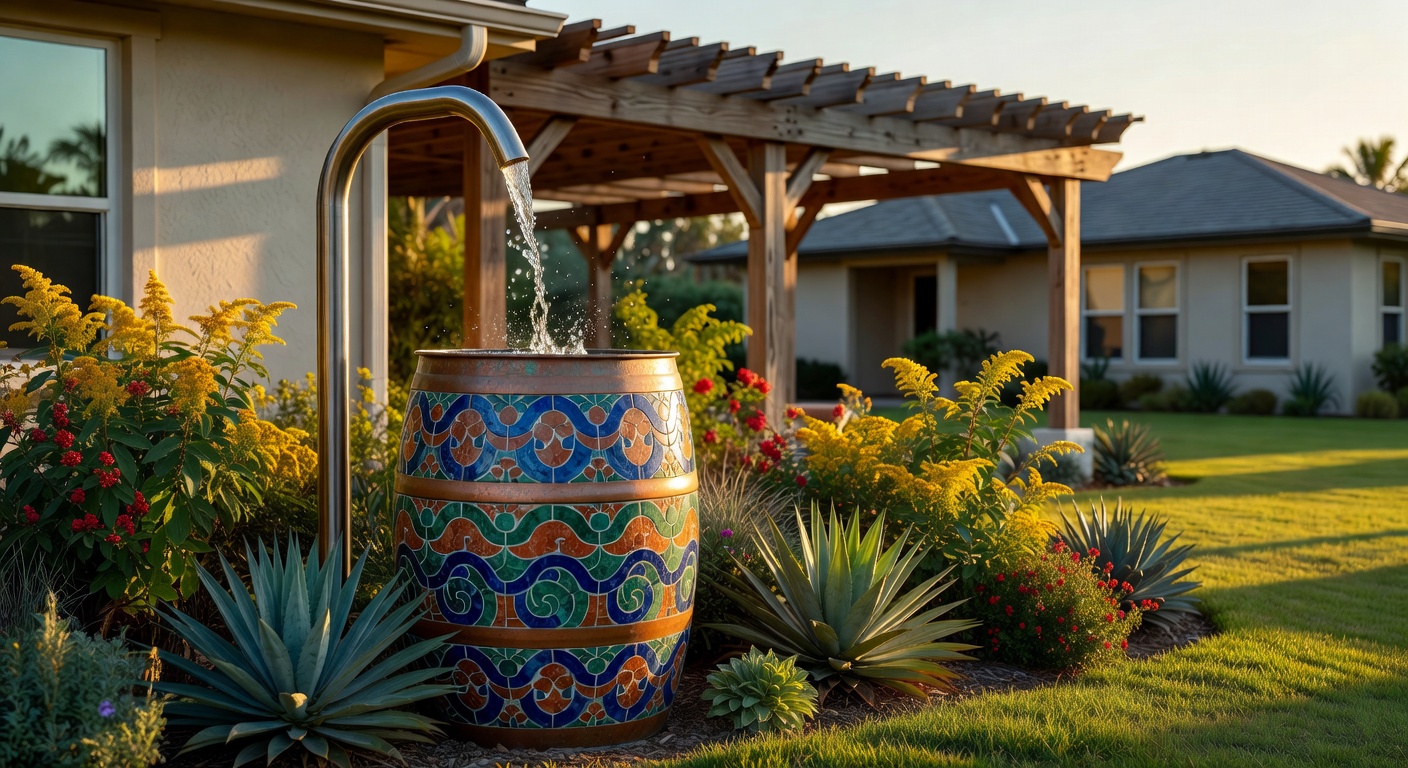
- Implementing rainwater harvesting systems
- Creating layered plant communities that mimic natural ecosystems
- Reducing chemical inputs through integrated pest management
- Building healthy soil through regular application of organic matter
Working with Professional Landscapers in Cape Coral
While DIY landscaping is popular, the complexity of Southwest Florida’s environment often makes professional guidance valuable. Look for landscapers who understand local conditions, hold proper certifications, and can provide references from similar properties in Cape Coral and Fort Myers.
Professional services should include not just installation but ongoing maintenance programs tailored to your specific landscape goals and property conditions.
Conclusion: Creating Your Perfect Cape Coral Landscape
The most successful landscapes in Cape Coral balance beauty, functionality, and environmental responsibility. By embracing 2025’s design trends, making smart hardscaping choices, understanding proper tree care and removal when necessary, and following a consistent maintenance schedule, you can create an outdoor space that enhances your property value while supporting the unique ecosystem of Southwest Florida.
Whether you’re starting from scratch or refreshing an existing landscape, thoughtful planning and expert execution will ensure your yard remains beautiful through every season and weather challenge the coming years may bring.
Ready to transform your Cape Coral property? Working with experienced local professionals who understand both current design trends and the practical realities of our subtropical climate is the best way to achieve outstanding, lasting results.